

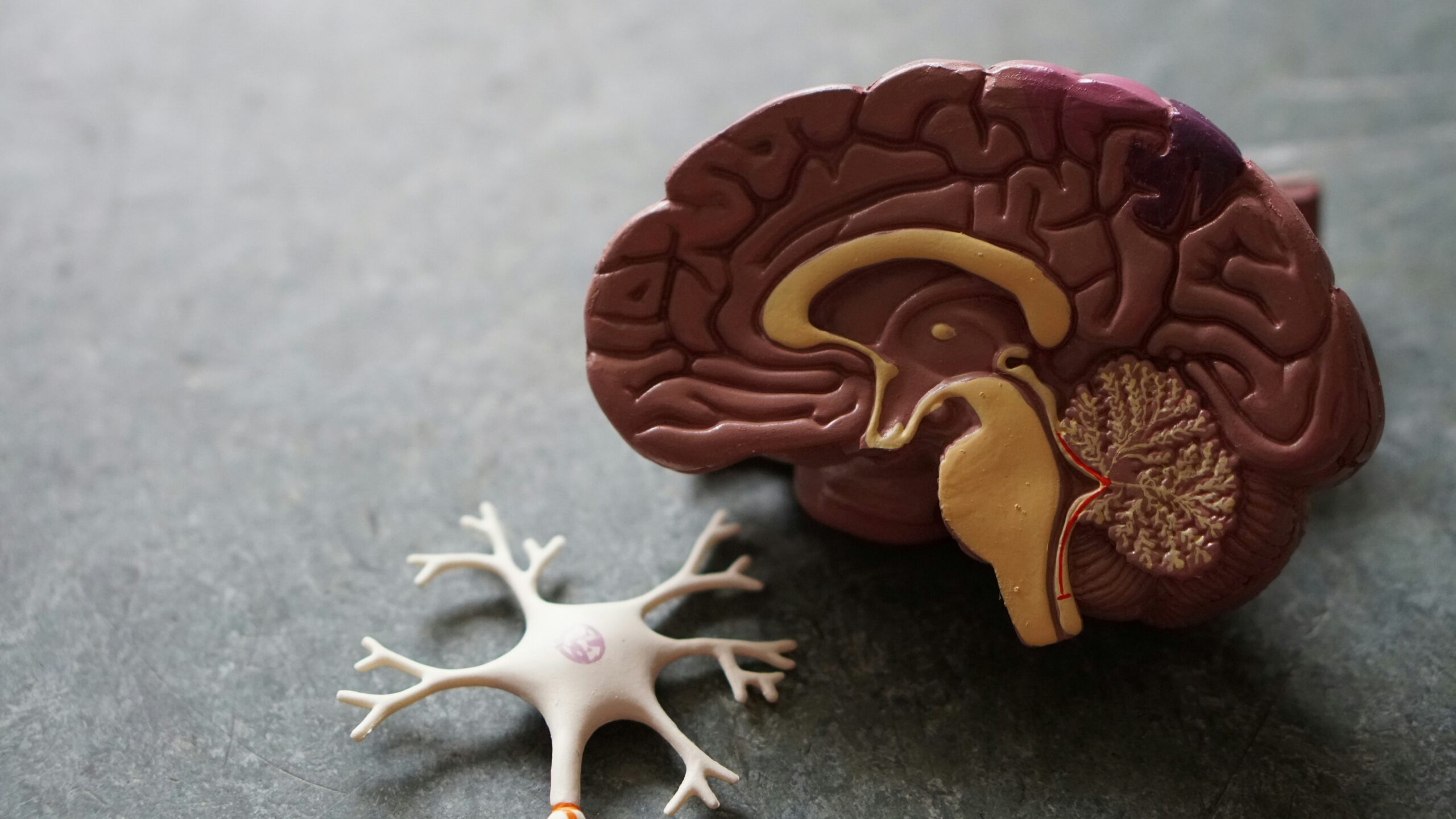
Traumatic Brain Injury
Traumatic brain injury (TBI) can be caused by a blow to the head or an object that travels into the brain, such as a bullet or shattered piece of skull. TBI can be mild and only cause symptoms temporarily, or it can be severe and cause long-term health complications. It can cause a broad range of both physical and psychological symptoms, including:
- headache
- fatigue
- problems with speech
- dizziness
- memory problems
- mood swings or other unusual behavior
- depression
Traumatic brain injury is considered a hidden disability because individuals may look “healthy” from the outside but still have extreme difficulty with tasks of daily life.
Tips for Caring for those with TBI
For Congregations
- Church participants with TBI benefit from a quiet environment. Large crowds, loud music, and bright lights can cause an increase in symptoms. Having a sensory room available can help individuals with TBI take a break when church becomes overwhelming.
- Ask worship leaders to speak slowly to give congregants time to process what is being said. This is helpful for everyone, not just those with TBI.
- Consider establishing a support group for caregivers of individuals with TBI and other types of caregivers where they can share about the challenges of fulltime caregiving.
- Stream your service online to allow participants to attend church from their home or rehab facility when they are unable to be at church in person.
For Individuals
- When interacting with someone who has TBI, speak slowly and clearly so they have time to process what you are saying.
- Offer to run errands or bring groceries.
- Offer to provide respite care for an afternoon so the caregiver can take a break or get other needed work done.