

Hidden Disabilities and Chronic Illnesses
Hidden disabilities and chronic illnesses are conditions that limit a person’s ability to move through life in the way society expects, despite the lack of physical signs of a disability. People with hidden disabilities may experience chronic fatigue, brain fog, intense pain, digestive problems, weakness, dizziness, and other unobservable symptoms. Low vision, hearing loss, and mental illness can also be invisible disabilities.
Life with a chronic illness includes ebbs and flows of pain and flare-ups. During some periods, someone with a chronic illness can pack their days with work, hobbies, sports, and church activities. In other periods, a person may need to limit their commitments to part-time employment and one or two other responsibilities. In times of intense flare-ups, someone with a chronic illness may be faced with a difficult choice of prioritizing their job, family, or church commitments due to severely limited energy and increased pain.
Faith communities can support those with chronic illness by bearing witness to the pain, extending grace when flare-ups occur, and accommodating needs as they arise. Additionally, congregations can acknowledge the extra energy and resilience required to navigate the world with unrecognized disabilities by routinely asking what care they can give to those in their congregation with chronic illness.
Tips for including people with chronic illness and hidden disabilities
- Stream your service online, so those unable to attend in person due to illness are still able to participate
- Emphasize the practice of Sabbath. Regular rest is part of God’s desire for our flourishing. When we create a culture in church that values rest and rather than simply productivity, we provide a place of welcome for those who need rest.
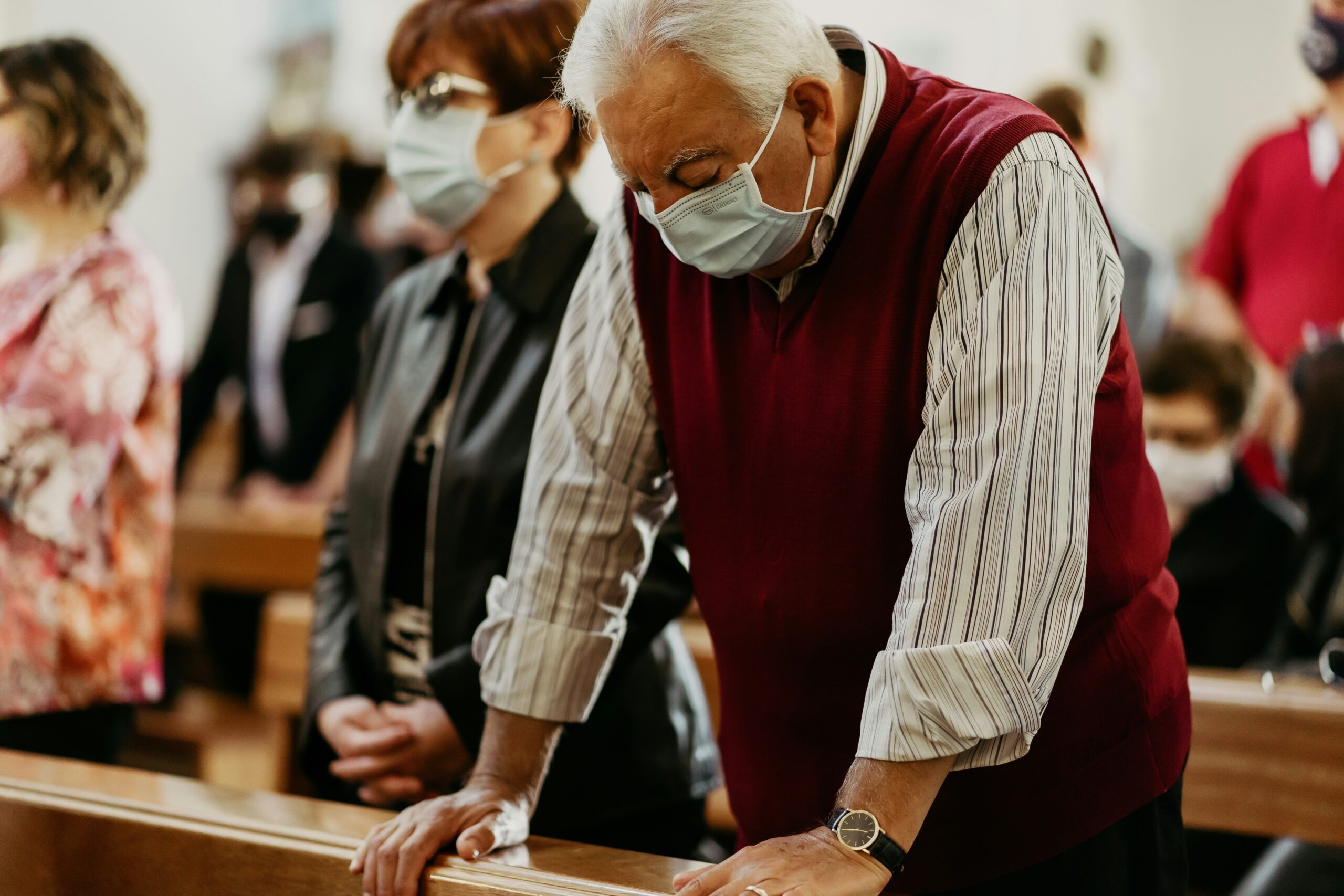
- Create a mask-friendly culture. Many people with chronic illness are immunocompromised, and so wearing a mask in seasons when disease transmission is high is important for them to be part of the community. Let congregants know that anyone is welcome to wear a mask without fear of judgment. Consider creating a masks-only space in your sanctuary for those who are immune-compromised.
Resources
- Autoimmune Conditions
- Long Covid
- Multiple Chemical Sensitivities
- Myalgic Encephalitis
- Traumatic Brain Injury
- Gathering Amidst Viruses This guide for gathering during flu and Covid-19 season centers the experience of people with weakened immune systems when discerning church policies.
Resources from Others
Recommended Reading:
- Dancing with Elephants, Jarem Sawatsky
- Being Well When We’re Ill, Marva J. Dawn
- The Wisdom of the Body, Christine Valters Paintner
- Everything Happens for a Reason, Kate Bowler
- No Cure for Being Human, Kate Bowler
Your Stories
-

Come As You Are
Camp KIND demonstrated the beauty of community by calling out each other’s gifts, gently loving people’s weaknesses, and fostering feelings of belonging and unity among participants and staff alike.
-

Come as You Are? Thoughts on Healing
Jasmine Duckworth grapples with the idea of prayer and healing in the context of her chronic illness.
-

Little Deaths: Surrendering to the Life I Have
Reflecting on a chronic illness diagnosis, Laura Stone explores how she learned to surrender to a life she did not expect.