
ADN Statement on Community

On June 18, 2026 the U.S. Department of Justice released an opinion questioning the constitutionality and mandates of the Supreme Court Olmstead decision. The 1999 landmark Supreme Court ruling in Olmstead v. L.C. established that the unjustified segregation and institutionalization of people with disabilities and mental illness is a form of discrimination under the Americans with Disabilities Act (ADA). Since then, millions of people have benefited from its provisions. The resulting policies and shift in funding allocation have allowed them to live with or near family, friends, schools, and community, including their congregations.
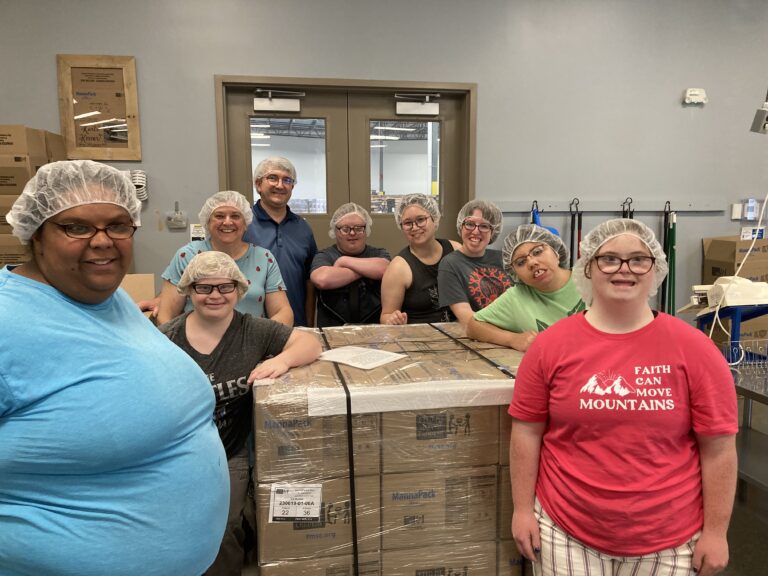
Anabaptist Disabilities Network is deeply troubled by this recently released opinion. Anabaptists have been at the forefront of the reform of housing and support for disabled people and people who experience mental illness since the 1940s. Over time, from institutional reform, to deinstitutionalization, to supported living in community, we have continued to advocate for everyone to live their best possible life. We do not want to go back to a time when people with disabilities and mental illness were forced to live in institutions, isolated and separated from those who love them. Disabled people belong in their homes and in our communities. While we are primarily concerned about the wellbeing of our brothers and sisters, it should be noted that home and community-based services are generally far less expensive than institutional care. We are concerned that the opinion could undermine the policies and funding that have improved the lives of so many people. We stand with other national religious organizations in speaking out for people with disabilities and their families, affirming that disabled people belong in our communities.
We encourage you to put your faith into action in the following ways:
- Contact your lawmakers and let them know the harm to individuals and families that this opinion could cause if it became law.
- Share your concern with individuals and families in your congregation and encourage them to speak out.
- Check in with disabled members of your congregation or families who have a disabled family member to ask them if there is a way that you can be supportive.
- Connect with disability organizations in your community to learn how you can advocate at a local level.
We encourage you to join us as we raise our voices together to advocate that people with disabilities remain in their communities where they belong.