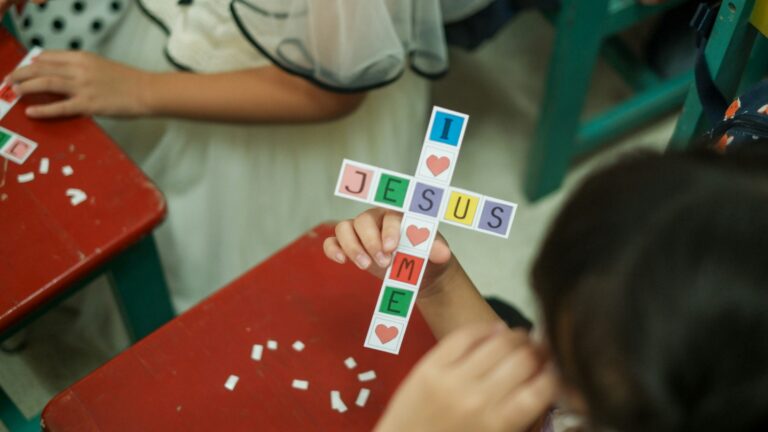
Witnesses in a Wonder-full World
Benjamin Conner shares ideas for how to be a witness for wonder alongside children.
Articles that appear in ADN’s thrice-yearly print newsletter.
Benjamin Conner shares ideas for how to be a witness for wonder alongside children.
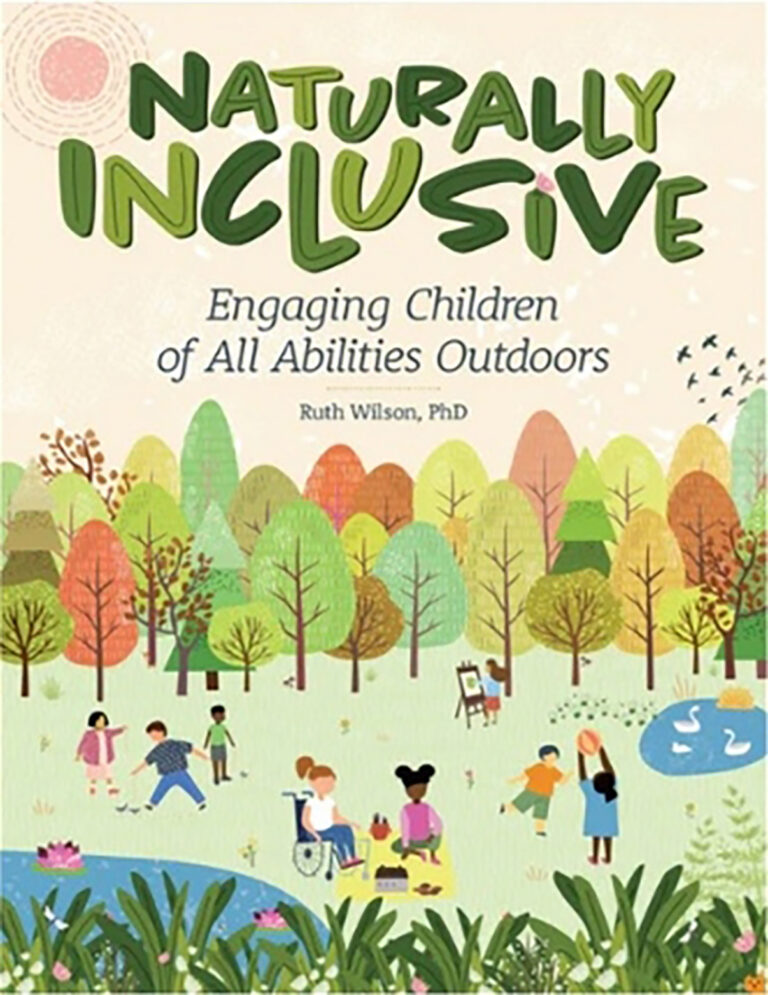
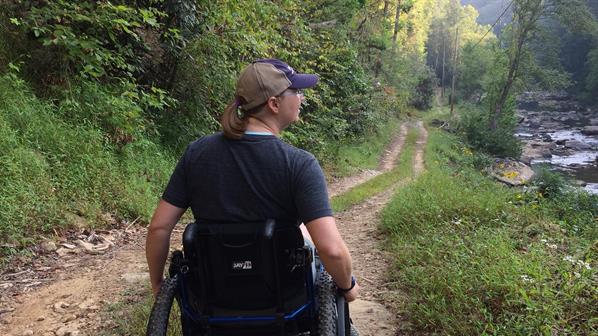
Naturally Inclusive by Ruth Wilson is an excellent resource for parents and educators looking for practical advice on helping young people with disabilities to connect with the natural world.
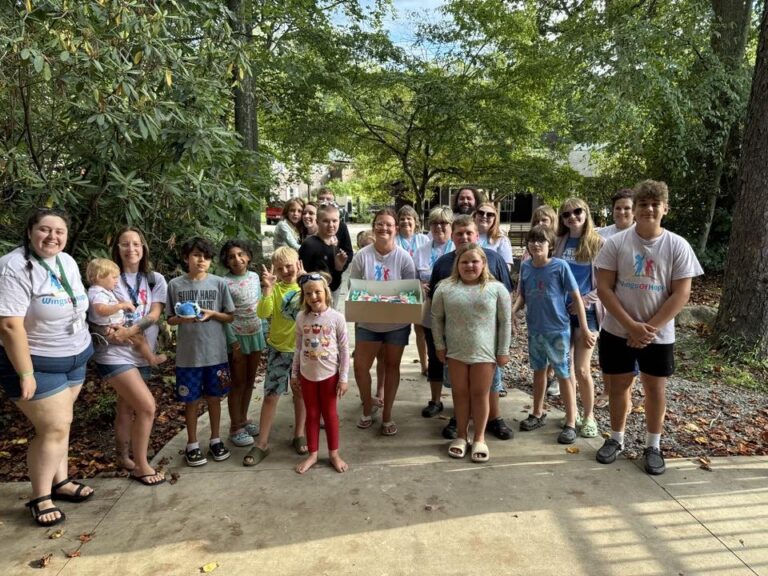
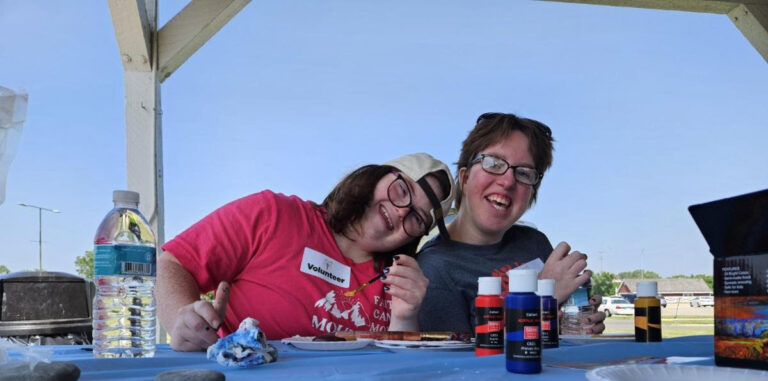
At Laurelville Retreat Center in Mt. Pleasant Pennsylvania, the spirit of summer camp extends beyond the season. One beautiful expression of that spirit is Wings of Hope, an afterschool program designed especially for children and teens with disabilities, ages 5–18.
There are several conferences happening this summer in the Church of the Brethren for youth and adults.
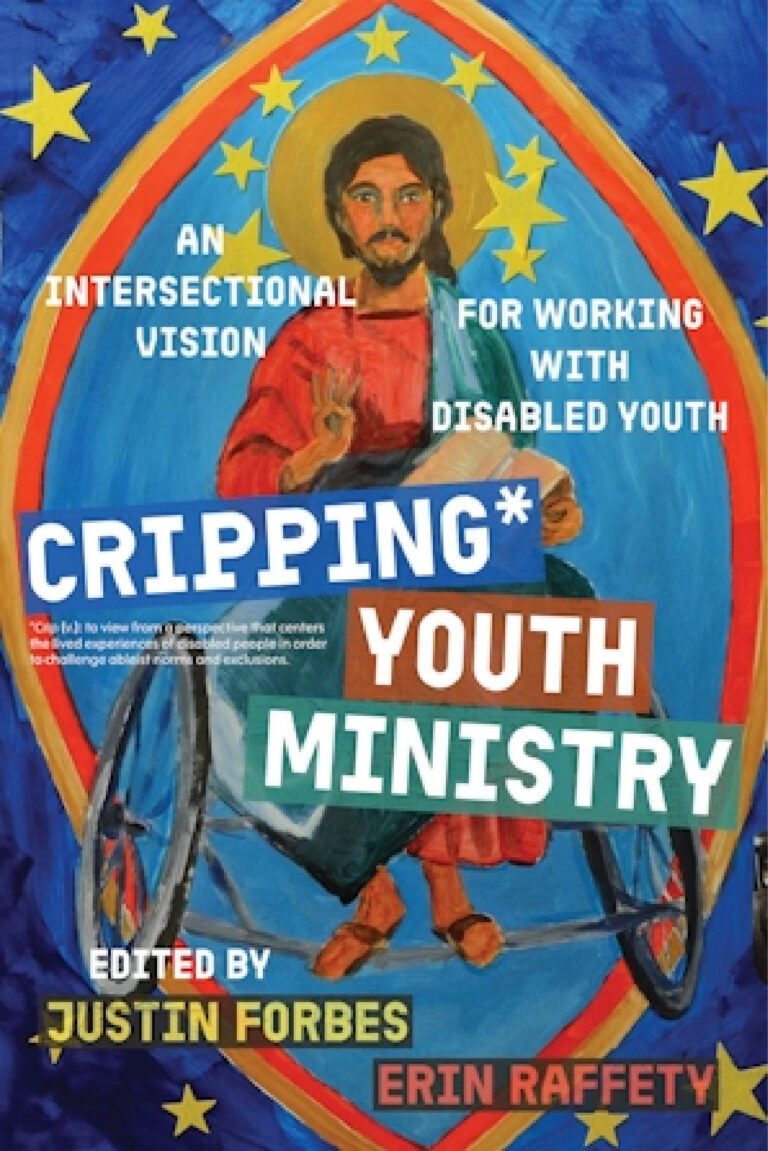
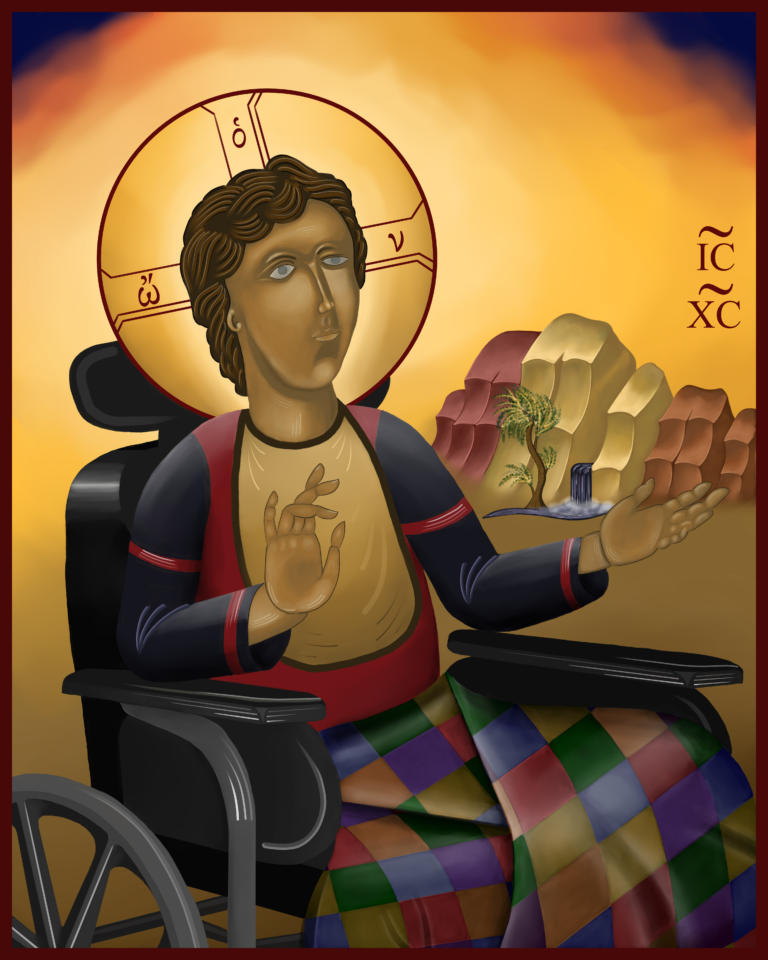
Pastor Derek Yoder reflects on his spiritual journey as a minister to people with intellectual and developmental disabilities, and how he came to create the icon, Christ of the Wheelchair.
Keith Dow reflects on the Images of God project, a collaborative artistic effort with participants with intellectual disabilities.
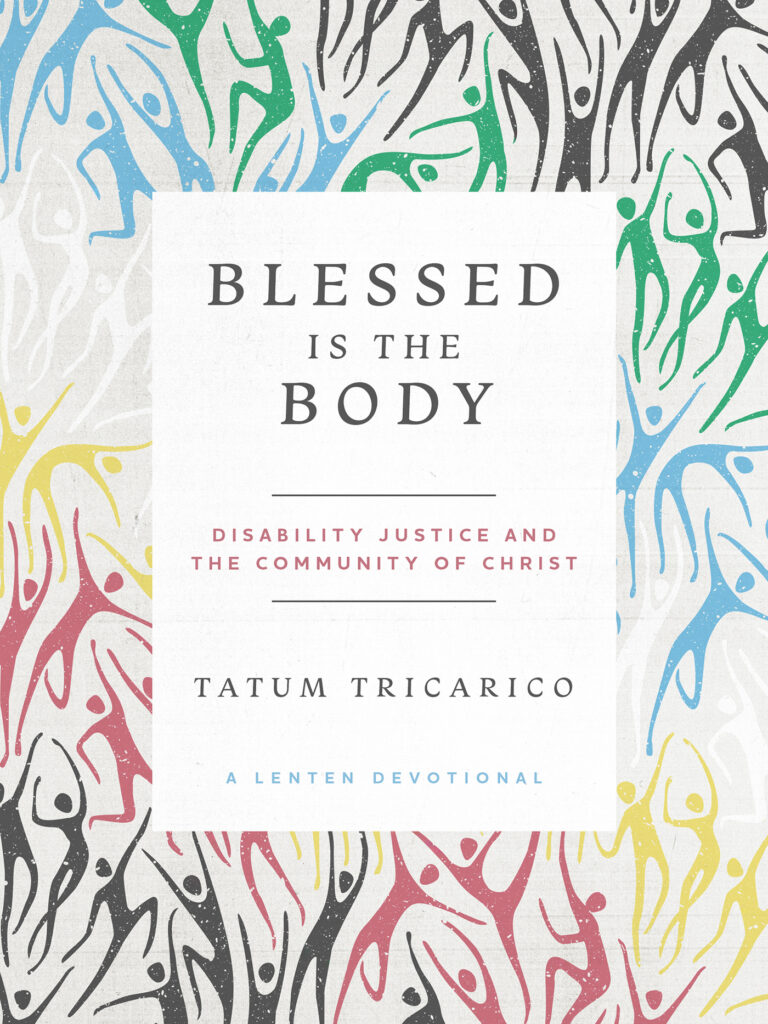
This year’s Lenten devotional from Herald Press, Blessed Is the Body: Disability Justice and the Community of Christ by Tatum Tricarico, is a thoughtful and accessible reflection on biblical texts centering disability and how they can inform the life of the church.
Keli Boyer talks about the All In Project, ADN’s latest venture, made possible by a grant from the Lilly Foundation.
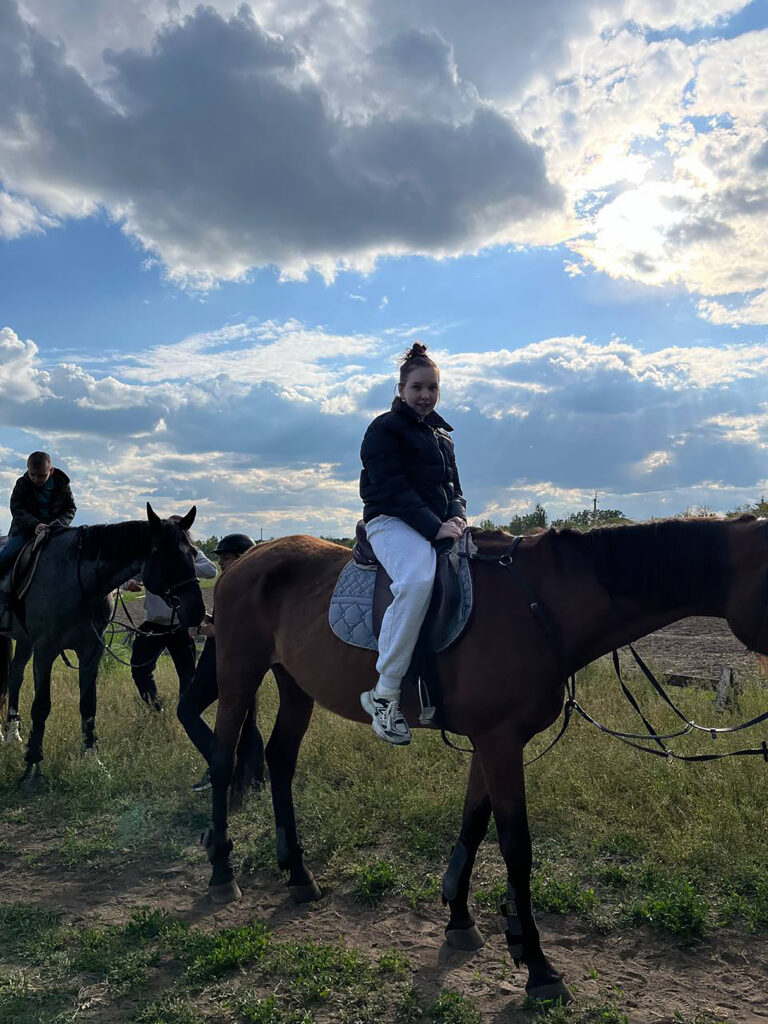
Joe Landis shares about the Prometheus School in Ukraine and their important work with children with disabilities.
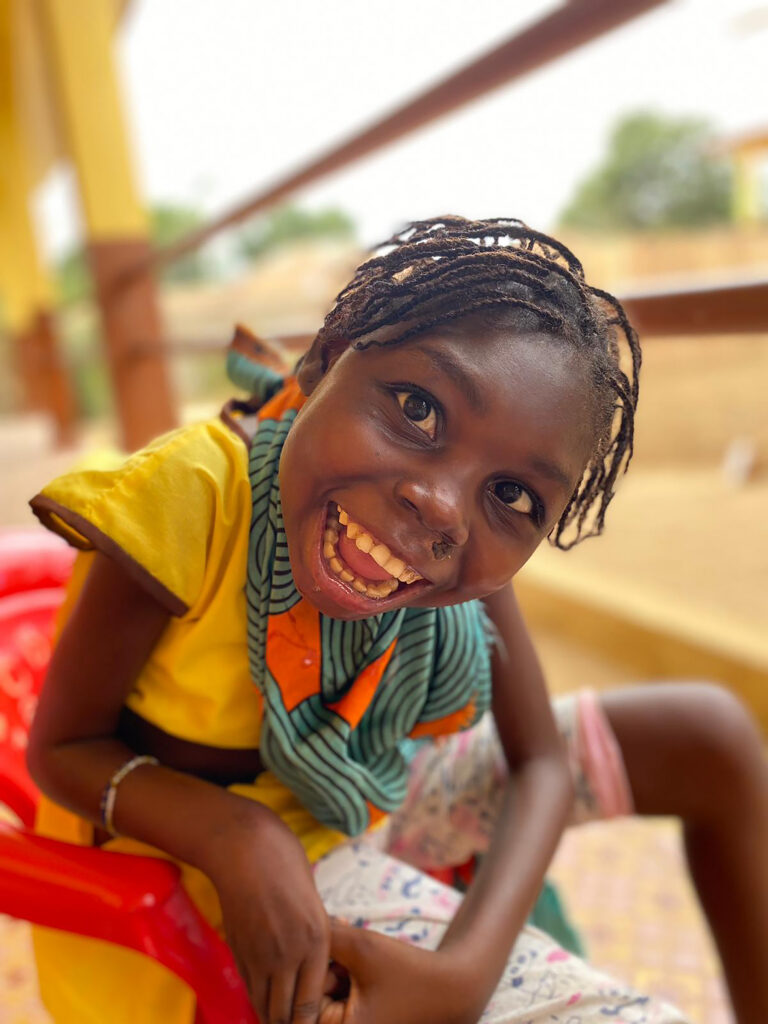
Heleen Yoder talks about the work of Nyandengoh!, an organization in Sierra Leone that works with children with disabilities.
Register for this family camp for children with disabilities, June 30 – July 3!
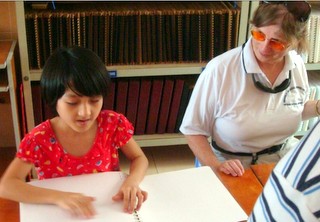
In this engaging interview, Eleanor Habecker shares stories of connection related to her blindness and faith.
As a blind pastor, Brandon Grady uses the eyes of his soul to guide him.
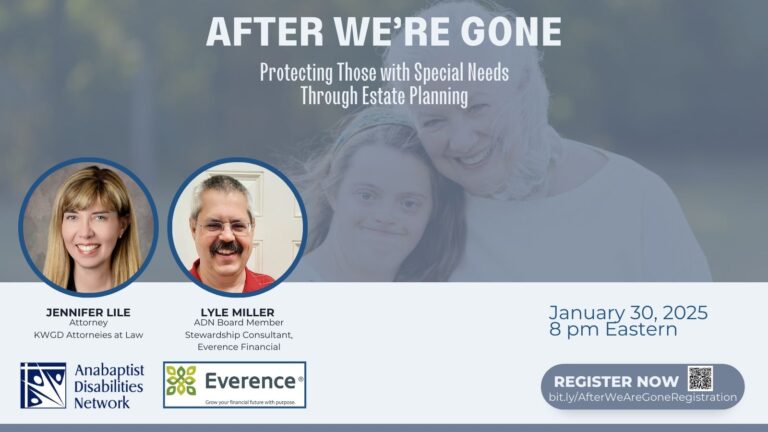
Attorney Jennifer Lile and Stewardship Consultant Lyle Miller discuss the unique aspects of estate planning for families of those with disabilities.
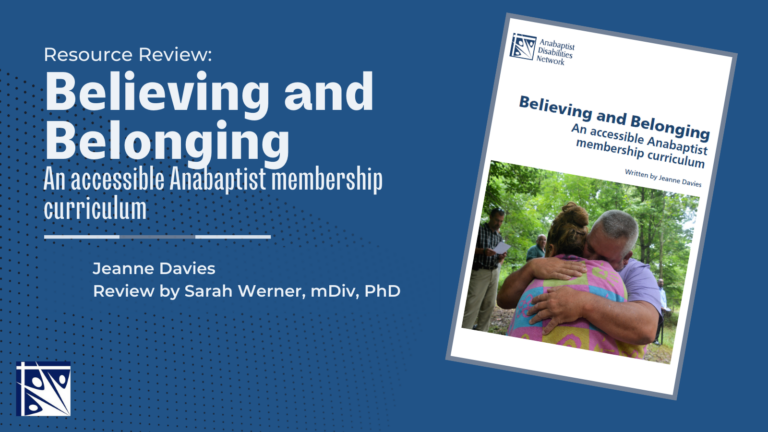
Field Associate Sarah Werner reviews the anabaptist baptism & membership curriculum for adults with intellectual disabilities.
Chris Esau and Patty Andres share their baptism testimonies, with a short reflection by Chaplain Mike Gilmore.
Emily Krabill talks about baptism, church, God, and what it means to belong.
Katie Smith reflects on being fearfully and wonderfully made as a disabled person.
Tony Miller wrestles with the ideas of healing, wholeness, and love.
ADN’s free tool to assess a church’s accessibility to people with disabilities and mental illness.
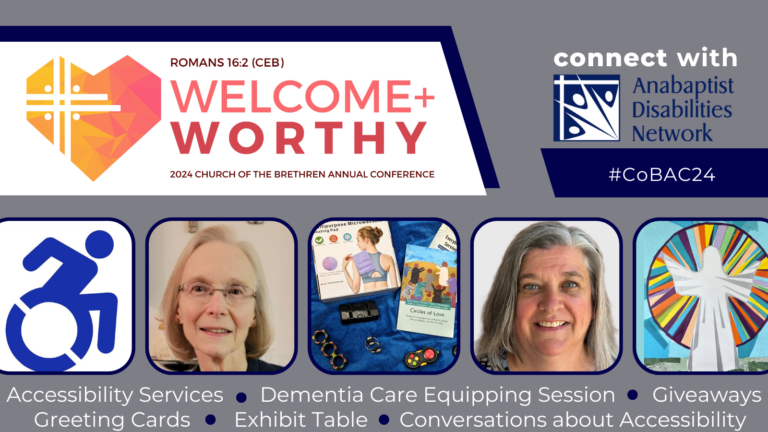
Accessibility Services, Equipping Session, Giveaways, and more!
Jasmine Duckworth grapples with the idea of prayer and healing in the context of her chronic illness.
Reflecting on a chronic illness diagnosis, Laura Stone explores how she learned to surrender to a life she did not expect.
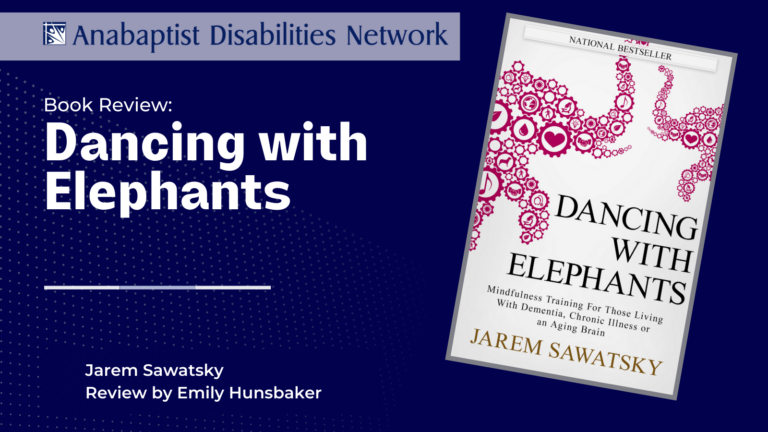
Mindfulness Training for Those Living with Dementia, Chronic Illness, or an Aging Brain.
Register for We Are Able 2024
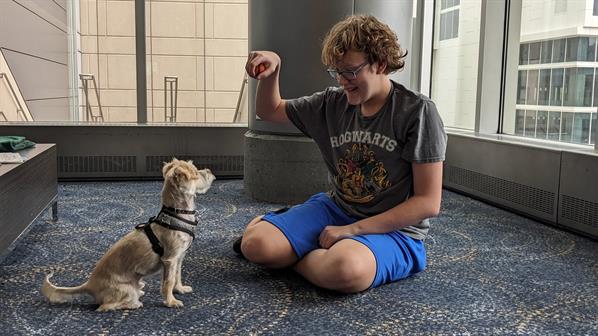
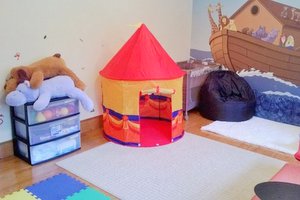
Anabaptist Disabilities Network hosted a sensory room at the national Mennonite Convention in July 2023.
Landon Kauffman reflects on his experience at MennoCon.
Cindy Warner Baker reviews the book, Amplifying Our Witness: Giving Voice to Adolescents with Developmental Disabilities by Ben Connor
Emily Krabill reflects on the 2023 We Are Able work trip.
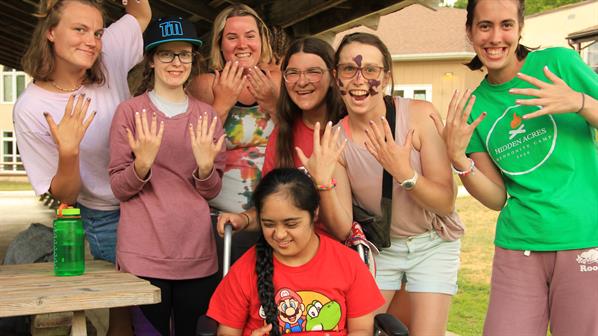
At Hidden Acres Mennonite Camp, we provide a welcoming, peaceful gathering place where diverse groups of people experience life-giving connections with God, one another, and nature.
A list of accessible summer camps in the North American midwest and eastern seabord
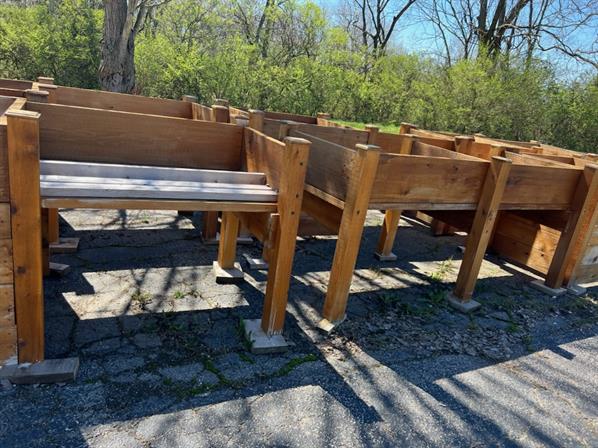
Field associate Kathy Dickson talks about accessible gardening at Methodist Theological School of Ohio.
Sarah Werner shares about how she connects to God in the natural world.
Sarah Griffith Lund discusses the importance of talking to young people about mental health.
Sam Stoltzfus reflects on her struggles with neurodivergence in navigating college.
JE Misz shares about the importance of building resiliency for mental health in youth and young adults.
Tom Szambecki shares about his experience working with neurodivergent youth and the wisdom all youth can offer on inclusion and belonging.
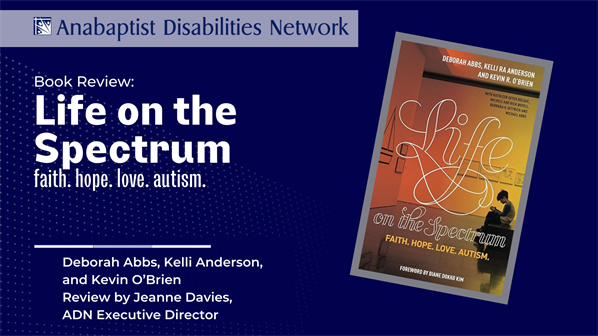
An excerpt from Life on the Spectrum: Faith. Hope. Love. Autism. by Deborah Abbs.
Ann Hamlin explains what it’s like to pray as a person who is nonverbal.
Heddie Sumner offers ideas for congregations wishing to accommodate people with dementia.
John Swinton writes on the intricate relationship between God and a person with dementia.
Susan and Don Jeffers draw on the strength of spiritual practices and a community of support during Don’s dementia journey.
Erik Carter and Bill Gaventa discuss how churches can support employment for peopke with disabilities.
Douglas Gehr discusses strategies for employment for people with developmental disabilities.
Julie Foster offers advice for churches working to create employment opportunities for people with developmental disabilities.
Karen Pfahler talks about the importance of meeting the needs of children with disabilities in church and the special relationships that can form.
Alison Flory Reploge shares about the need for churches to help ease the load of families with children with disabilities.
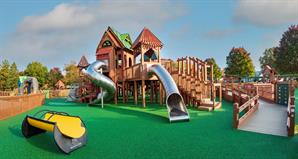
Erica Landram talks about the building of the Lititz Tree house playground, an accessible playground for people of all abilities.
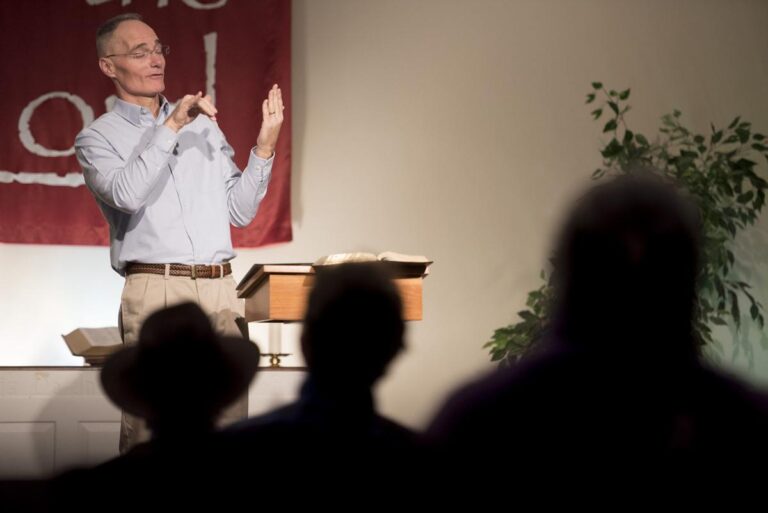
How Frederick’s deaf community finds faith and fellowship through the use of American Sign Language.
Tyler Hartford reflects on the use of hearing in the Bible and offers ways congregations can be accessible to people with hearing loss.
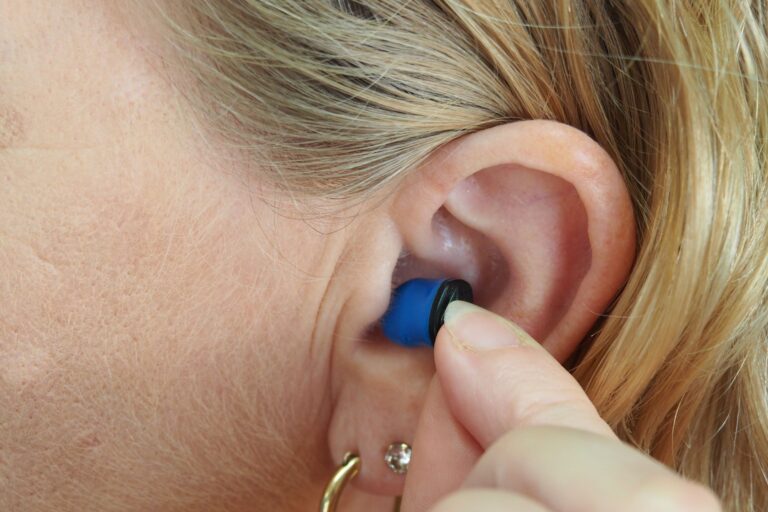
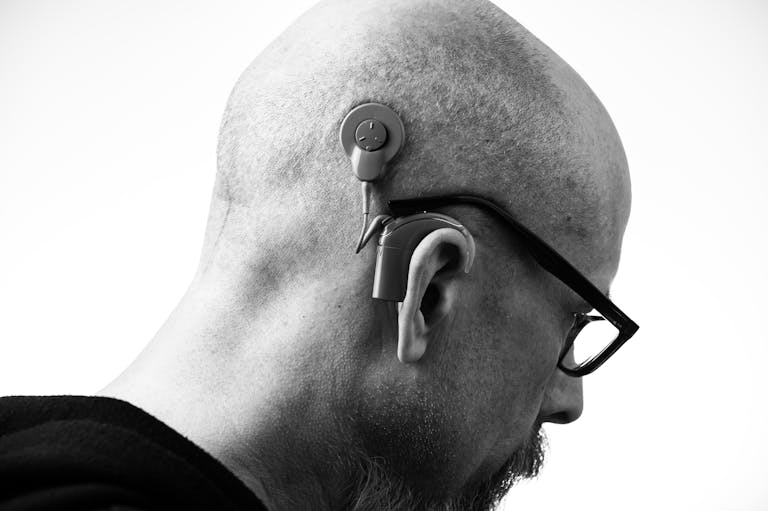
an introduction to the biology of hearing and how hearing can be damaged, as well as the options for someone experiencing hearing loss or deafness.
Here are a few resources for navigating the transition to adulthood for people who have disabilities.
Katie Smith shares her firsthand experience of moving from adolescence into adulthood with a disability and how she now helps students navigate this change.
Julie Foster discusses the importance of meaningful work for adults with disabilities and how the church can help.
Hannah Thompson talks about how she came to the Christian faith in college.
Jonathan Shively shares about his experience working to provide a meaningful life for his adult son with an intellectual disability.
In White Picket Fences, Amy Julia Becker examines how able-bodied privilege and white privilege have affected her life.
Jeanne Davies shares practices that build resilience in the midst of the pandemic.
Amy Julia Becker recounts how her experiences of exclusion with her daughter, who has Down syndrome, helped her understand racism in the US.
Chou Hallegra Gabikiny reflects on the privileges and disadvantages that have shaped her life and her career.
Paula Ziegler Ulrich shares ideas for connecting with older adults who are sheltering in place during the pandemic.
There are those who seem to defy the limitations of aging as they grow into the last decades of life. But the reality is that aging brings inevitable disabilities for everyone.
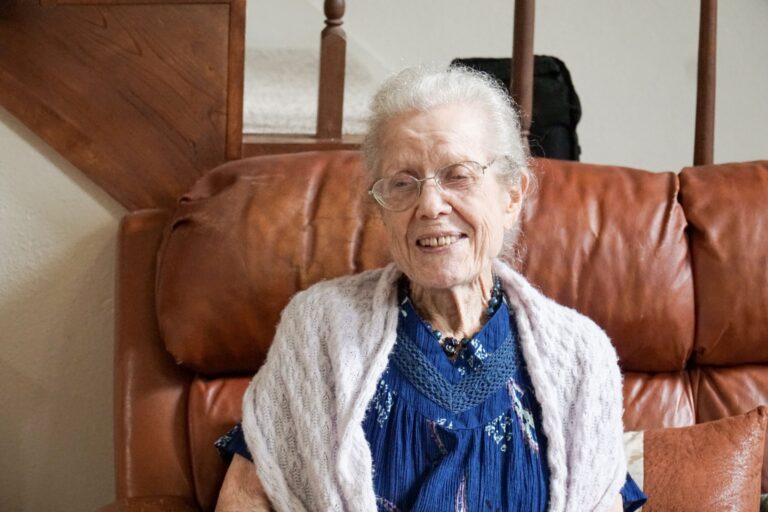
I am 82 years old. In spite of my age-related challenges, I believe that most of the time I can honestly say life is good.
Peter Graber reflects on the realities of aging and how these relate to our use of the term ‘disability.’
The ADN board is pleased to announce that Jeanne Davies has accepted the board’s appointment as the new ADN Executive Director, effective June 1, 2020.
Deborah-Ruth Ferber shares about her experience visiting a L’Arche community in Warsaw, Poland and the warm welcome she received.
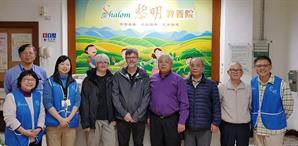
The New Dawn Educare Center is a day care, residential center and sheltered workshop in Taiwan.
Alexandra Meneses Andrade reflects on the changing attitudes towards people with disabilities as an Ecuadorian Mennonite.
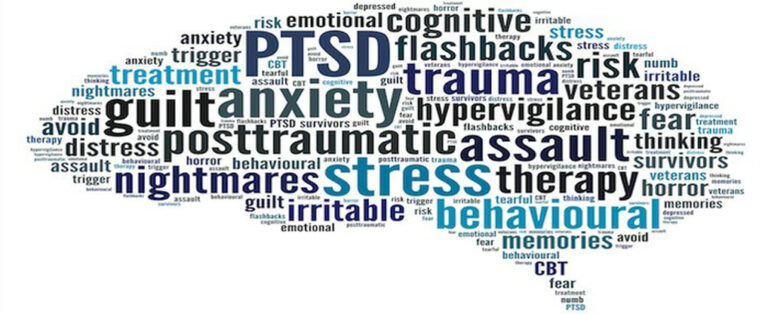
Dr. Sarah Jean Barton provides resources and education for congregations seeking to provide trauma-informed care.
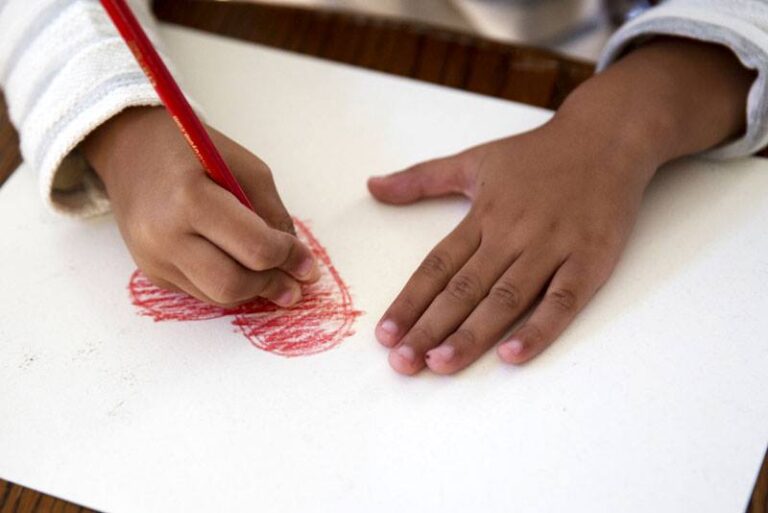
What to do When Your Child is Hurting from the Inside Out
Darial Sterling introduces how adverse childhood experiences affect a person’s physical and emotional well-being.
Pastor Staci Williams provides an introduction to trauma and encourages grace and compassion when interacting with people with trauma.
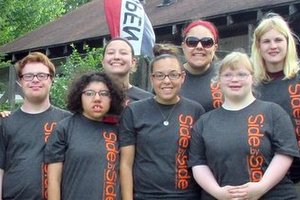
Karen Norton Biddle shares about being part of the We Are Able work camp over the summer.
Rachel Joy recounts a discussion with a Colombian woman about the balance between seeking healing and valuing people with disabilities for who they are.
One of the many blessings my youngest son, Luke, who has autism and is nonverbal, has brought me is this: He helps me slow down and live in the present.
We welcome Emily Hunsberger to Anabaptist Disabilities Network as a part-time Office Administrator.
No one knows why auto-immune disease comes, but it does. And when it comes we have to determine how we will deal with one disease, or perhaps several, and maybe a disability or two.
Chris Schaffner offers some practical suggestions for how the church can support those who suffer from drug dependency.
Anabaptist Disabilities Network welcomes Eldon Stoltzfus of Goshen, Indiana, as its new Executive Director beginning May 1, 2019.
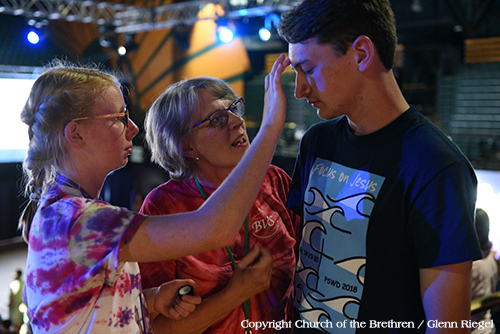
Jeanne Davies talks about “The Oasis” a sensory space created for the recent National Youth Conference of the Church of the Brethren.
Life on the Spectrum is a collection of reflections written by parents of autistic children. These are stories of love, struggle, grief, and joy.
In May 1996 a baby boy was born into our family. Jonah was pink, strawberry blonde, and he had Down syndrome. We were immediately transported into a new reality.
This fall we welcome Jeanne Davies as the new Program Resources Manager for Anabaptist Disabilities Network.
Debbie Eisenbise shares resources for families on the topic of aging.
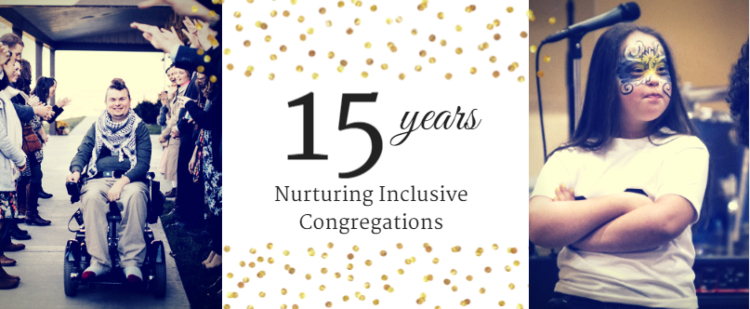
As Anabaptist Disabilities Network reaches its 15th anniversary, I’m gratified by the accomplishments of my co-laborers and predecessors; more church congregations consider accessibility and inclusion to be a part of their regular ministry.
This past Spring, I worked with Bill Gaventa, a leading voice in disability theology and justice, to craft a conference about disability, theology, and faith communities.
In May, Anabaptist Disabilities Network (ADN) celebrated fifteen years of helping congregations “catch the vision” of barrier-free worship, programs, leadership, and community life for everyone, regardless of their abilities.
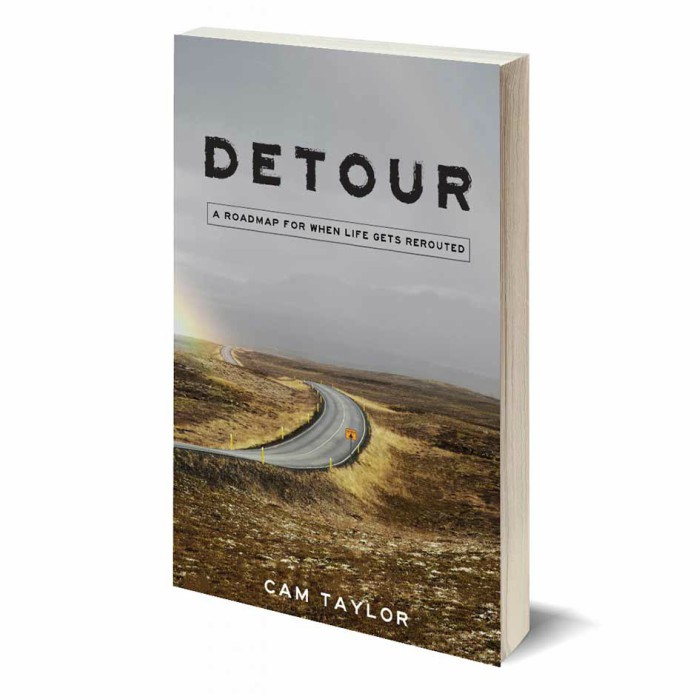
Cam Taylor’s story is a personal journey with the health struggles, emotional impact, and sense of loss that he and his wife, Vicky, faced after they were involved in a traumatic motorcycle accident.
Peter and Mary Graber share about their daughter Emily’s membership ceremony at Sunnyside Mennonite Church in 2008.
Many thanks to the many participants and volunteers who made ADN’s annual Circles of Love Banquet a success!
Rachel Joy, supported by Portland Mennonite Church, provides a few hours of editing services to ADN monthly. ADN is thrilled by this partnership!
At MC USA Convention in Orlando this summer, I led a workshop on autism in the church youth group.
Too often mental illness, self-harm, and suicidality goes unrecognized in youth. How can adults in the church intervene to be a lifeline?

The theme of this issue of Connections features creatively designing congregational life to remove barriers to full participation.
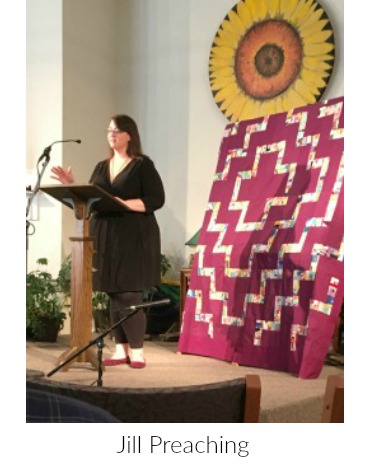
Worship within a biblical, warm, and supportive community is a wonderful experience that God desires for all of us. Yet, as a person with a (vision) disability and a pastor, I’m aware of many barriers that make worship difficult or uncomfortable for people with disabilities.
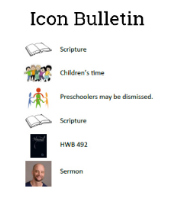
In 2014, Columbus Mennonite Church implemented the Icon Bulletin. As one of our church’s accessibility advocates and the mom of two boys with Down syndrome, I wanted our church to have a bulletin that could be meaningful to non-readers.
In this interview, Dan reflects on how his ministry and congregation has been shaped by his vision disability.
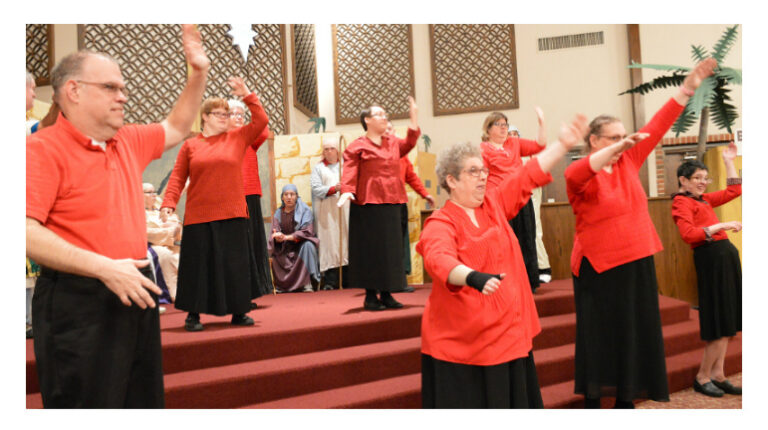
It’s a Friday evening at Hempfield Church of the Brethren, and worship is about to begin! Participants are moving into the sanctuary, chatting excitedly with each other and eagerly anticipating the coming hour of praising God.
When Flora Williams suddenly found herself trapped in a Mexican tour bus, her sunny vacation plans turned to shock and horror within mere minutes.
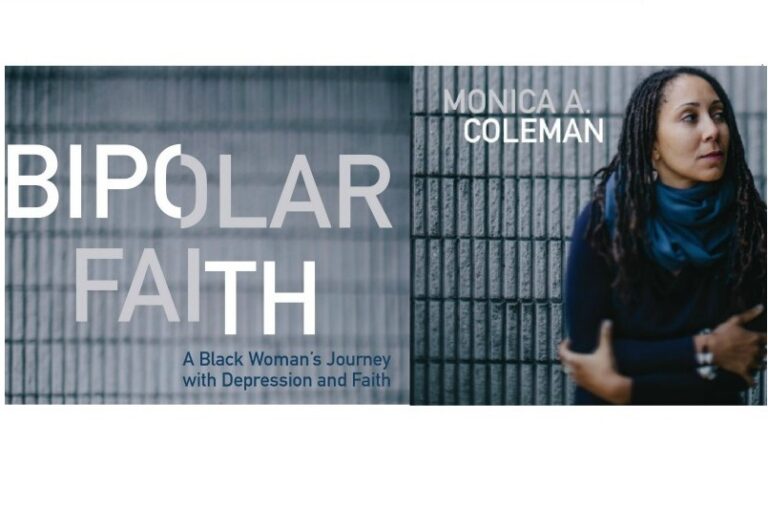
Monica Coleman’s Bipolar Faith is a raw look at the painful reality of mental illness within communities of faith and in the black community.
The experience of caregiving is unique to each person and family, and few generalizations can or should be made. However, I have collected stories in an attempt to heighten my own and others’ sensitivity to the complexity and challenge of being in the caregiver role and how the church can be helpful to persons on this journey.
This past year I got honest about my struggles with mental illness, particularly with those in my church community.
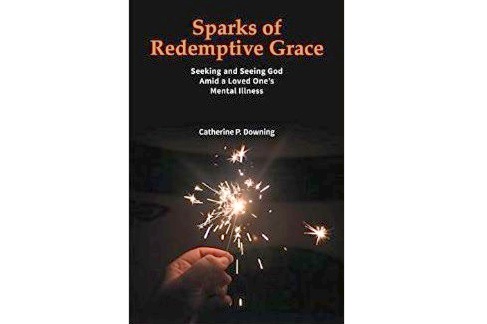
Sparks of Redemptive Grace: Seeking and Seeing God Amid a Loved One’s Mental Illness offers, to those who love someone with a mental illness, hope and companionship on the journey.
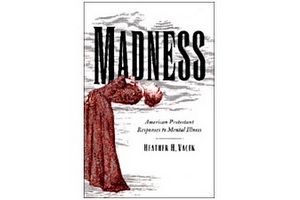
Madness: American Protestant Responses to Mental Illness, by Heather Vacek (Baylor University Press, 2015), examines the history of American attitudes and responses toward mental illness over three centuries.
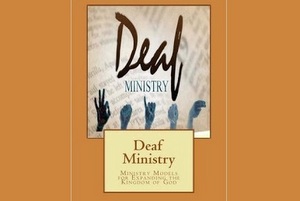
In Deaf Ministry: Ministry Models for Expanding the Kingdom of God, Leo Yates offers a plethora of suggestions, examples and ideas, worth the investment for anyone engaged in or seriously considering any aspect of Deaf Ministry.
Mark Pickens volunteers with Anabaptist Disabilities Network as a Field Associate. Field Associates partner with ADN from their home location to offer their services in program areas that contribute to ADN’s mission.
Rebekah Flores was honored to serve as Disability Ombudsman for the Church of the Brethren Annual Conference. This was the first year someone has served in this role.
I want to publicly thank Christine Guth for the ten years of service that she has given to Anabaptist Disabilities Network. Now, after a Spirit-led search for the next program director for ADN, I am pleased and excited to announce that Denise Reesor is joining us.
Following a sense that God had called her to the work of healing the wounds of war, Grace Mishler arrived in Vietnam in the year 2000. Grace soon found that her experience as a blind person would become an important part of her work.
Slate Hill Mennonite Church near Harrisburg, Pennsylvania, has found that a significant part of their mission in their community is to be with people from the Cumberland Vista Group Home for adults with developmental disabilities.
As I write this column, I am coming up on my one-year anniversary as executive director of ADN. Just as 2015 was a time of growth and transition for Anabaptist Disabilities Network in terms of adding resources, so has the past year been a time of learning and professional development for me personally.
Pastor Dan Longmore shares a few suggestions about how you can be helpful to someone who is visually impaired.
n Chasing the Rabbit, Derek Volk’s soul-baring transparency offers a window into a world that will resonate deeply with the intensity, challenges, and triumphs that parents of children on the autism spectrum know intimately, even though details will inevitably differ.
The colorfully detailed illustrations make this a good book for reading aloud to a group of children. Information about Down syndrome at the end adds useful content.
The Church of the Brethren’s 2015 Open Roof Award was presented on behalf of the Disabilities Ministry of Congregational Life Ministries to two Church of the Brethren congregations: Cedar Lake Church of the Brethren (Auburn, Ind.) in Northern Indiana District, and Staunton (Va.) Church of the Brethren in Shenandoah District.
David Gullman has written an appealing new book that weaves together personal stories and reflection on the transformation that can occur when we welcome people with developmental disabilities into our lives and our faith communities.
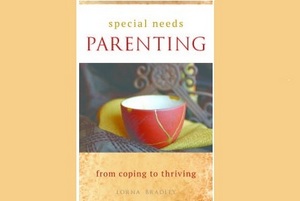
Lorna Bradley’s new book, Special Needs Parenting, offers needed emotional and spiritual support for Christian parents raising children with disabilities.
It is an unfortunate truth that children and adults with chronic medical conditions or disabilities are at increased risk for abuse and neglect. Some churches establish a protection policy to help ensure safety for the congregation’s children and youth.
Only as an adult did I fully realize I had a disability and what that would mean in broader terms of life and work. Living in the “big world” has challenged my beliefs, perception of self, and outlook on life. In this stage of life, I am grateful to have found a community of believers that welcomes me and helps me along life’s journey.
Josue and Norma Vazquez Maldonado were anticipating the birth of their third child, six years after their second daughter was born.
Everyone has gifts to share! Every summer, the Church of the Brethren provides opportunities for people to serve, worship, and have fun at workcamps.
This fall I visited with a pastor at Marion Mennonite Church in LaGrange County, Indiana. Only forty minutes away from Elkhart by car, the trip reminded me of traveling back in time or to another country as I carefully maneuvered around the Amish buggies sharing the roads.
Accessible Gospel, Inclusive Worship, by Barbara Newman offers a plan, or process, for including people with disabilities in the church setting.
We were sitting in the teacher’s lounge eating our lunch. I, and the two young adults with me, were taking a break from our on-the-job training. I was learning that Alex had a real love and knowledge of the online game, My Little Pony.
Growing up can be hard, but when you have a developmental disability it can be even harder. This summer, I got to make one small part of life easier for a few children with developmental disabilities.
After I moved to a retirement home, a friend asked where I attended church services. “Sometimes I go to local churches where my former grade school students lead in worship,” I replied. “Other times,” I added with a wink, “I go to the wheelchair walker united church.”
If you find yourself on the website of Beaver Creek Church of the Brethren, you will see the work of Doug Wood, photographer, a church member in his early thirties. When Doug, who is on the autism spectrum, took his camera to church in 2007, he was simply doing something that he had come to love—taking pictures.