
Disability, Safeguarding, and Inclusion in Cambodia
Charles Conklin reflects on his time with MCC in Cambodia where he worked on safeguarding policies for people with disabilities.

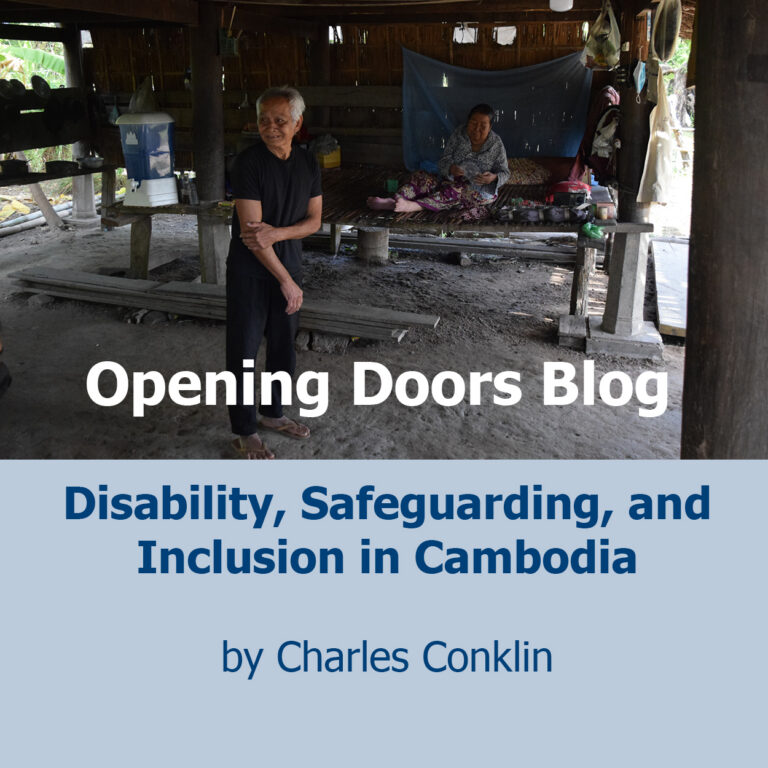
Charles Conklin reflects on his time with MCC in Cambodia where he worked on safeguarding policies for people with disabilities.
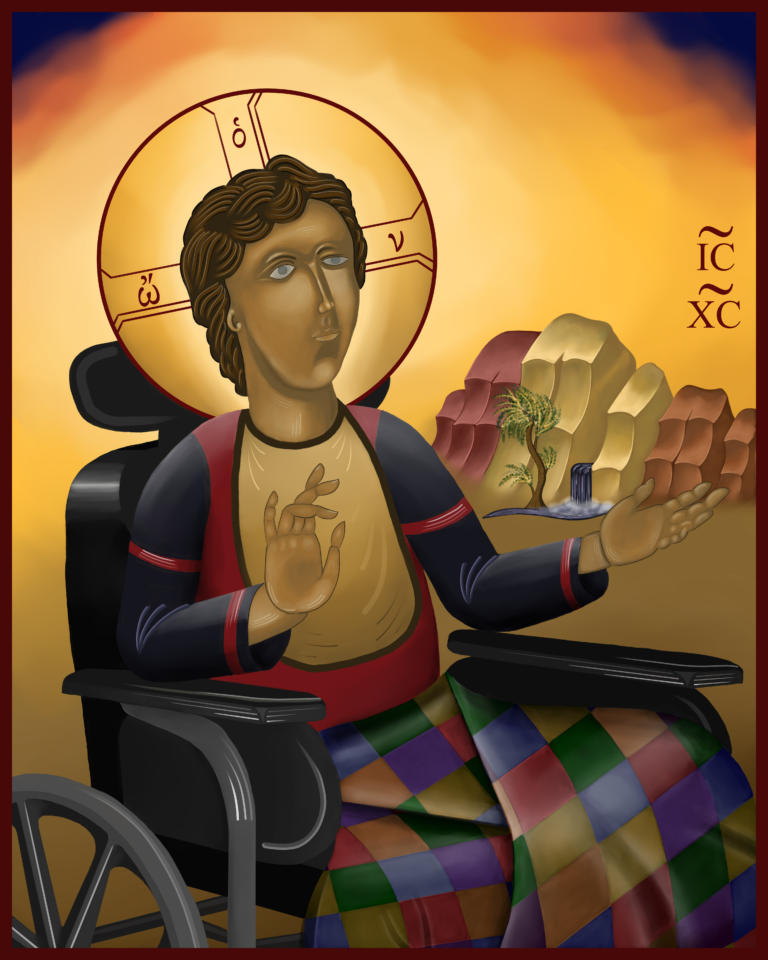
Pastor Derek Yoder reflects on his spiritual journey as a minister to people with intellectual and developmental disabilities, and how he came to create the icon, Christ of the Wheelchair.
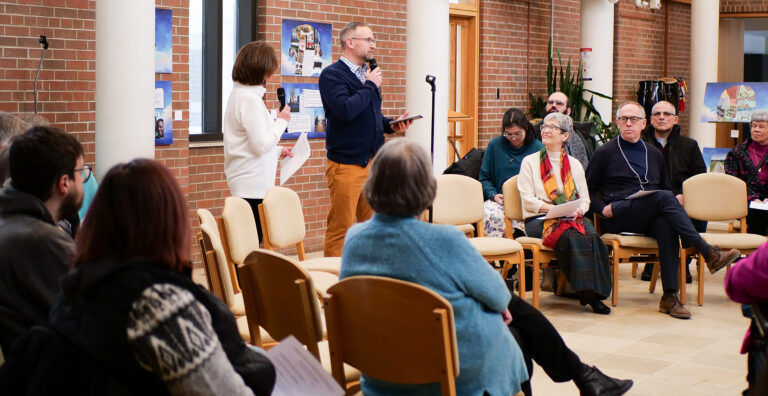
Keith Dow reflects on the Images of God project, a collaborative artistic effort with participants with intellectual disabilities.
Keli Boyer talks about the All In Project, ADN’s latest venture, made possible by a grant from the Lilly Foundation.
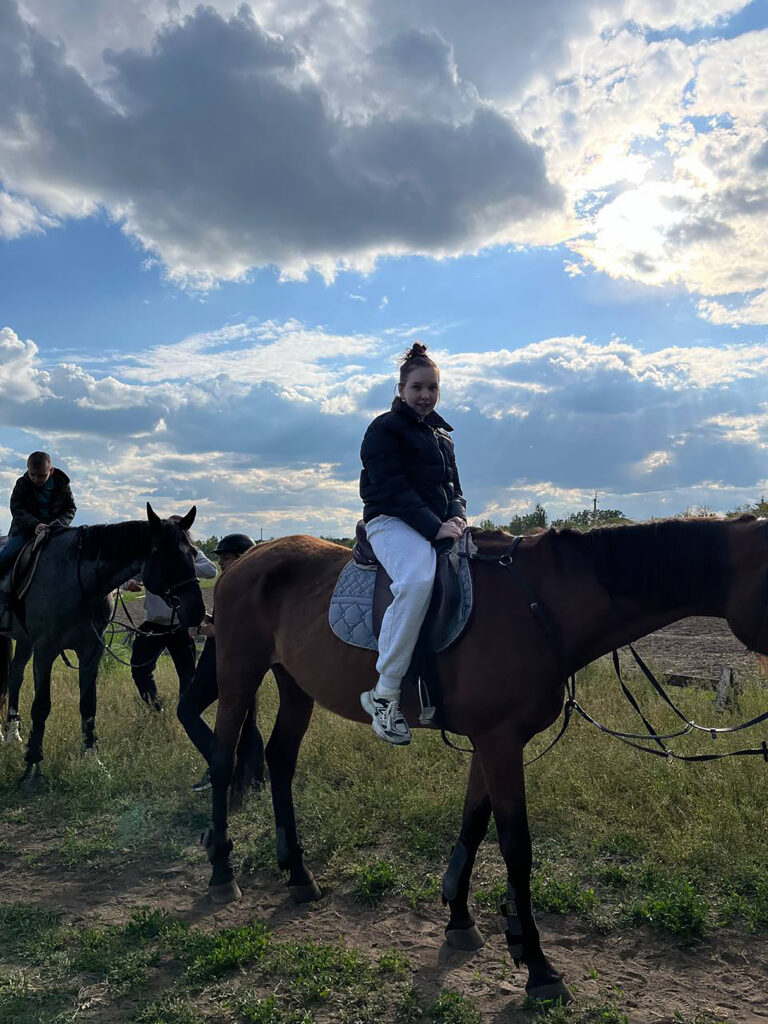
Joe Landis shares about the Prometheus School in Ukraine and their important work with children with disabilities.
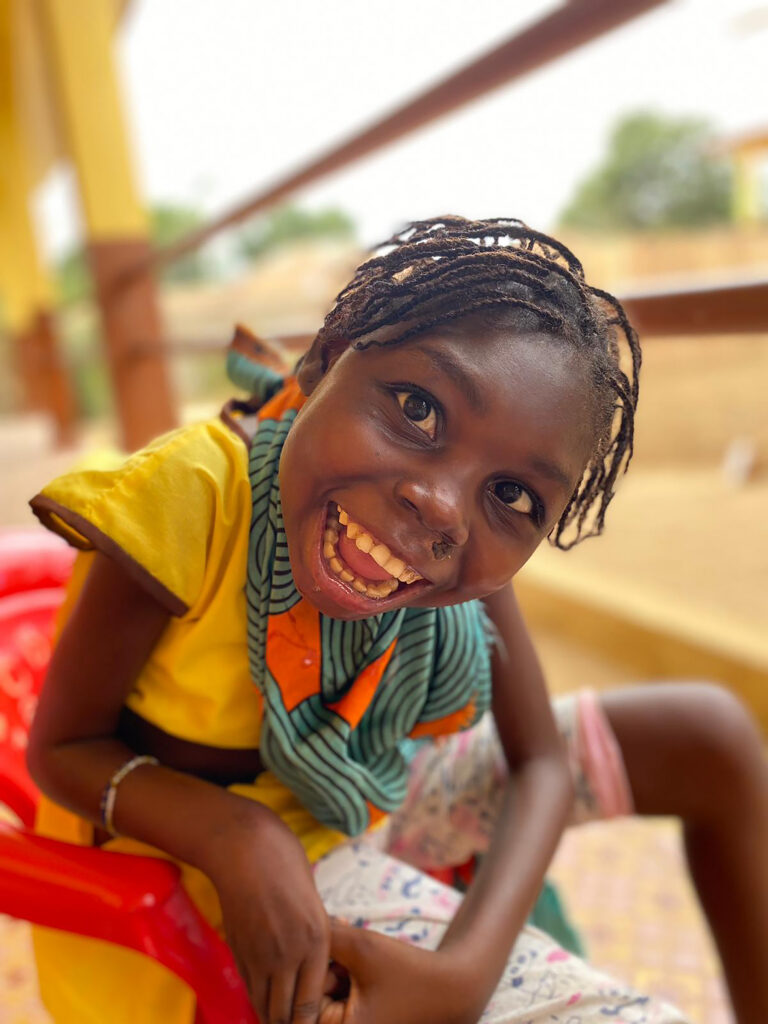
Heleen Yoder talks about the work of Nyandengoh!, an organization in Sierra Leone that works with children with disabilities.
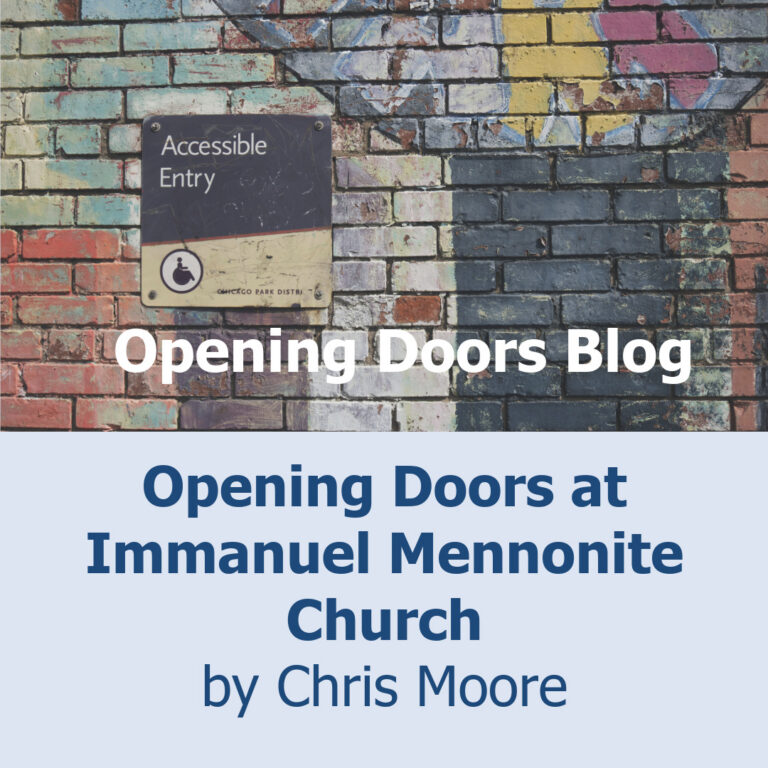
Chris Moore shares about the barrier free grant that Immanuel Mennonite Church in Harrisonburg, VA received.
Kathy Dickson shares about her experience in a community CPE placement that helps people with disabilities.

Sharon Brugger Norton shares about wild church and how it is accessible to neurodivergent people.
As a blind pastor, Brandon Grady uses the eyes of his soul to guide him.
In this poem, Kathryn Newswanger challenges the notion that people who are neurotypical decide what is normal.
A song by Ann Hamlin acknowledges her anxiety of a future after her caregivers pass away.
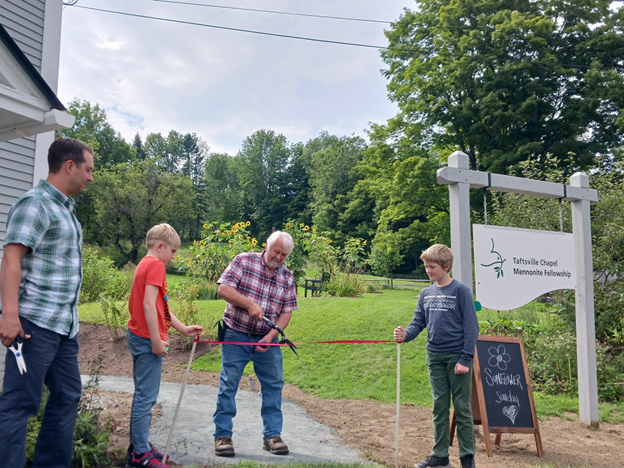
Steve McCloskey, Pastor, shares the church’s theological journey that led to the installation of the accessibility ramp.

Ann Hamlin recenters us on what is truly important, God’s gift of love, in this Christmas-themed song.
Chris Esau and Patty Andres share their baptism testimonies, with a short reflection by Chaplain Mike Gilmore.
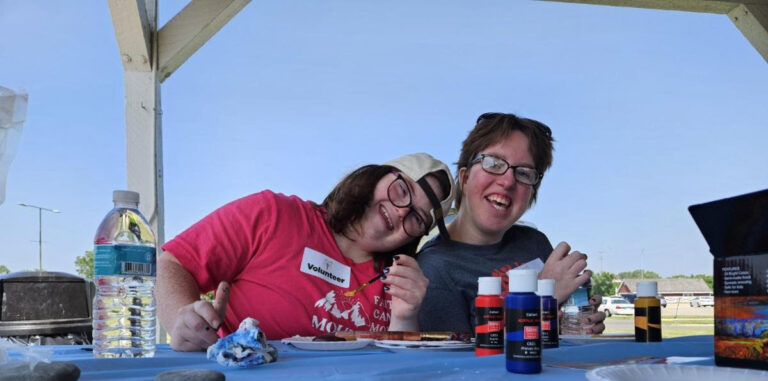
Emily Krabill talks about baptism, church, God, and what it means to belong.
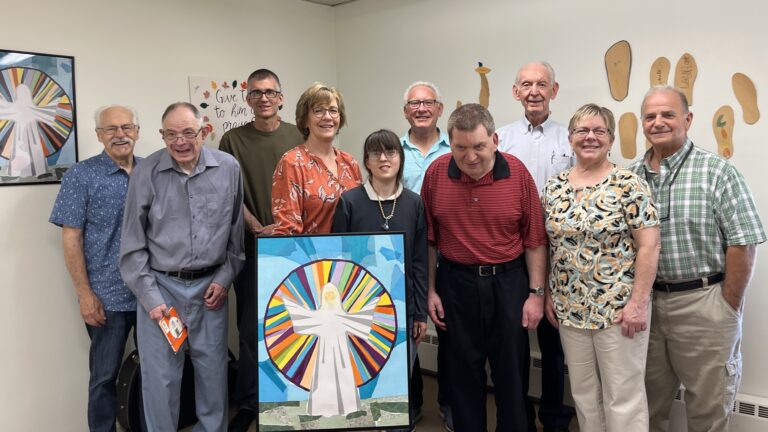
How a Sunday School class for intellectually disabled adults in PA connected with a school for disabled children in Ukraine.
Katie Smith reflects on being fearfully and wonderfully made as a disabled person.

Tony Miller wrestles with the ideas of healing, wholeness, and love.
Jasmine Duckworth grapples with the idea of prayer and healing in the context of her chronic illness.

Reflecting on a chronic illness diagnosis, Laura Stone explores how she learned to surrender to a life she did not expect.
Read and Listen to Ann Hamlin’s newest song about talking with and hearing from God.
With a poignant reflection of the beauty and barriers of visiting a personally sacred place, Jill Keyser Speicher sheds light on the daily challenges faced by wheelchair users.
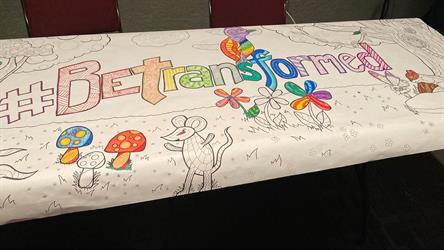
Anabaptist Disabilities Network hosted a sensory room at the national Mennonite Convention in July 2023.
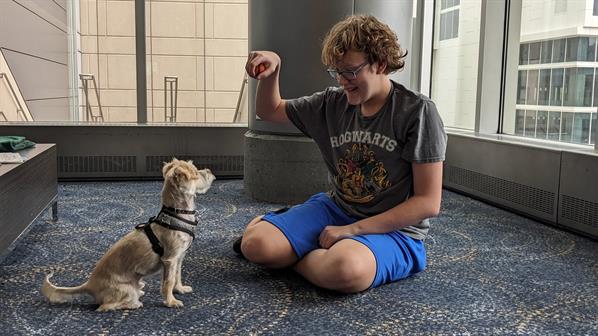
Landon Kauffman reflects on his experience at MennoCon.
Cindy Warner Baker reviews the book, Amplifying Our Witness: Giving Voice to Adolescents with Developmental Disabilities by Ben Connor
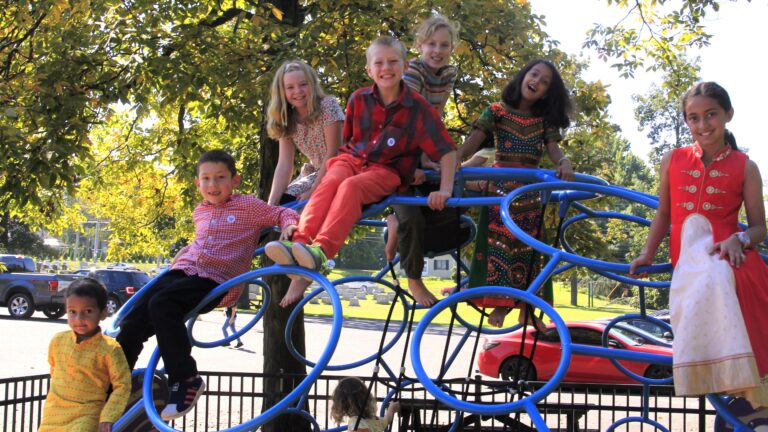
Plains Mennonite Church used a Barrier Free Grant to create a playground for all, a next step in supporting families with autistic children.
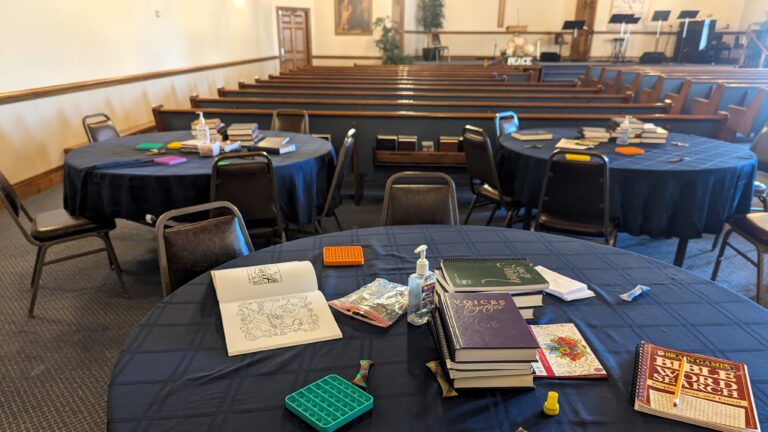
Pastor Nathanael Hofstetter Ressler offers tips for congregations beginning to accommodate for mental illness and support mental health.
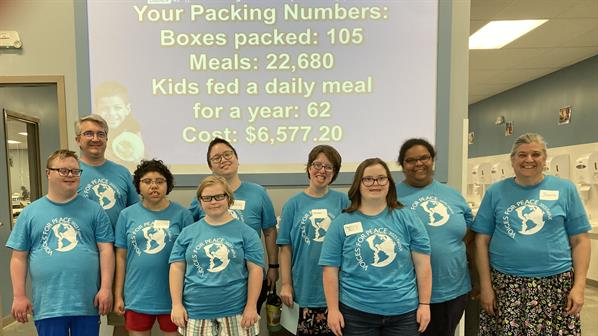
Emily Krabill reflects on the 2023 We Are Able work trip.
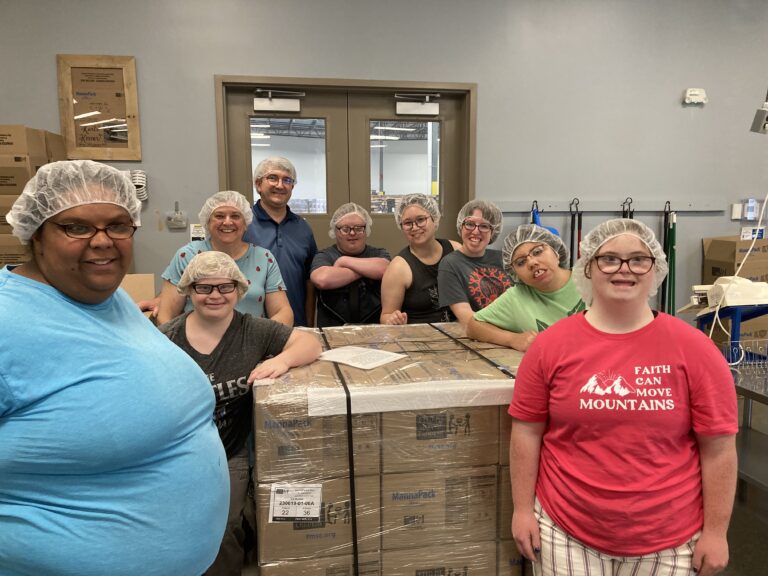
Jonathan Shively reflects on the blessings and growth of the 2023 workcamp week.
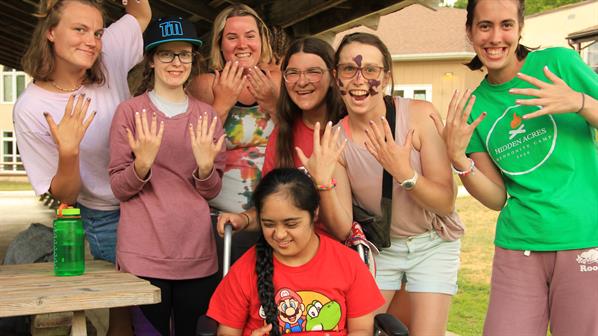
At Hidden Acres Mennonite Camp, we provide a welcoming, peaceful gathering place where diverse groups of people experience life-giving connections with God, one another, and nature.
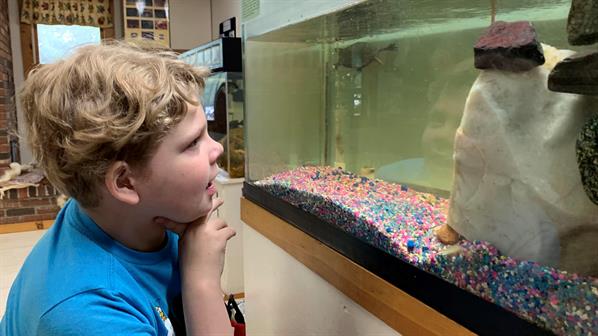
A list of accessible summer camps in the North American midwest and eastern seabord
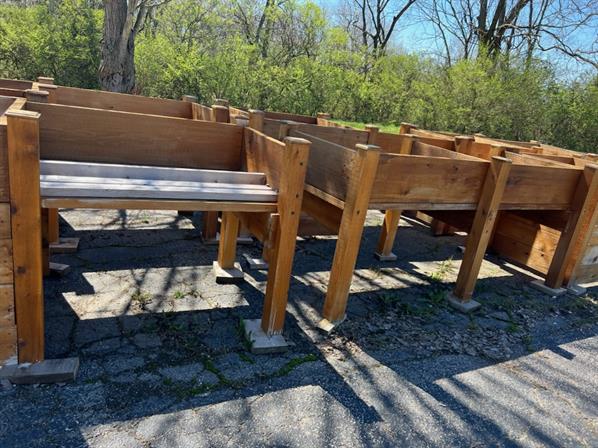
Field associate Kathy Dickson talks about accessible gardening at Methodist Theological School of Ohio.
Jasmine Duckworth shares vulnerably about her struggle for self-acceptance after a chronic-illness diagnosis.

Ann Hamlin relates her experience as an autistic adult in her church community.
Shelly Kerchner shares her journey through addiction, illness, and disability.
Sarah Griffith Lund discusses the importance of talking to young people about mental health.
Sam Stoltzfus reflects on her struggles with neurodivergence in navigating college.
JE Misz shares about the importance of building resiliency for mental health in youth and young adults.
M.Div. student Michelle Robichaud offers a few ways churches can support lonely youth who lack a feeling of connection.
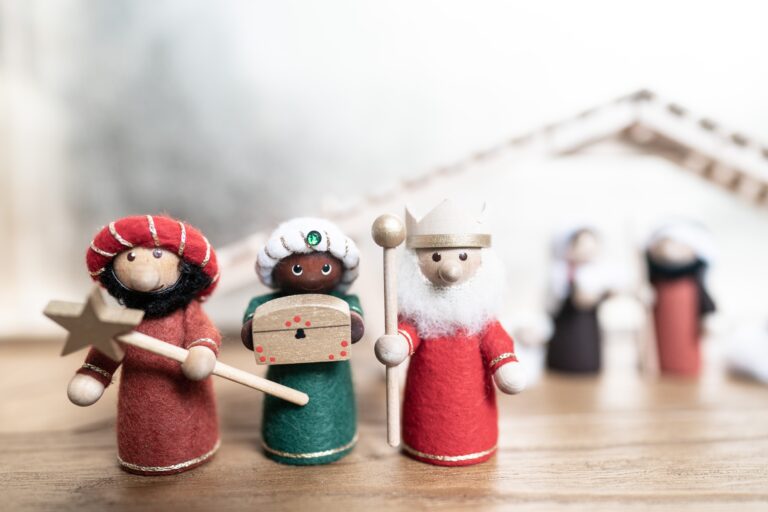
Brandon Grady draws a connection between navigating life as a blind man and searching for Jesus as a magi.

Why does the Resurrected Jesus have wounds? Laura Stone muses in her sermon on disability and wholeness. Plus, a sneak peek of Laura and Peggy Gilbert’s performance poetry.
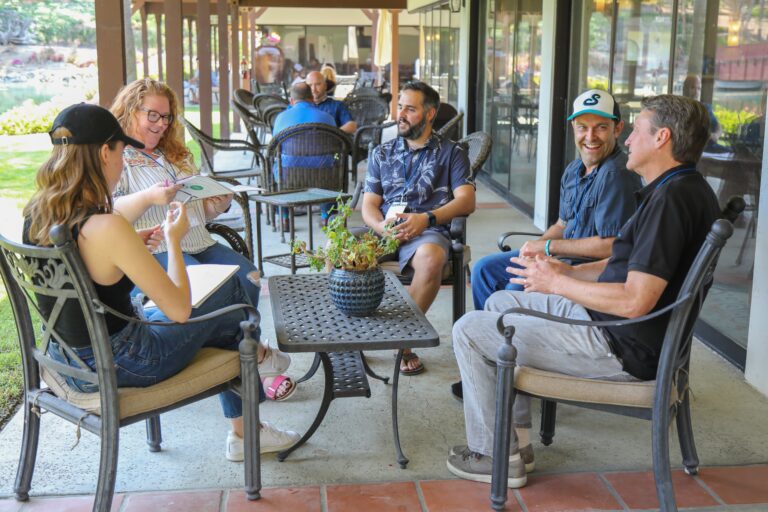
A story of moving from isolation to community with biblical hospitality by Heather Wolf
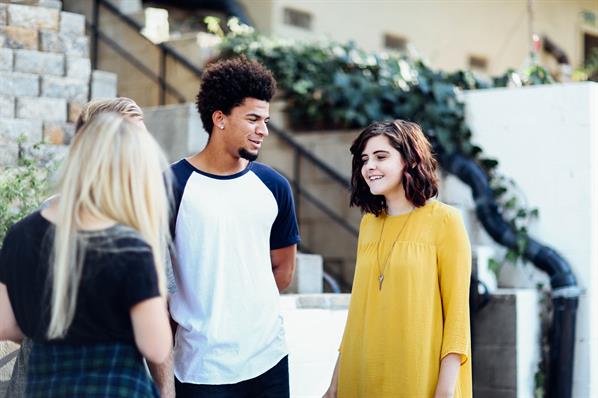
Tom Szambecki shares about his experience working with neurodivergent youth and the wisdom all youth can offer on inclusion and belonging.
An excerpt from Life on the Spectrum: Faith. Hope. Love. Autism. by Deborah Abbs.

Ann Hamlin explains what it’s like to pray as a person who is nonverbal.

Naomi Epp recounts the ways her friendship with Chantel has been a blessing for both of them.
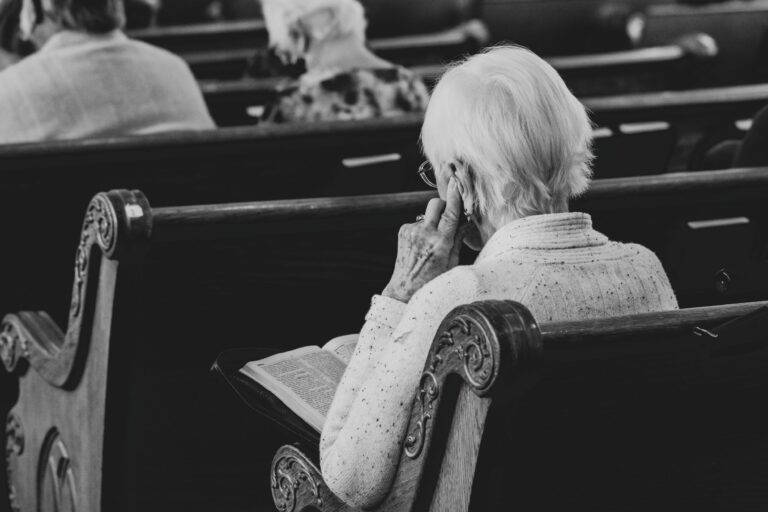
Marie Harnish shares the way her mother’s dementia has impacted the life of her family.
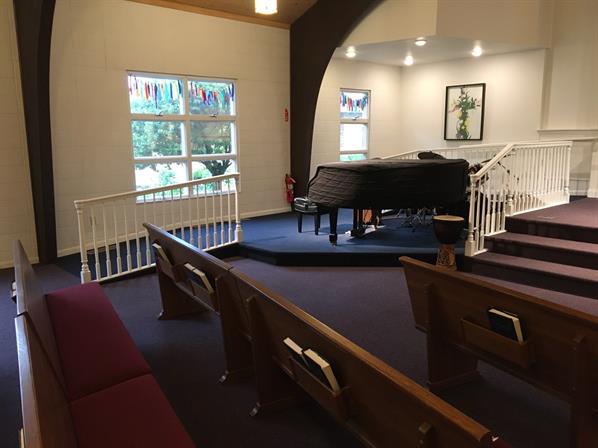
Jill Keyser Speicher writes about searching for a church as a wheelchair user.
Heddie Sumner offers ideas for congregations wishing to accommodate people with dementia.
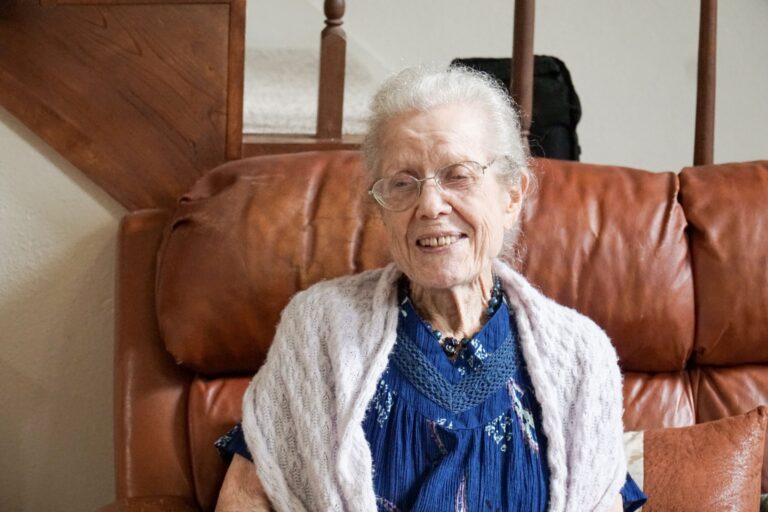
John Swinton writes on the intricate relationship between God and a person with dementia.
Susan and Don Jeffers draw on the strength of spiritual practices and a community of support during Don’s dementia journey.
With a poem and essay, Chou Hallegra calls congregations and individuals to consider how to support people with mental illness.
A song of yearning and humor by Ann Hamlin asks people to witness her humanity as a nonspeaking young adult.
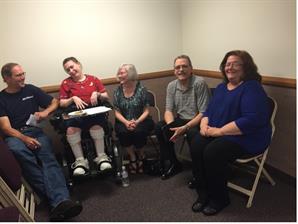
Erik Carter and Bill Gaventa discuss how churches can support employment for peopke with disabilities.
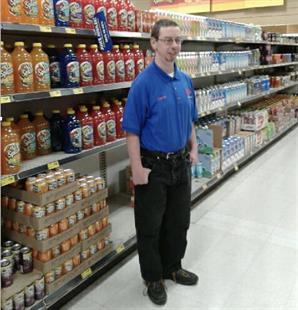
Douglas Gehr discusses strategies for employment for people with developmental disabilities.
Julie Foster offers advice for churches working to create employment opportunities for people with developmental disabilities.
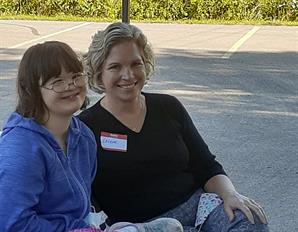
Karen Pfahler talks about the importance of meeting the needs of children with disabilities in church and the special relationships that can form.
Alison Flory Reploge shares about the need for churches to help ease the load of families with children with disabilities.
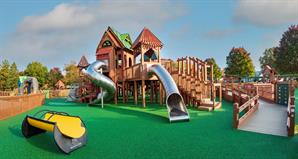
Erica Landram talks about the building of the Lititz Tree house playground, an accessible playground for people of all abilities.
Clinical social worker Jon-Erik Misz reflects on his experience with mental illness and therapy.
Bonnie Miller recounts the practical and emotional effects that a sanctuary ramp had on the congregation of Waterford Mennonite Church.
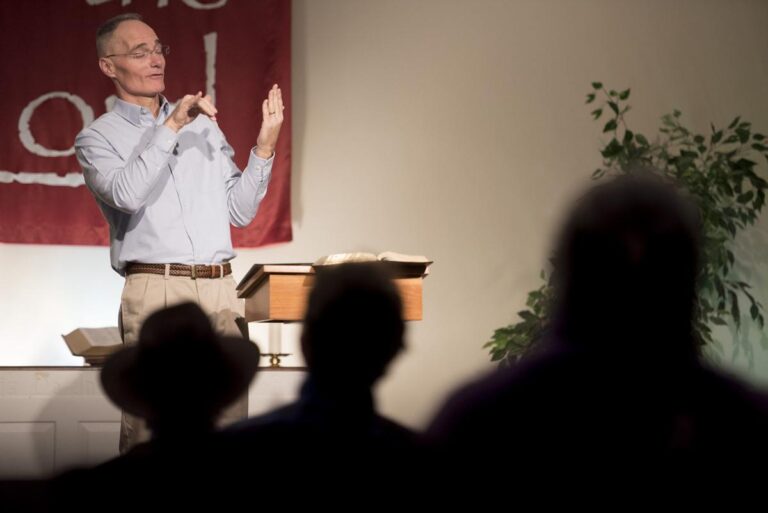
How Frederick’s deaf community finds faith and fellowship through the use of American Sign Language.
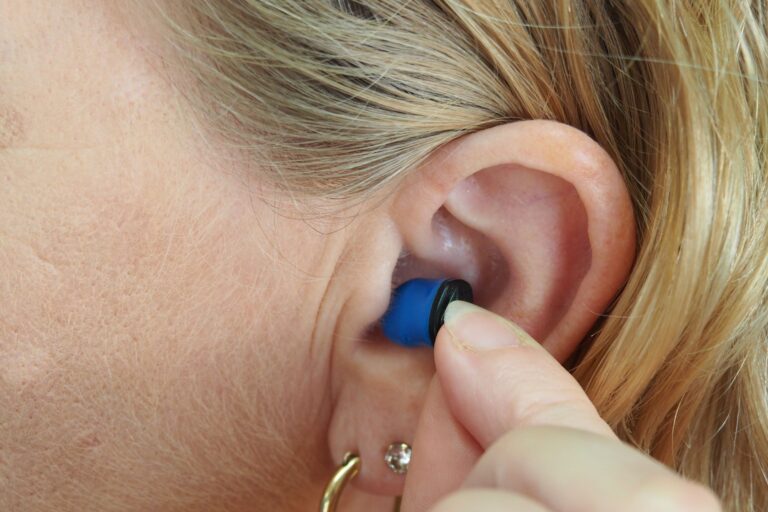
Tyler Hartford reflects on the use of hearing in the Bible and offers ways congregations can be accessible to people with hearing loss.
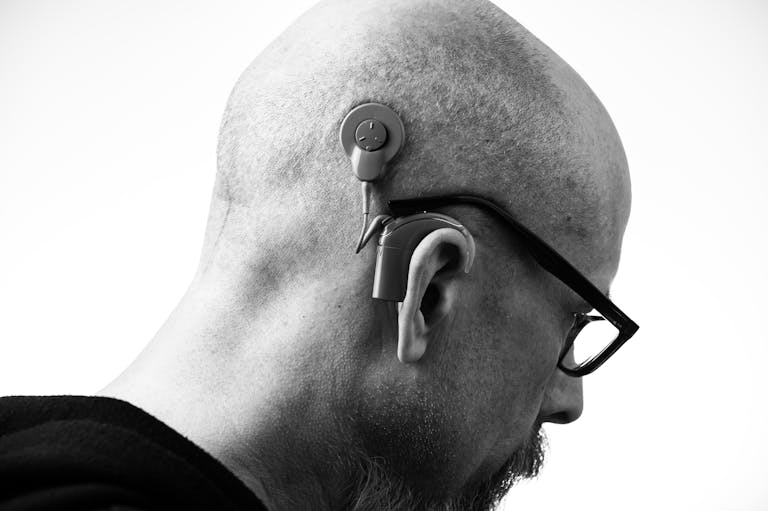
an introduction to the biology of hearing and how hearing can be damaged, as well as the options for someone experiencing hearing loss or deafness.
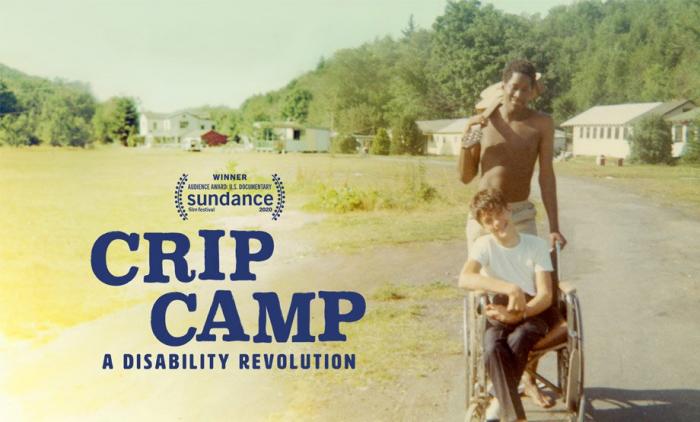
Hannah Thompson and Peter Graber offer their honest reviews of this Sundance film.
Here are a few resources for navigating the transition to adulthood for people who have disabilities.
Katie Smith shares her firsthand experience of moving from adolescence into adulthood with a disability and how she now helps students navigate this change.
Julie Foster discusses the importance of meaningful work for adults with disabilities and how the church can help.
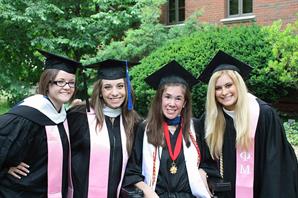
Hannah Thompson talks about how she came to the Christian faith in college.
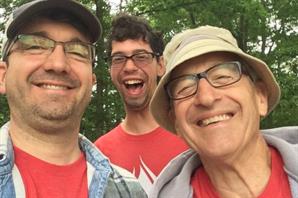
Jonathan Shively shares about his experience working to provide a meaningful life for his adult son with an intellectual disability.
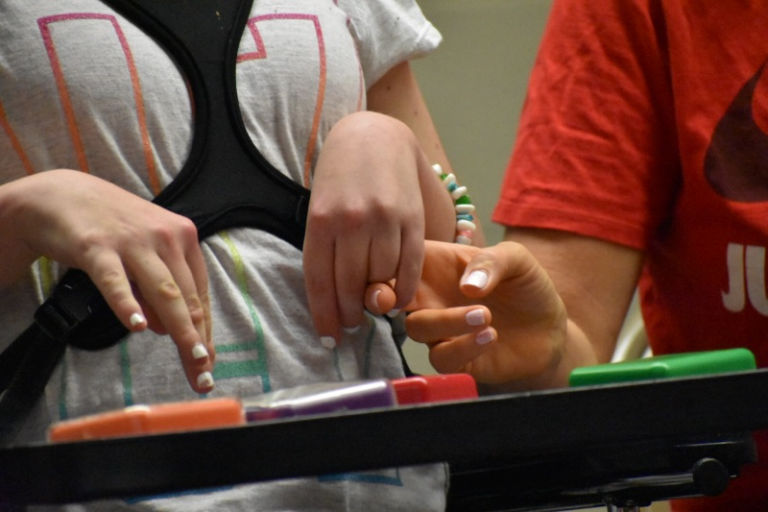
The process of beginning a disability ministry at Blooming Glen Mennonite Church, Perkasie, PA, which turned into a thriving community.
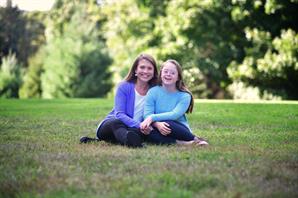
Amy Julia Becker recounts how her experiences of exclusion with her daughter, who has Down syndrome, helped her understand racism in the US.
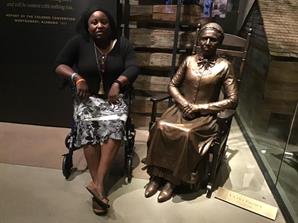
Chou Hallegra Gabikiny reflects on the privileges and disadvantages that have shaped her life and her career.
Paula Ziegler Ulrich shares ideas for connecting with older adults who are sheltering in place during the pandemic.
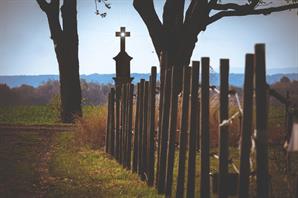
There are those who seem to defy the limitations of aging as they grow into the last decades of life. But the reality is that aging brings inevitable disabilities for everyone.
I am 82 years old. In spite of my age-related challenges, I believe that most of the time I can honestly say life is good.
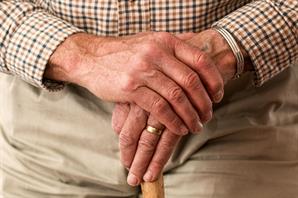
Peter Graber reflects on the realities of aging and how these relate to our use of the term ‘disability.’
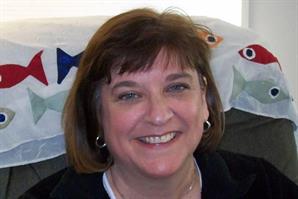
The ADN board is pleased to announce that Jeanne Davies has accepted the board’s appointment as the new ADN Executive Director, effective June 1, 2020.
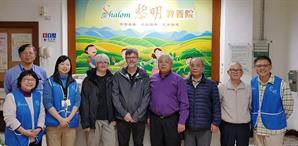
The New Dawn Educare Center is a day care, residential center and sheltered workshop in Taiwan.
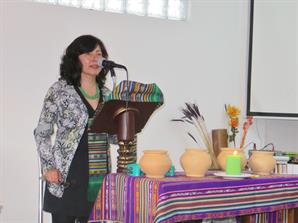
Alexandra Meneses Andrade reflects on the changing attitudes towards people with disabilities as an Ecuadorian Mennonite.
Isaiah’s prophecy about the coming Messiah, well known to so many during this Christmas season, paints a radical picture of the Lordship of Christ.
Rebekah Flores offers a reflection on celebrating Christmas in a time of loss.
Dr. Sarah Jean Barton provides resources and education for congregations seeking to provide trauma-informed care.
Darial Sterling introduces how adverse childhood experiences affect a person’s physical and emotional well-being.
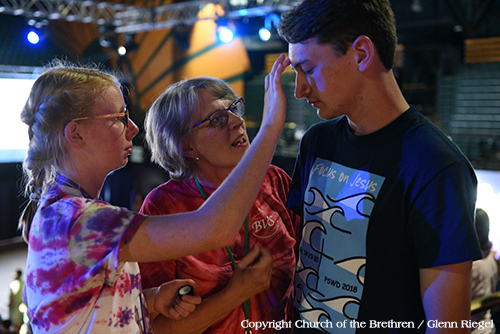
Pastor Staci Williams provides an introduction to trauma and encourages grace and compassion when interacting with people with trauma.
I’ve lived for the past six years with chronic, phantom, pain caused by scar tissue that developed after radiation treatment for a brain tumor.
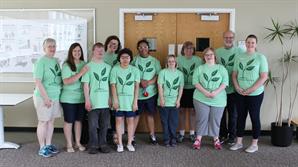
Karen Norton Biddle shares about being part of the We Are Able work camp over the summer.
Rachel Joy recounts a discussion with a Colombian woman about the balance between seeking healing and valuing people with disabilities for who they are.
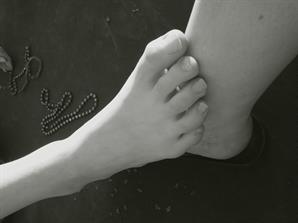
One of the many blessings my youngest son, Luke, who has autism and is nonverbal, has brought me is this: He helps me slow down and live in the present.
A blog about the Intersections of Poverty Culture, Race and Mental Health
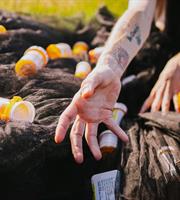
No one knows why auto-immune disease comes, but it does. And when it comes we have to determine how we will deal with one disease, or perhaps several, and maybe a disability or two.
Chris Schaffner offers some practical suggestions for how the church can support those who suffer from drug dependency.
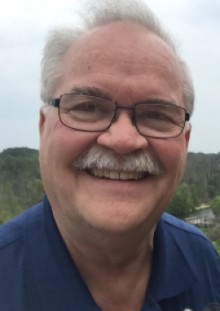
Anabaptist Disabilities Network welcomes Eldon Stoltzfus of Goshen, Indiana, as its new Executive Director beginning May 1, 2019.
“Come thou long expected Jesus, born to set thy people free,” as the Advent hymn goes. Oh yes, these weeks are full of anticipation of Christmas!
Deborah Ferber reflects on finding joy during the Advent season at the L’Arche Community in Inverness, Scotland.
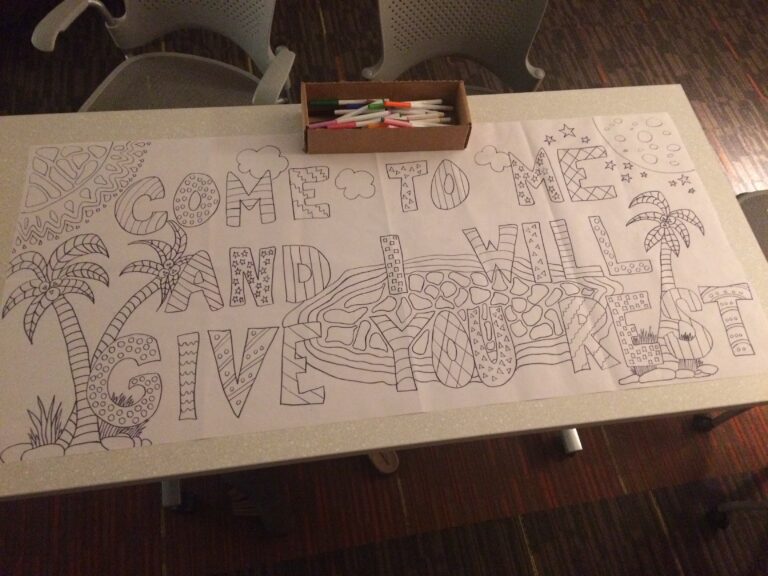
Jeanne Davies talks about “The Oasis” a sensory space created for the recent National Youth Conference of the Church of the Brethren.
It isn’t easy in the slightest to go to a funeral for someone you knew well and cherished, so why would one ever go to a funeral for someone they never even met?
May is Mental Health Awareness Month. A good time to beg the question…. Are our pew-mates who experience persistent darkness finding support here?
Anxiety and depression often escalate during the Christmas season. While the push-and-pull of joyfulness and despair during the advent season is exhausting, sometimes it’s more important to accept the gifts we’re given, regardless of how they’re wrapped.
The Gospel of Luke precedes the birth of Jesus with the birth of John the Baptist. According to Jewish law, custom, and tradition, newborn infant boys were to be named eight days after their birth and were to honor their fathers by being named after them.
On October 13, 2017, folks from a dozen Anabaptist congregations gathered for Anabaptist Disabilities Network (ADN)’s annual Circles of Love Banquet hosted this year at Prairie Street Mennonite Church.
The problem with opposition is that it often hits us blindsided when we are least expecting it.
I’ve lived all my life with Attention Deficit Disorder (ADD). When I entered kindergarten in 1949 few doctors, mental health professionals, teachers, or parents were familiar with ADD (or ADHD).
As mere humans, we are not the “givers” of God’s salvation, hope, or love. That’s God’s work and God’s gift. We are, however, called to provide the invitation and the environment in which all people can connect with the gospel message and grow in relationship with Jesus.
Birthdays are usually times of celebration. We celebrate the fact that one more year was added to a person’s life. For parents of kids with special healthcare needs, birthdays take on a deeper meaning.
Around a turkey dinner families will share words of gratitude and thankfulness. We typically thank God for good health, happiness, leisure time, quality time with family, the changing of seasons, delicious food.
These inspiring stories of spiritual growth among students with differing abilities show ways of worship as individual as they are.
While we rejoice in the promise of God’s presence and comfort through life’s changes, many people face the fear, confusion, of transition. For people with transitioning to new limitations or disabilities, it can be hard to discern what God’s plans are.
October 12, 1982 marks the day when I thought my heart would stop and the world would come to an end.
Pain is such a pain. You can seethe, groan, swear at it, pray over it, even scream, and it is still there. You just want it to go away, but it doesn’t. Finally, you wonder if there is anything you can do to put balance back in your life.
The theme of a conference I attended a conference this past April was April showers bring May flowers: How do we prepare, plant, and cultivate inner (and outer) change in our lives whether quickly or deliberately?
During Tiara Coleman’s most significant experience with depression, suicide, and self-harm her youth pastor Ross reached out to her and entered into her struggles head on.
I grew up in Harrisonburg, Virginia and come from a well-known Mennonite family. In sophomore year I moved from the local public high school to Eastern Mennonite High School (EMHS). This is when I remember life started getting really hard for me.
Peter and Mary Graber share about their daughter Emily’s membership ceremony at Sunnyside Mennonite Church in 2008.
nspired by the life of and love for her brother born with Down syndrome, author Rhoda G. Penny weaves together a fictionalized, but genuine, account of the challenges and triumphs of a family touched by this disability.
Camp Safari began its mission with the focus of providing a Christian camping experience for campers with special needs.

Ministry Models for Expanding the Kingdom of God.
In this article, Lynn Swedberg introduces captioning as an important tool to assure that people with hearing difficulties are able to fully participate in community life.
A few weeks before Easter, the pastor made an announcement that we were going to have a baptismal service. Chrissie looked at me and gestured as if to say “What about me?” I said, “Chrissie, do you want to be baptized?” She said, “Yes!”
My journey with autism has been like the weather in Michigan: days of rain, ice, and snowstorm, but also sunny beautiful days.
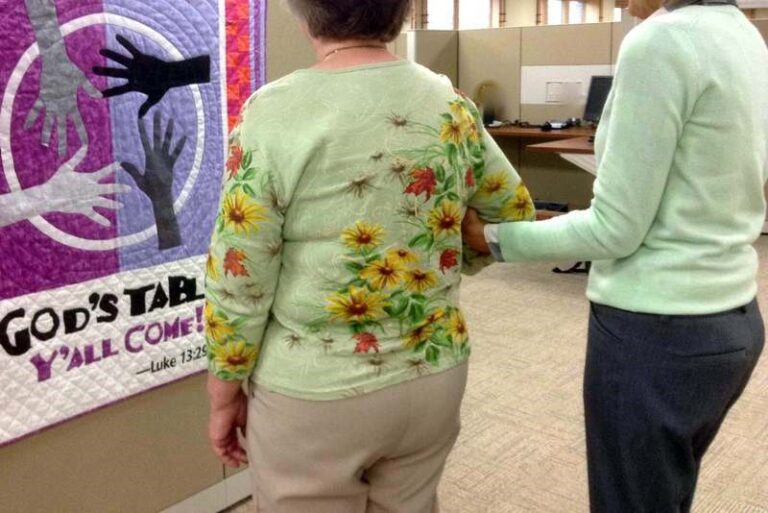
Pastor Don Longmore reflects on his own visual impairment and blindness, offering tips for assisting people who are blind.
When I was 22, I felt God calling me to live and work alongside adults with developmental disabilities. With the gentle nudging of the Holy Spirit and after much discernment I began my life in L’Arche Daybreak in Ontario.
Working five days a week, alternating between a packaging company and a local woodworking shop, Darryl has shown me first-hand the positive effects of working a steady job.
Edwin Cardona Guzman and Jazmin Guzman Carrillo married young, and they were happy to start a family. When their daughter, Jeimy (now 18) was born with Down syndrome, they worried about the hurdles she would face.
Death can be a terrifyingly mysterious thing, especially when it happens in unexpected ways or to the most vulnerable people like children.
Every day, then, I am giving the choice: whether to enter into my disability and share my life with them or whether to stay on the fringes as an ableistic person who sees myself as somehow better.
In 2003, Seattle Mennonite Church initiated a hospitality program for homeless residents in their Lake City neighborhood. Since then the program has blossomed into a comprehensive ministry combining practical assistance with empowering companionship.
“I feel like I have become a bionic woman,” Christine says with a smile. “I get up in the morning and I put on my eyes; I put on my ears; and I put on my teeth.”
I met Bridget at breakfast on Wednesday, on my third trip to the annual Summer Institute on Theology and Disability, this time held in Chicago.
In communities that struggle ecumenically around who can and cannot receive communion, the tradition of washing one another’s feet has become a sign of true Christian unity. I
Our family needed help in responding to paranoid schizophrenia, an unwelcome intruder into our son’s life. We needed others who could come alongside us, who were willing to share our burdens, help us overcome obstacles, and encourage us.