Book Review: Blessed is the Body
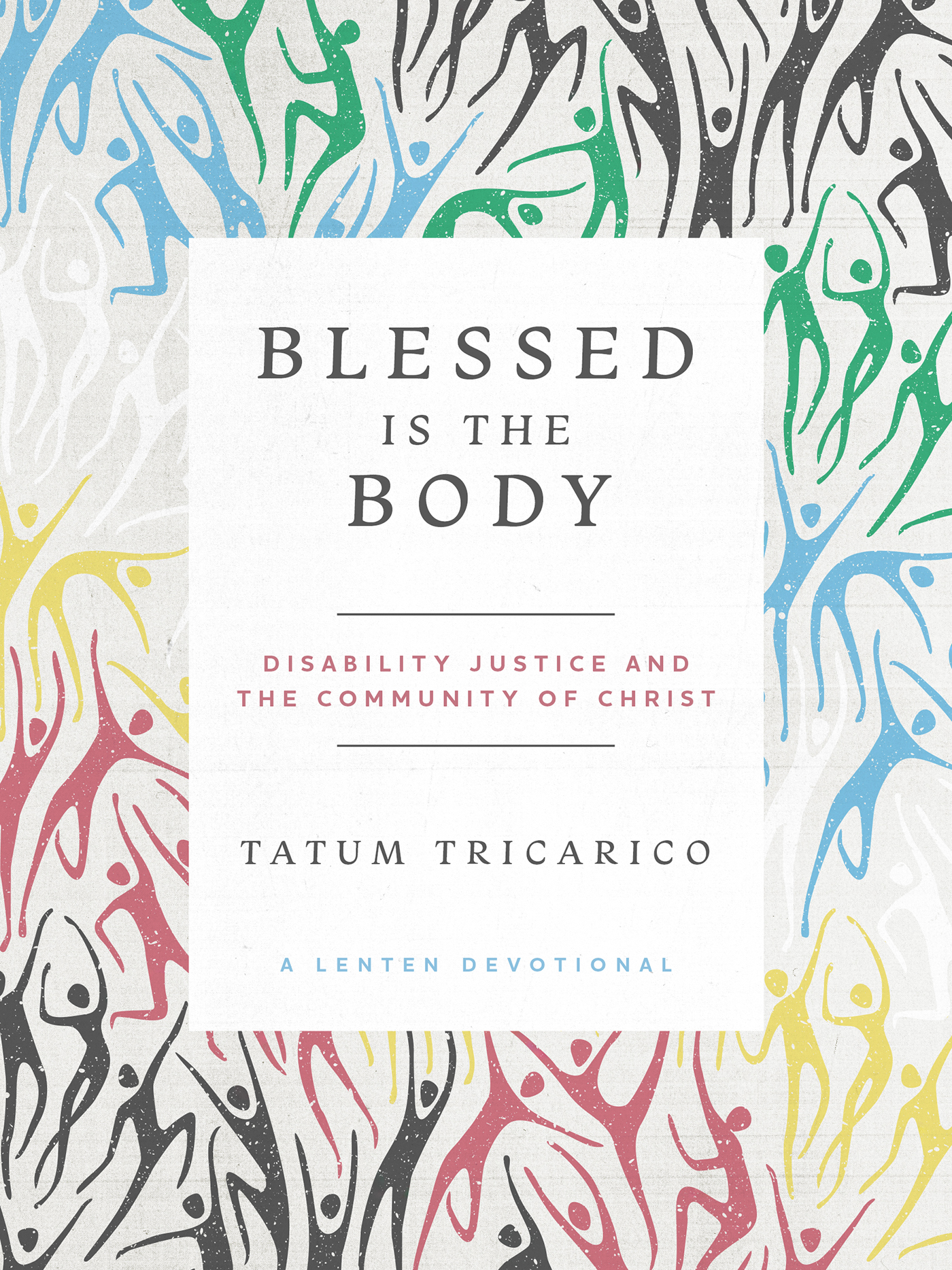
Blessed is the Body: Disability Justice and the Community of Christ by Tatum Tricarico
reviewed by Sarah Werner
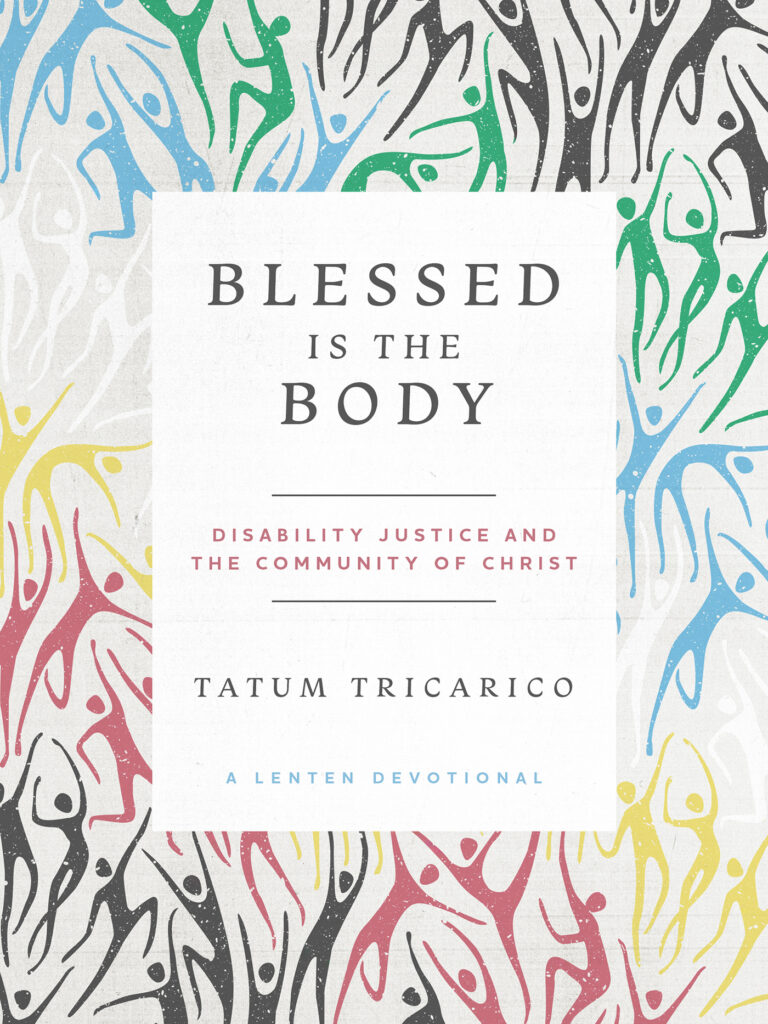
This year’s Lenten devotional from Herald Press, Blessed Is the Body: Disability Justice and the Community of Christ by Tatum Tricarico, is a thoughtful and accessible reflection on biblical texts centering disability and how they can inform the life of the church. Tricarico is an activist, theologian, and director of Christian education at Wesley Memorial United Methodist Church in Charlottesville, Virginia. She weaves her first-hand experience as a blind person and stories of disability justice from US history together with various scripture texts for our Lenten journey.
Each week focuses on a particular passage, and each day includes a short reflection on a few verses of the passage, along with questions to consider and an activity to connect the reflection to daily life. Among the Bible stories featured are the call of Moses, Jacob wrestling with God, and several of the healing miracle stories in the Gospels.
Several themes stood out in the book. The first is that disabled people are an asset to the church because they bring a unique perspective on spirituality. Tricarico shares the insight of Eden, an autistic person, who explains that their neurodivergence allows them to have a heightened sensory experience of the natural world, which gives them a strong spiritual connection to God (47).
Tricarico also pushes back on the all-too-common experience that disabled people have with unwanted attention they receive from religious people who want to pray for their healing. In her discussion of Jacob wrestling with God, she notes that Jacob comes away from the encounter both blessed and disabled. His disability is a visible sign of his blessing, not of a sin or lack of faith. She writes, “The real blessing of disability . . . comes in being able to wrestle with God and with ourselves enough to find blessings in the midst of that wrestling” (66).
Similarly, in her reflection on the healing of the blind man in John 9, Tricarico recognizes that healing stories in the Gospels can more accurately be called “changing stories” (112). She argues, “This concept broadens God’s work and shows that God’s love takes many forms, rather than just a one-size-fits-all cure” (112). In the Gospels, God changes people’s bodies in ways that allow them to once again be part of their community. That change is much more encompassing than simply physical healing.
In the final pages of the book, Tricarico reflects on the powerful image of the Last Supper as told in Matthew 26. She writes, “In the Lord’s Supper, we are pushing against this connection between health and wholeness, recognizing the elements as the broken body and blood of Christ that makes us whole” (170). Christ, in the act of crucifixion, becomes disabled, and relates to our human finitude. After the resurrection, he is recognized by his disability—the scars on his hands and his side—as the story of Thomas demonstrates (John 20:24–29).
Tricarico’s devotional is an excellent resource for congregations and individuals who are interested in reflecting on embodiment and human finitude during the Lenten season. Much more than simply a devotional book, Blessed Is the Body is also a much-needed lesson in disability justice and the wisdom that disabled voices bring to the Christian faith.
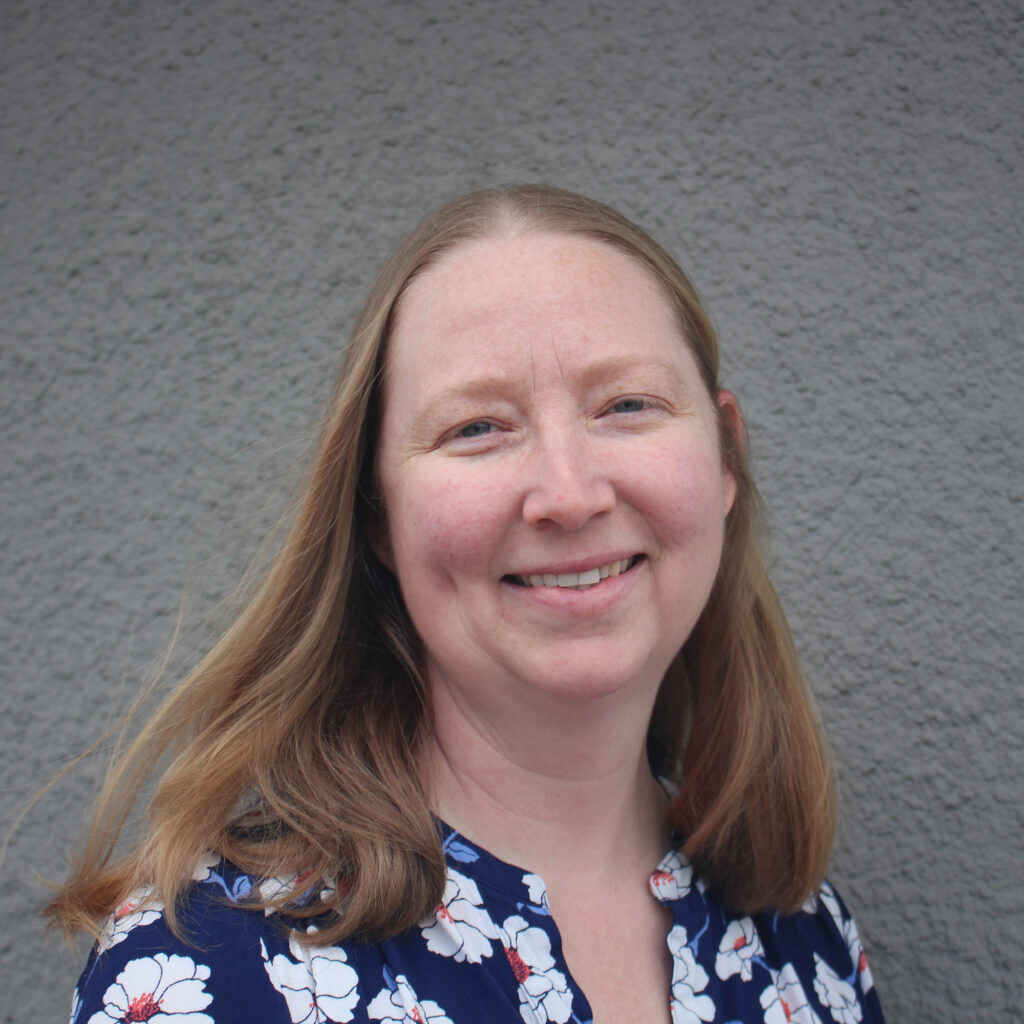
Sarah is the Communications Director at ADN. She has a Master of Divinity from Candler School of Theology at Emory University and a PhD in Religion from the University of Florida. She is leader of Olentangy Wild Church in Columbus, Ohio, and author of Rooted Faith: Practices for Living Well on a Fragile Planet (Herald Press, 2023) and lives in Columbus, Ohio.