Naturally Inclusive
Engaging Children of All Abilities Outdoors
by Ruth Wilson, reviewed by Sarah Werner
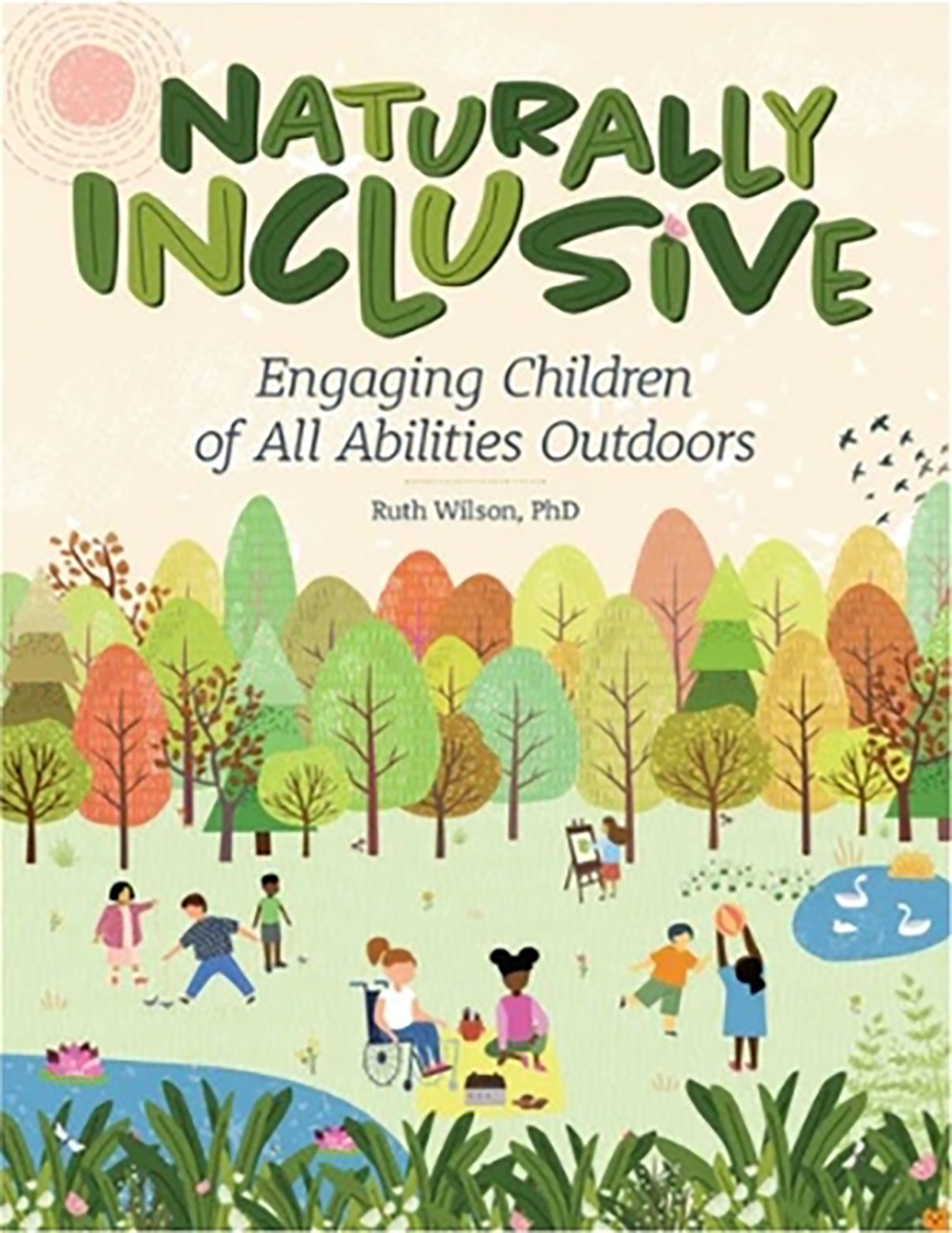
Naturally Inclusive (Gryphon House, 2022) by Ruth Wilson is an excellent resource for parents and educators looking for practical advice on helping young people with disabilities to connect with the natural world. The book combines the latest research in psychology and education with real-world stories from outdoor education programs and preschools to offer guidance for nature-based learning for children with disabilities.
Throughout the book Wilson makes a strong case for the importance of outdoor play as a key way that children learn important life skills. By playing in nature with their peers, children can learn to take appropriate risks, refine their social and emotional skills, and develop empathetic relationships with plants and animals.
In the very first pages of the book, Wilson writes, “We tend to be happier, healthier, more socially engaged, and more creative when nature is an integral part of our daily lives. These benefits apply to people of all ages and abilities when they are physically, emotionally, and psychologically connected with nature” (2).
Wilson offers helpful guidance for nature-based learning specific to children with social and emotional challenges, autism, hearing impairments, visual impairments, motor differences, and developmental disabilities. Children with disabilities often have fewer opportunities to engage in outdoor play than their able-bodied peers, and she offers useful strategies to ensure that children of all abilities can access the natural world. She discusses the foundations for nature-based learning in psychology and also talks about the history of nature immersion programs, from Maria Montessori’s work to the current rise in prevalence of forest preschools.
Naturally Inclusive is an accessible book filled with activity ideas and personal stories along with well-researched theories about the therapeutic benefits of nature. It is an ideal read for parents and educators alike, whether or not they have any prior knowledge of nature-based learning.
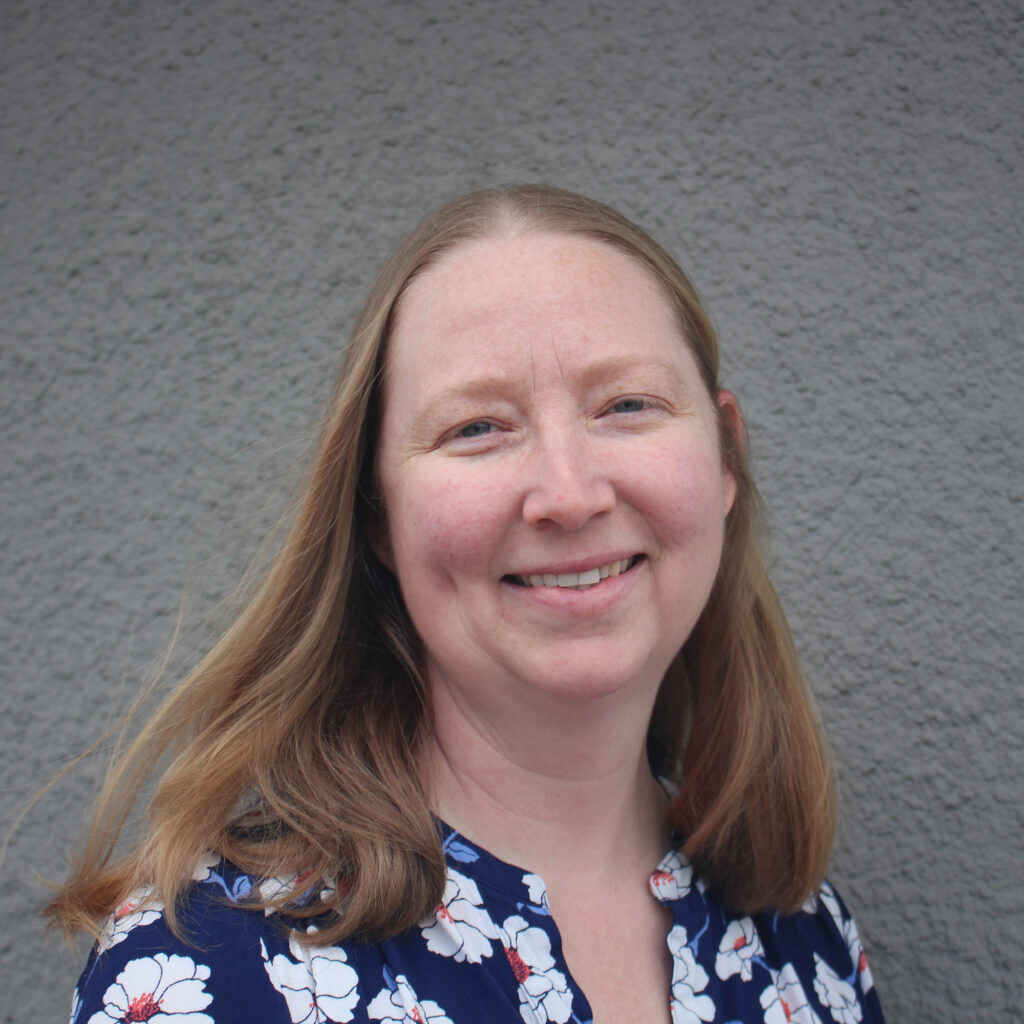
Sarah serves as Communications Director at Anabaptist Disabilities Network, responsible for all communication needs at the organization including social media, outreach, and newsletters. She has a Master of Divinity from Candler School of Theology at Emory University and a PhD in Religion from the University of Florida. She is leader of Olentangy Wild Church in Columbus, Ohio, and author of Rooted Faith: Practices for Living Well on a Fragile Planet (Herald Press, 2023).