Witnesses in a Wonder-full World
by Benjamin T. Conner
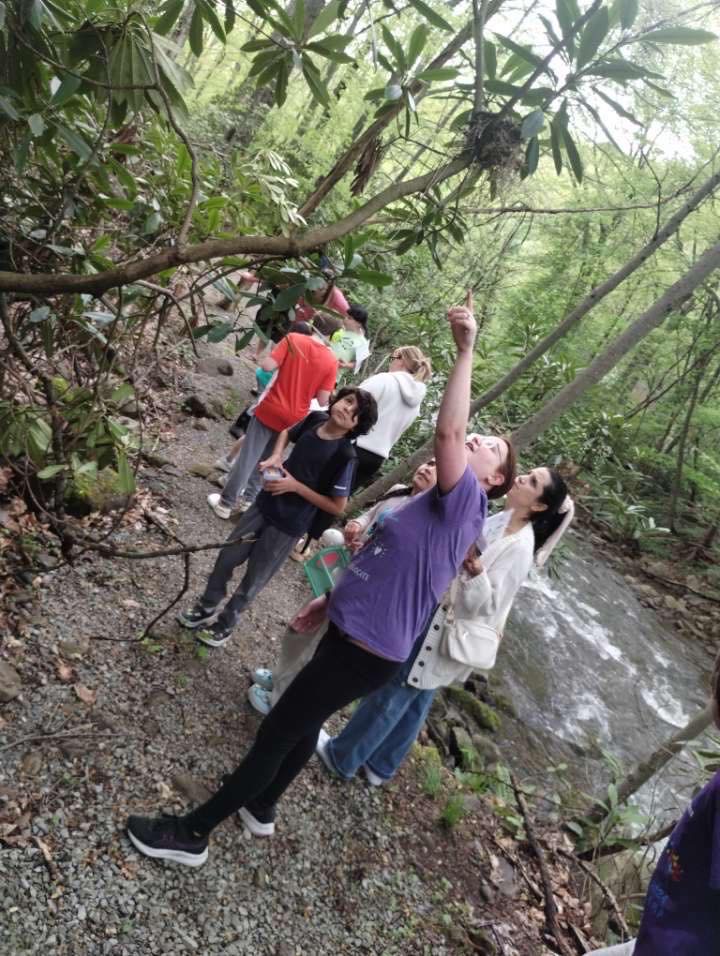
The first step to being a witness in this wonder-full world is to nurture our sense of wonder. Alongside children, we can push against our tendencies toward possession, mastery, and control of the world (and of Christian doctrine) and instead experience the world as co-wonderers who encounter, engage, and embrace the world. This is, in part, why Emily Hunter McGowin insists in God and Wonder, “Theology needs to be challenged by the vision, perspective, and experience of children” (p. 41). Children, all children, are recipients of grace with a vocation to join in God’s ongoing redemptive work in the world as part of a community of faith and according to their gifts and interests. In fact, it could be argued that within the community of faith, wonder is the vocation or special calling of children.
According to McGowin and coauthor Jeffrey Barbeau:
Throughout the educational and philosophical literature, a general consensus emerges that children are natural wonderers. This is in large part due to their lack of experience with the world. They also possess what appears to be an inherent humility and guilelessness, being accustomed to not knowing things and lacking control of their surroundings. (p. 40)
What is wonder?
- Wonder is for all of us. Even though children seem to have a greater capacity for wonder, wonder is not something we outgrow. All good theology is grounded in wonder, not mastery or control.
- Wonder is both an emotional response and a way of knowing. Knowing through wonder is experiential. Such knowledge is accessible and is open to all intellectual capacities, modes of mobility, and the range of social skills and embodiments.
- Wonder makes everyday encounters revelatory. Wonder connects us to things outside of ourselves. Wonder moves us from observing a collection of objects to engaging a world of subjects.
- Wonder is related to humility. Wonder is evoked in our ignorance through our encounter with something beyond ourselves, so pride is not an option in this way of knowing.
For more on wonder, see William P. Brown’s Sacred Sense: Discovering the Wonder of God’s Word and World (Eerdmans, 2015).
In wonder, and with children as our guides, we can experience nature as “naturally inclusive.” When it comes to ability and disability, revelation is a multisensory self-communication of God’s goodness and love that accommodates all embodiments, ages, and cultures. Ruth Wilson’s cleverly titled book, Naturally Inclusive: Engaging Children of All Abilities Outdoors (2022) is extremely valuable for considering and exploring both divine accommodation in self-revelation and for appreciating the ways in which children, especially those with intellectual and developmental disabilities, are spiritual, express faith, worship, and give a wonder-full witness.
One way to foster this wonder-full approach to witness is to suspend, attend, and befriend.
Suspend—Temporarily withhold judgment.
- Suspend any bias we might have toward God’s self-revelation in nature (another “book” of revelation)
- Suspend our desire for tight categories of understanding and our dependence on our rational minds and be open to experiential, intuitive, and nonlinear ways of knowing.
Attend—Be present to, take part in, or accompany.
- Attend to how the children are experiencing nature.
- Attend to how we are experiencing awe, wonder, and a sense of being connected.
- Attend to the wisdom of the animals. “Ask the animals, and they will teach you; the birds of the air, and they will tell you.” (Job 12:7 NRSVUE)
- Talk to the animals and be taught by them.
- Listen to the earth. Thomas Berry, in Befriending the Earth, explains, “We are only talking to ourselves. We are not talking to the rivers, we are not listening to the wind and stars. We have broken the great conversation” (p. 20).
Befriend—Start a friendship with creation by joining the conversation and showing interest through offering “deep attention,” which is an expression of prayer. Recognize that when we connect with creation, we are part of a communion of subjects rather than a collection of objects.
- Befriend our childlike nature and curiosity.
- Befriend creation, non-human animals and plants.
When we descend to transcend, we dig deeper into the dirt, lean deeper into our childlike curiosity, attend more closely to the reactions and perceptions of children, and descend into the animal world to experience transcendence by finding God already there. Then we bear witness to that divine presence.
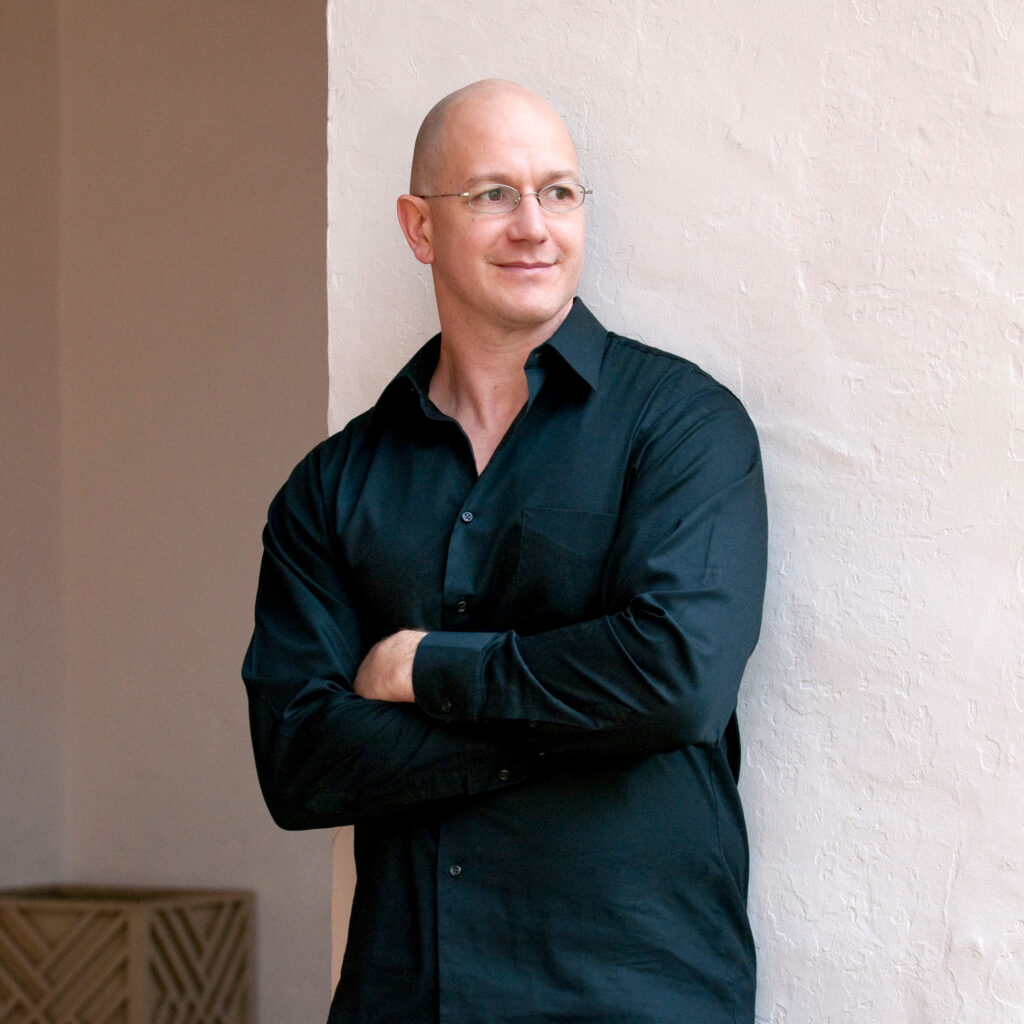
Benjamin T. Conner, Ph.D., professor of practical theology, directs the Center for Disability and Ministry at Western Theological Seminary in Holland, Michigan. The center supports ministry leaders of all abilities in nurturing and receiving the gifts and contributions of persons with disabilities through formational opportunities, including theological education, consultation, forums, and publications. His writings include Amplifying Our Witness: Giving Voice to Adolescents with Developmental Disabilities (Eerdmans, 2012) and Disabling Mission, Enabling Witness: Exploring Missiology Through the Lens of Disability Studies (IVP Academic, 2018), among others. His forthcoming book, Harmony with Horses: A Christian Vision of the Horse-Human Relationship (Cascade, 2027), coauthored with his wife, Melissa Conner, a leader in equine-assisted services.