Accessible Bible Translations
by Peter Goerzen
When the scribe Ezra brought the finished Torah (first five books of the Bible) to Jerusalem around 458 BC, he held a public reading of it “from early morning until mid-day,” with Levites on hand to help the people understand (Neh. 8:3–8). Most people could not read, so their primary access to the Hebrew Scriptures was oral. The same is true of New Testament writings. Phoebe probably delivered Paul’s letter to the Romans by reading and explaining it aloud (Rom. 16:1–2).
The accessibility of the Scriptures has been a priority since the beginning of what we know as God’s written Word.
Major efforts at translating the Scriptures into people’s common languages began around 250 BC, first into Greek. Around the time of Jesus, Aramaic dialects were common in Galilee and Judea. Scripture readings were from Hebrew, with an Aramaic interpreter on hand to provide access to understanding in the common language.
There are other modes of accessing Scripture as well. Much of the Bible’s poetry was set to music, such as the Psalms. Ancient Israel built monuments to remember God’s covenant and saving acts (Joshua 4; 24). Ritual meals like Passover and the Lord’s Supper connect stories from Scripture to taste and nourishment. An ancient practice involves reciting God’s saving acts when bringing one’s offering (Deut. 26:3–10). Early Christians illustrated biblical passages on catacomb walls. Later, Christians would tell biblical stories in the mosaics, paintings, iconography, and stained glass that adorned their sanctuaries. Plays were given to re-enact the biblical stories.
Each of these remains important for accessibility today: reading aloud, explanation, translation and interpretation, music, ritual meals, visual art, and drama. Leaders have the responsibility of ensuring access to the Scriptures for all members of the community, and each kind of access deepens the understanding of all.
Accessible translations of the Bible are one important piece of this larger commitment to access. Translations land on a continuum from formal word-for-word to dynamic thought-for-thought. Readers often find thought-for-thought translations to be more accessible.
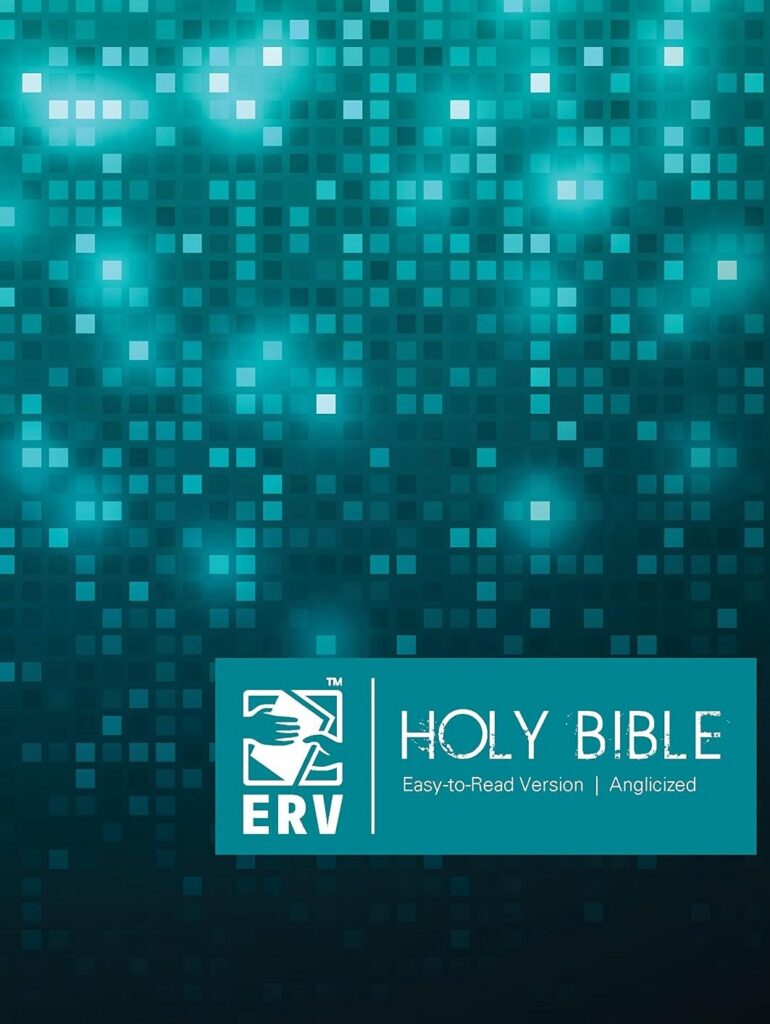
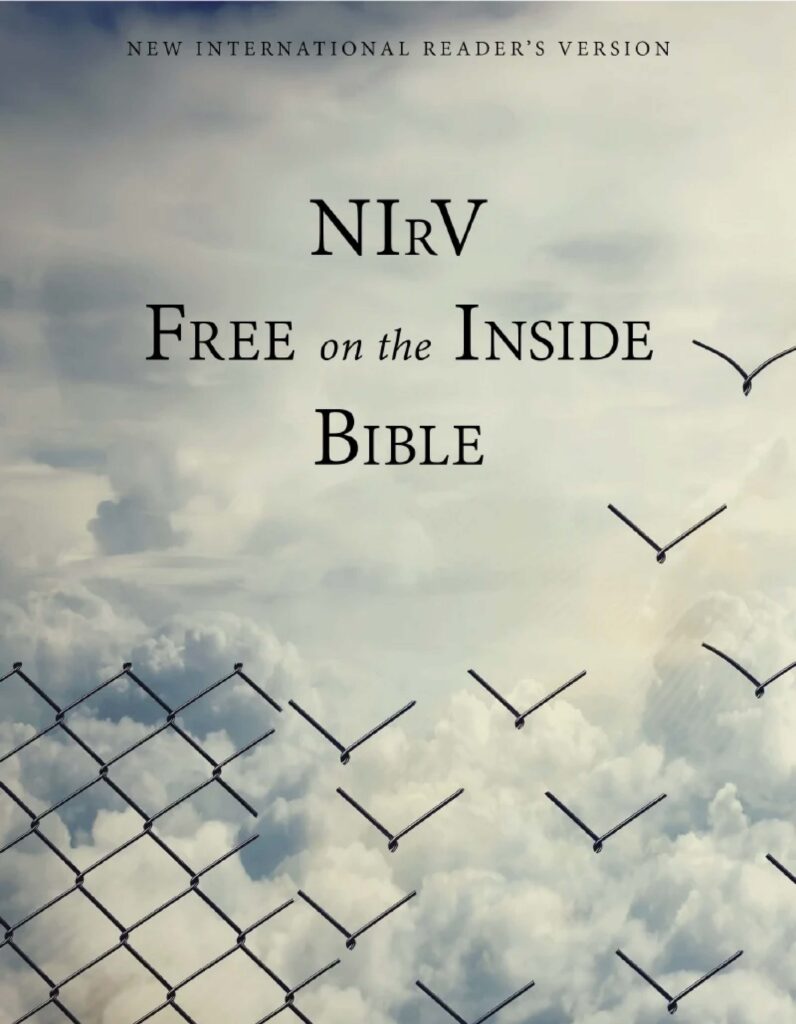
Reading level is another consideration for accessibility in translations. Several translations are aimed at a third grade reading level. The 1978 English Version for the Deaf (EVD) was an early accessible translation project. Its descendants include the International Children’s Bible (ICB), the New Century Version (NCV), and the Easy-to-Read Version (ERV). The New International Reader’s Version (NIrV) is an accessible revision of the popular New International Version. The Easy English Bible (EASY) places strict restrictions on vocabulary and sentence structure.
Popular translations aimed at a somewhat more advanced reading level include the New Living Translation (NLT, grade 6), the Common English Bible (CEB, grade 7), the Christian Standard Bible (CSB, grade 7),and the New International Version (NIV, grade 8).
In addition to the translation itself, the publication layout can help or hinder access. Bible publishers are providing formatting and reading tools for readers with ADHD or dyslexia. Zondervan’s Clear Focus Bible is available in several translations, and Holman’s Grace Bible provides a dyslexia-friendly presentation of the CSB. Numerous audio Bibles are also available at BibleGateway.com.
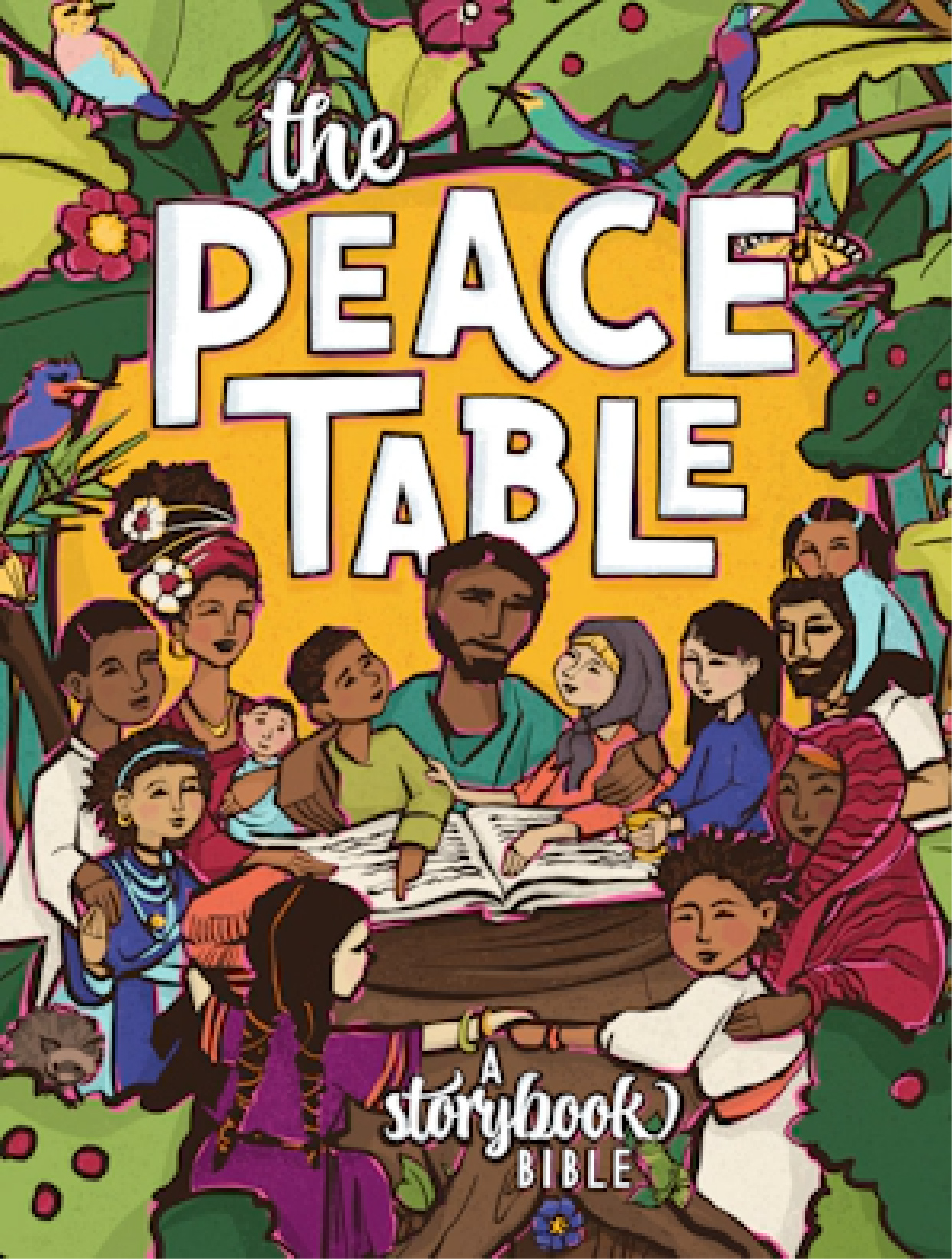
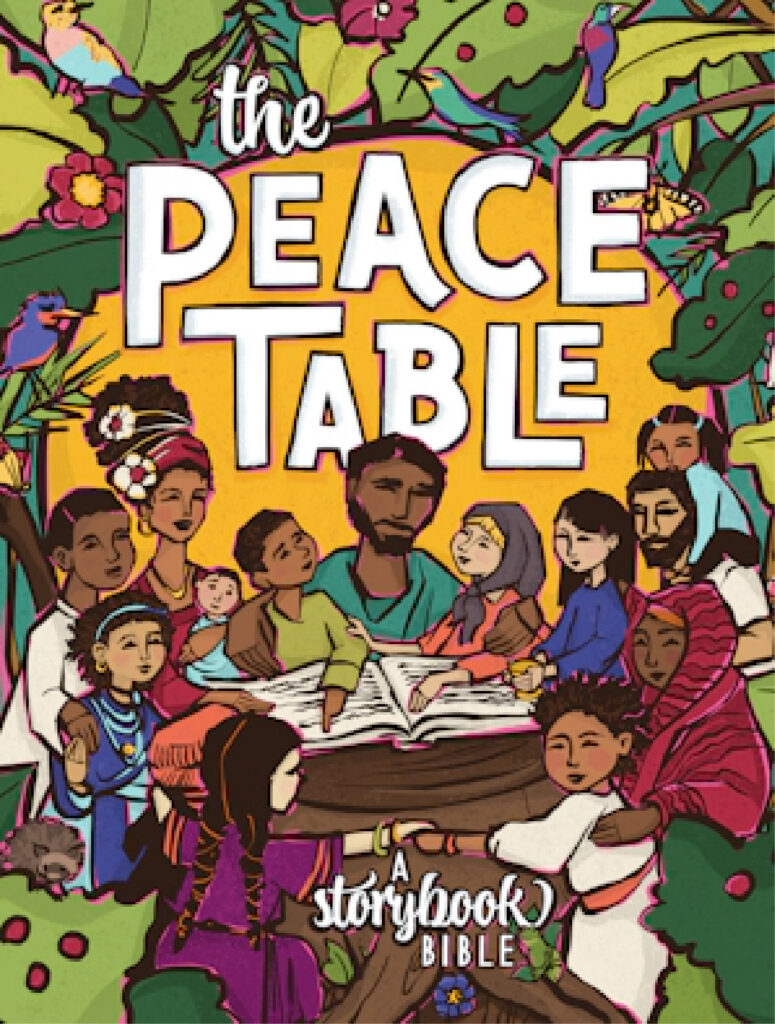
Finally, storybook Bibles provide accessible summaries of select biblical stories, often with illustrations and faith formation prayers, questions, and exercises. Recent Anabaptist storybook Bibles include Shine On and The Peace Table. The stories are well chosen and beautifully paraphrased. These Bibles present vivid illustrations from artists from around the world. No translation is perfect, and each reader’s strengths and needs are unique. Access to the Bible is the responsibility of the faith community, and churches have many resources—both ancient and contemporary—for ensuring that each member has access to the Scriptures.
Special thanks to Faith and Life Bookstore Manager Bethany Martin, Western District Conference Resource Librarian Jennie Wintermote, and Bethel College colleague Trent Voth for consultation on this project.
Peter Goerzen teaches biblical studies at Bethel College (KS) and is ordained in Mennonite Church USA. His spouse, Katherine, is pastor of Tabor Mennonite Church. They live in North Newton, Kansas.