
Accessibility Resolution Passes
Mennonite Church USA unanimously votes to grow in accessibility for people with disabilities.

Mennonite Church USA unanimously votes to grow in accessibility for people with disabilities.
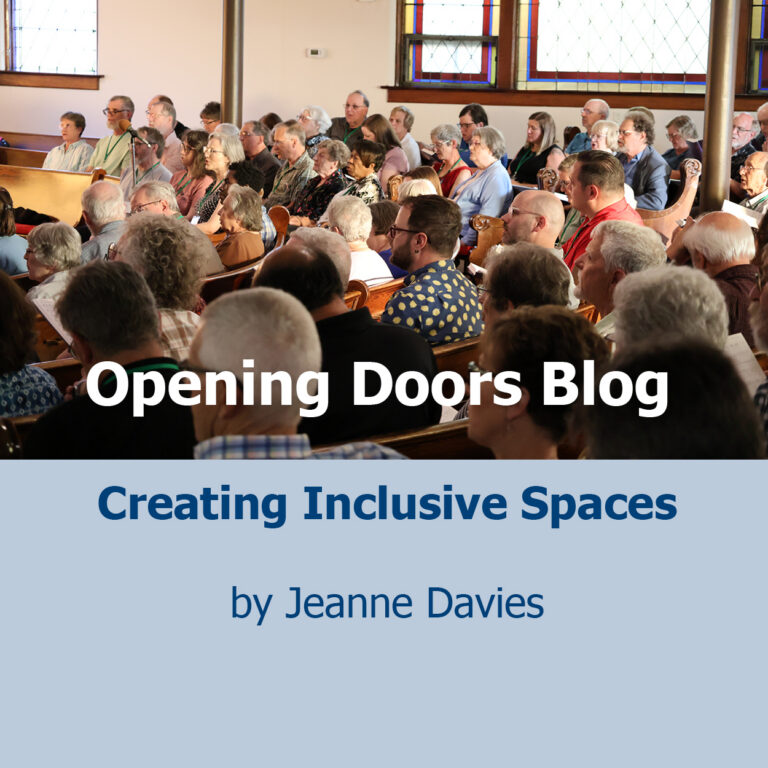
Often disability inclusion is simple. When we are attentive to the relationships with people in our congregation, we can make accommodations that do not require a committee nor a lot of money.
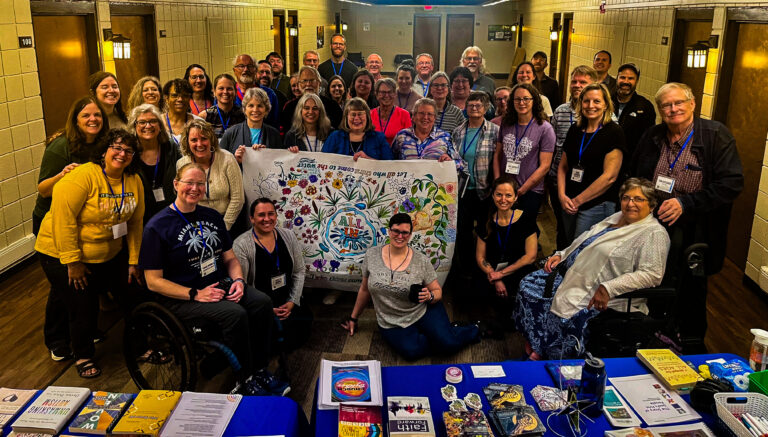
Last week 41 participants from 19 congregations in 9 states gathered for a retreat to kick off the All In Project at Laurelville Retreat Center in Mt. Pleasant, Pa.
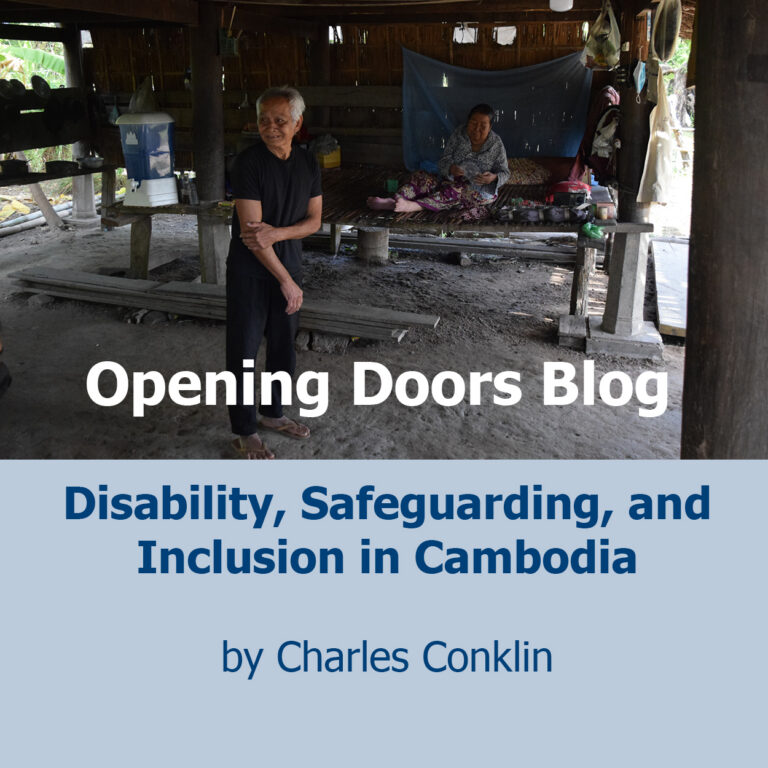
Charles Conklin reflects on his time with MCC in Cambodia where he worked on safeguarding policies for people with disabilities.
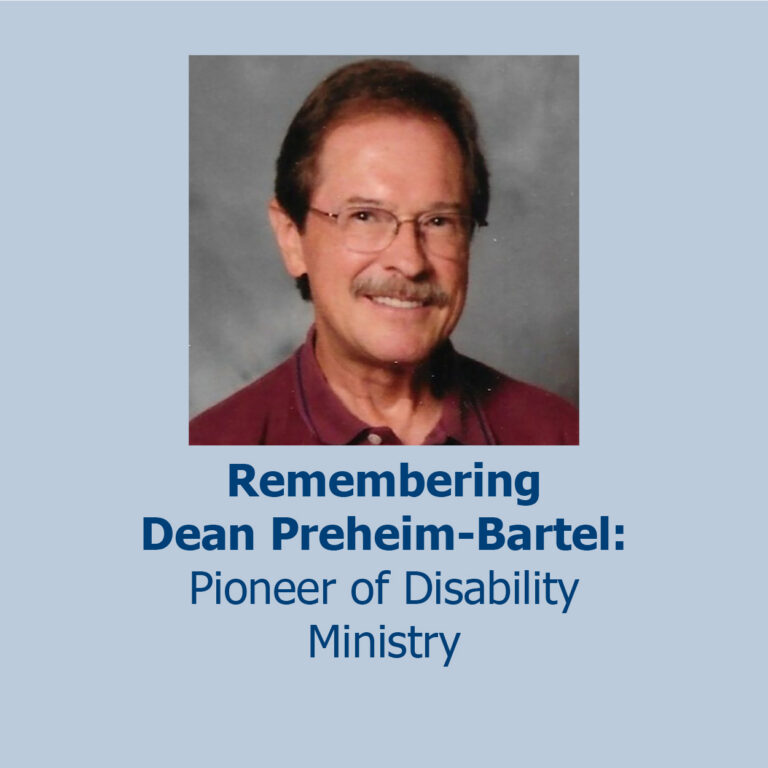
Dean Preheim-Bartel, a forerunner in disability ministry, died on February 5, 2026, in Goshen, Indiana at the age of 78. Dean was a leader of disability and mental health ministry for Mennonite Central Committee (MCC) and Mennonite Mutual Aid (MMA).
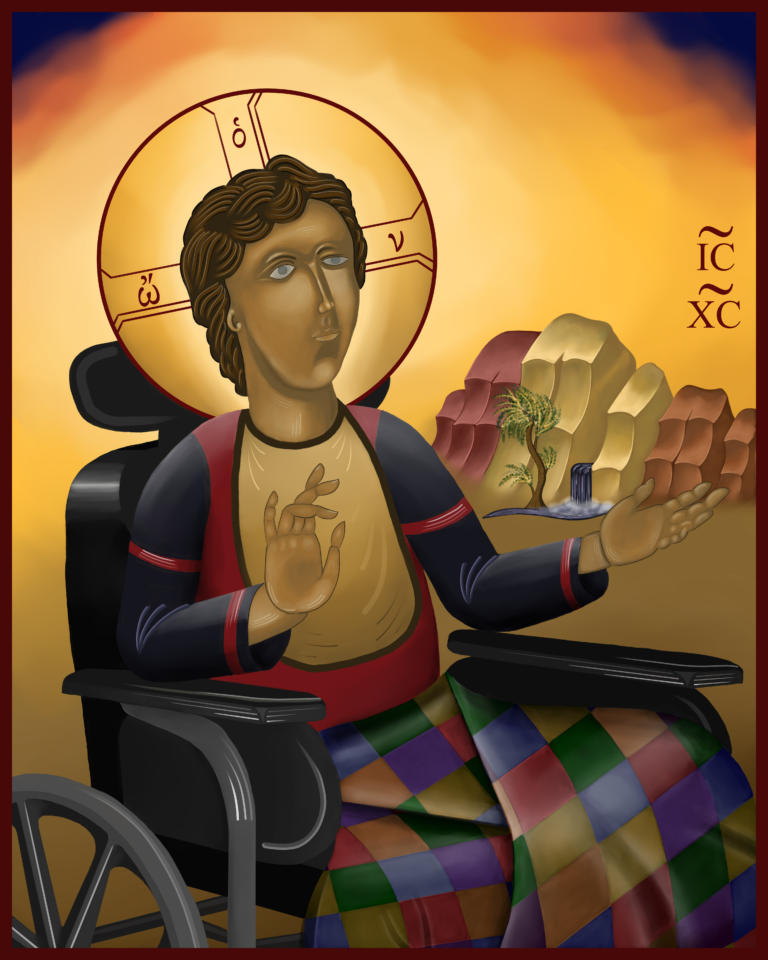
Pastor Derek Yoder reflects on his spiritual journey as a minister to people with intellectual and developmental disabilities, and how he came to create the icon, Christ of the Wheelchair.
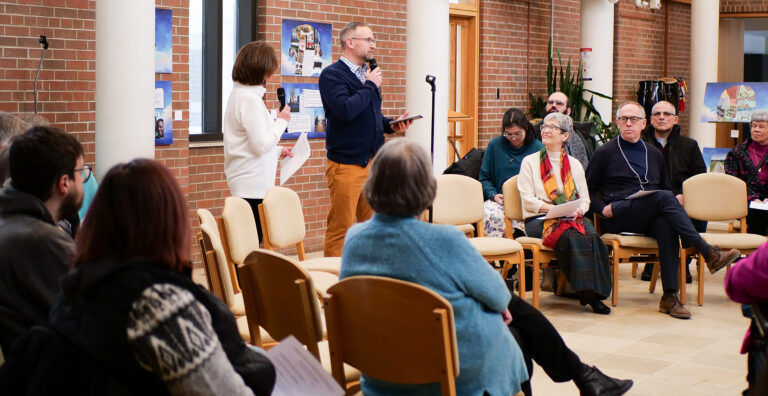
Keith Dow reflects on the Images of God project, a collaborative artistic effort with participants with intellectual disabilities.
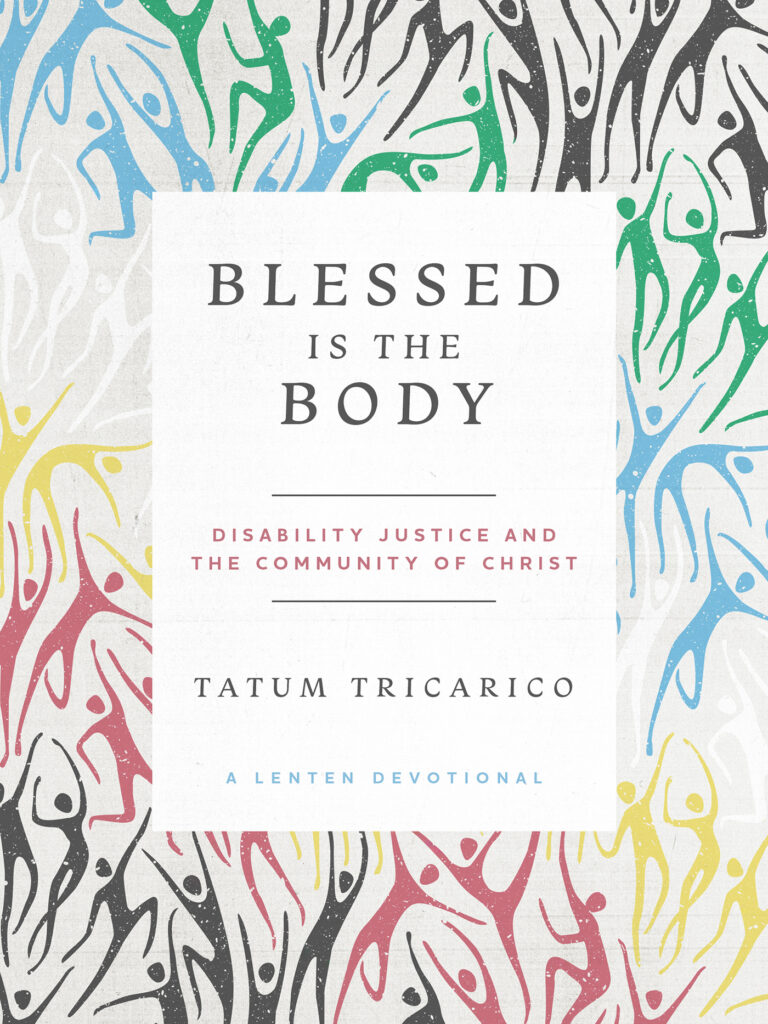
This year’s Lenten devotional from Herald Press, Blessed Is the Body: Disability Justice and the Community of Christ by Tatum Tricarico, is a thoughtful and accessible reflection on biblical texts centering disability and how they can inform the life of the church.
We Are Able, a service-learning camp for adults with intellectual disabilities, will be held this summer at Amigo Centre in Sturgis, Michigan.
Jonathan Shively began his role as board president of Anabaptist Disabilities Network on February 1, 2026.
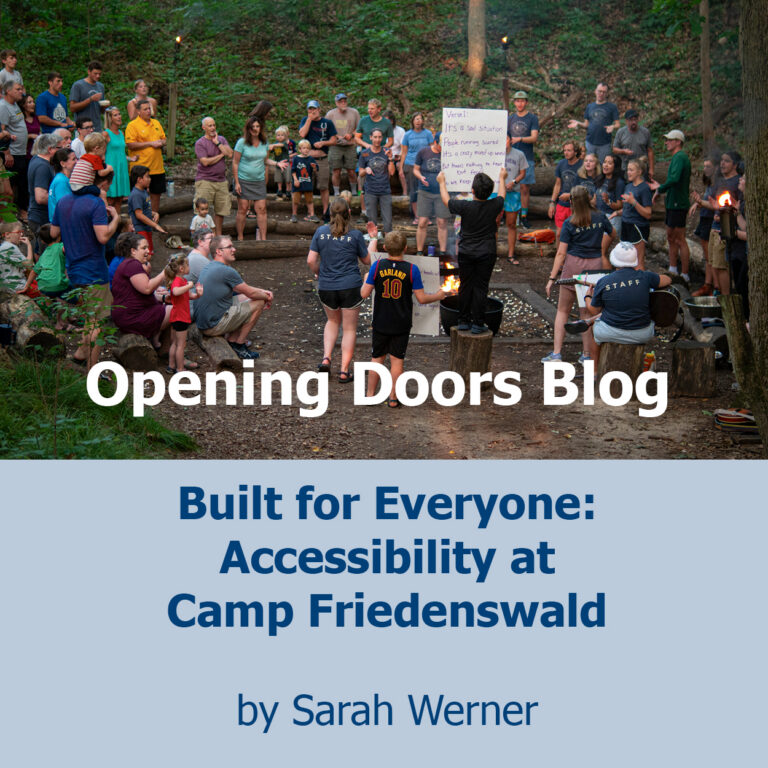
Camp Friedenswald, a Mennonite camp in southern Michigan, has worked hard to make their camp a place that is accessible and welcoming for people of all abilities.
Nineteen congregations have been chosen to participate in the All In collaborative project, exploring ways to worship that are multisensory and accessible for people of all ages and abilities, especially children with disabilities.
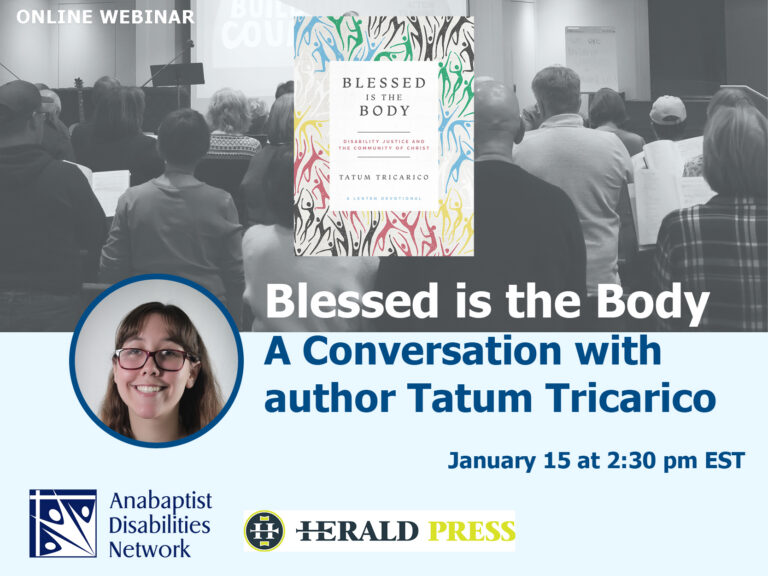
Anabaptist Disabilities Network and Herald Press invite you to a webinar with Tatum Tricarico, author of Blessed is the Body, a Lenten devotional centered around disability justice.
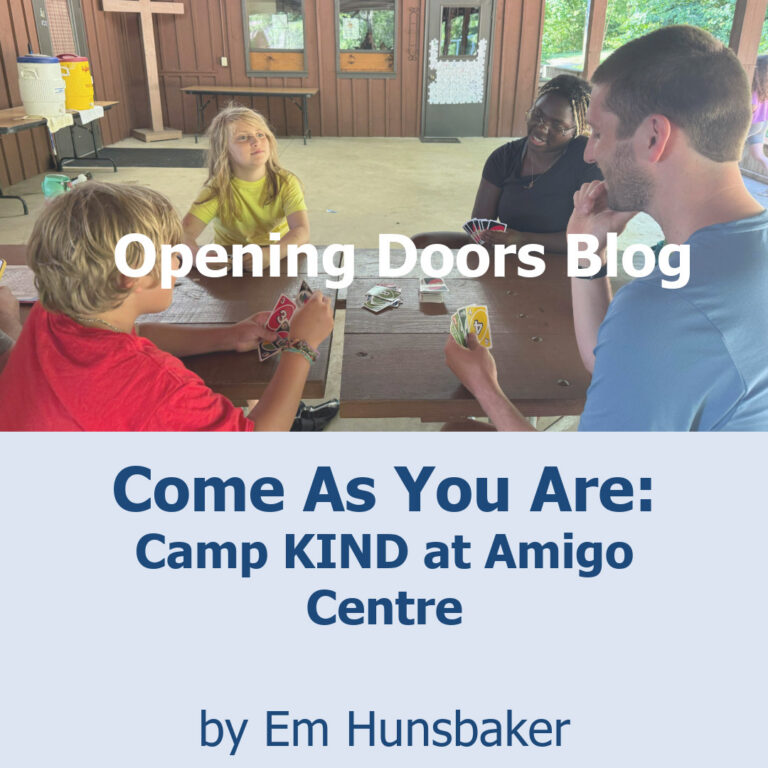
Camp KIND demonstrated the beauty of community by calling out each other’s gifts, gently loving people’s weaknesses, and fostering feelings of belonging and unity among participants and staff alike.
What if our Church gatherings were designed with everybody in mind – from toddlers to elders, from disabled folks to neurodivergent thinkers?
All In Project Director Keli Boyer led a conversation about the All In Project: the application process, our resource partners, and the five-year plan for pilot congregations.
Keli Boyer talks about the All In Project, ADN’s latest venture, made possible by a grant from the Lilly Foundation.
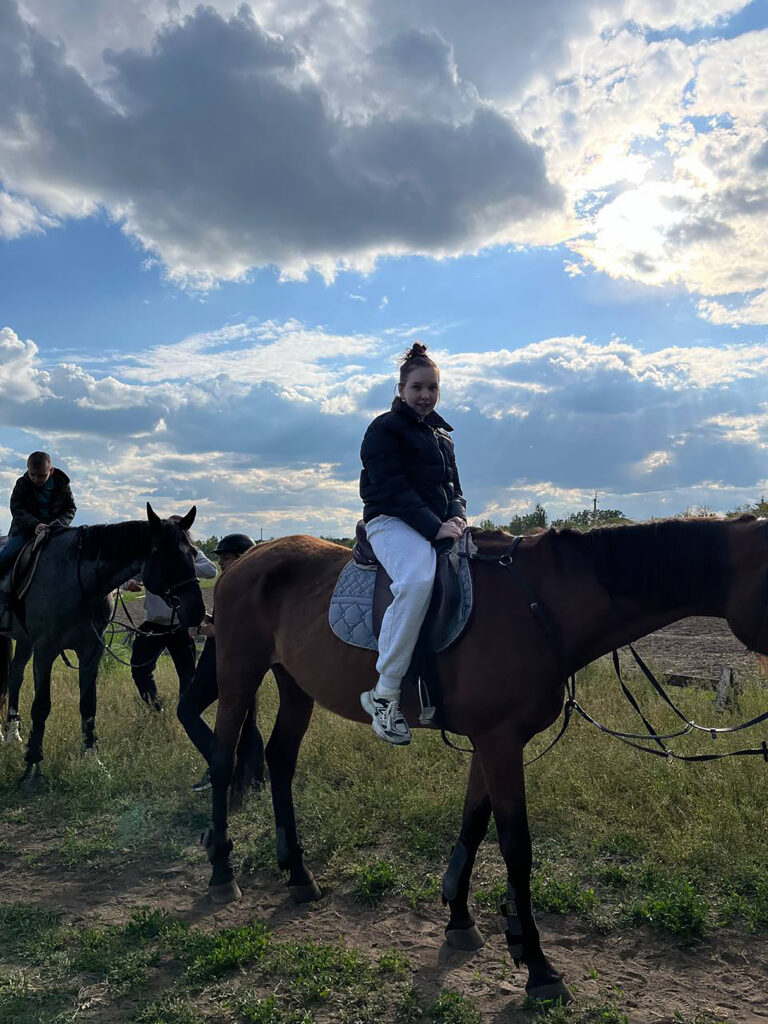
Joe Landis shares about the Prometheus School in Ukraine and their important work with children with disabilities.
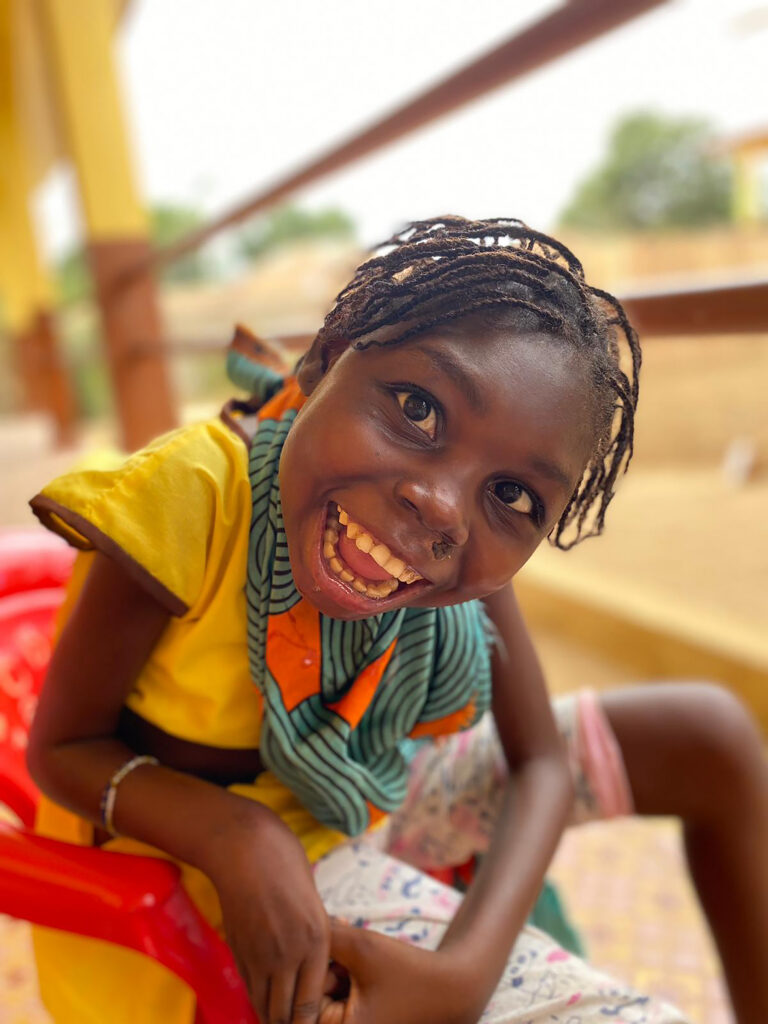
Heleen Yoder talks about the work of Nyandengoh!, an organization in Sierra Leone that works with children with disabilities.
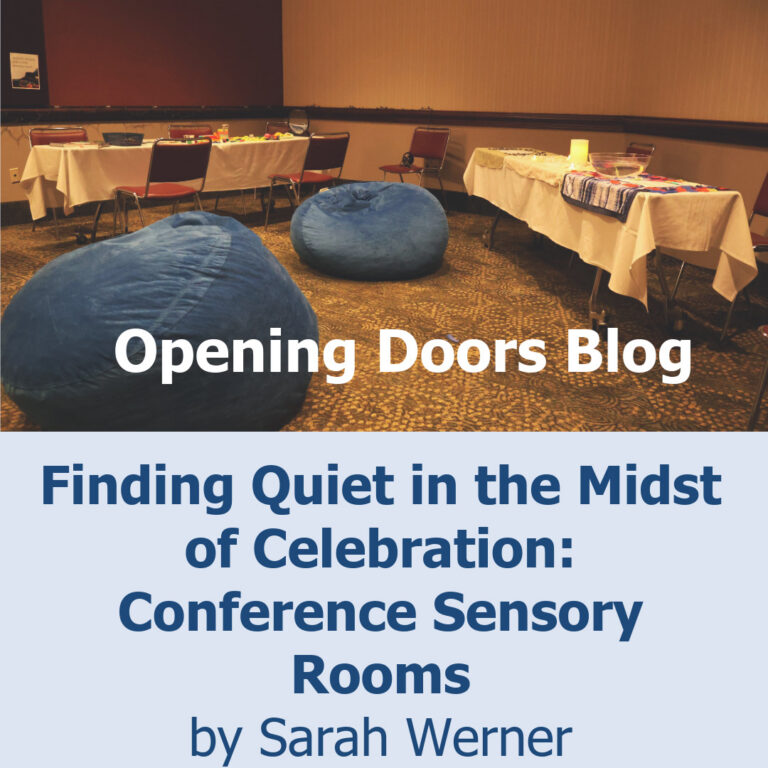
Sensory rooms are needed places of quiet in the midst of celebration. Here Sarah Werner shares about the sensory room at Mennonite Church USA’s biennial convention.
Board member and field associate JE Misz shares advice for how churches can welcome people with anxiety.
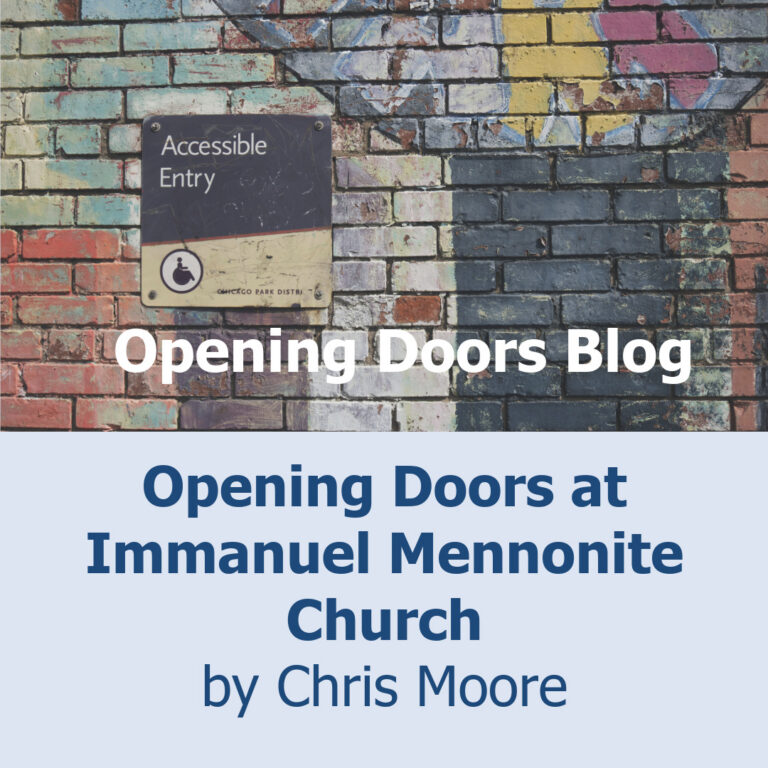
Chris Moore shares about the barrier free grant that Immanuel Mennonite Church in Harrisonburg, VA received.
Are you curious about the All In project and wondering if it might be a good fit for your church? Join us for a live All In Info Session on September 30th at 6 PM Central/7 PM Eastern. We’ll share what participating congregations can expect and leave time for Q&A at the end.
Kathy Dickson shares about her experience in a community CPE placement that helps people with disabilities.
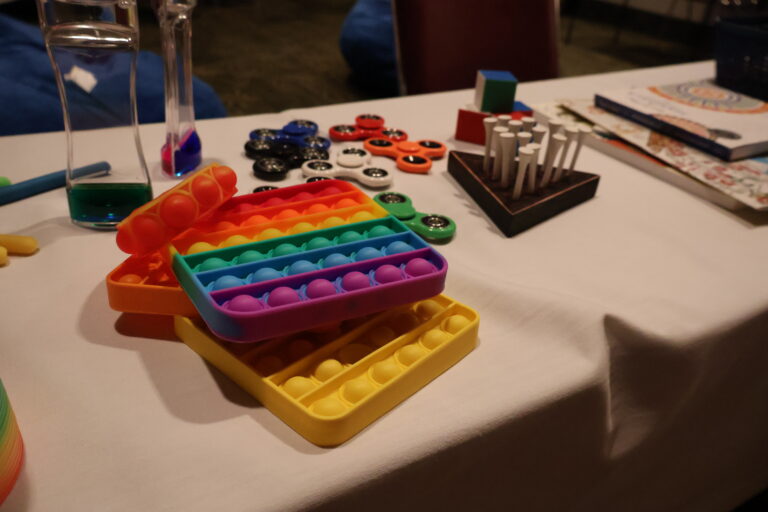
A sensory space is a designated space that has fidgets, weighted blankets/lap pads, rocking chairs, wobble cushions, noise-reducing headphones, coloring, and other aids that help increase calm and focus for people who have sensory processing disorders, ADHD, anxiety or are autistic.
Do you have a sensory space in your worship space (or do you want to have one)? Where is it located in the worship space? How did you create it? What did you put in it? Who uses it? What has been helpful? What has been challenging? What benefits have you seen?
ADN and the CoB’s Discipleship and Leadership Formation department renewed their partnership to provide training, education, and resources that support congregations in becoming more inclusive of people with disabilities and mental illness.
ADN and the CoB’s Discipleship and Leadership Formation department renewed their partnership to provide training, education, and resources that support congregations in becoming more inclusive of people with disabilities and mental illness.
ADN and the CoB’s Discipleship and Leadership Formation department renewed their partnership to provide training, education, and resources that support congregations in becoming more inclusive of people with disabilities and mental illness.

Sharon Brugger Norton shares about wild church and how it is accessible to neurodivergent people.
ADN and the CoB’s Discipleship and Leadership Formation department renewed their partnership to provide training, education, and resources that support congregations in becoming more inclusive of people with disabilities and mental illness.
ADN offers workshops, exhibits, accessibility services at 2025 MC USA Convention and Annual Conference
ADN and the CoB’s Discipleship and Leadership Formation department renewed their partnership to provide training, education, and resources that support congregations in becoming more inclusive of people with disabilities and mental illness.
The Story of God’s First People draws from key stories of the Old Testament with an Anabaptist perspective.
“All IN: Immersive Worship for Everybody” project will increase involvement in worship and in the faith community.
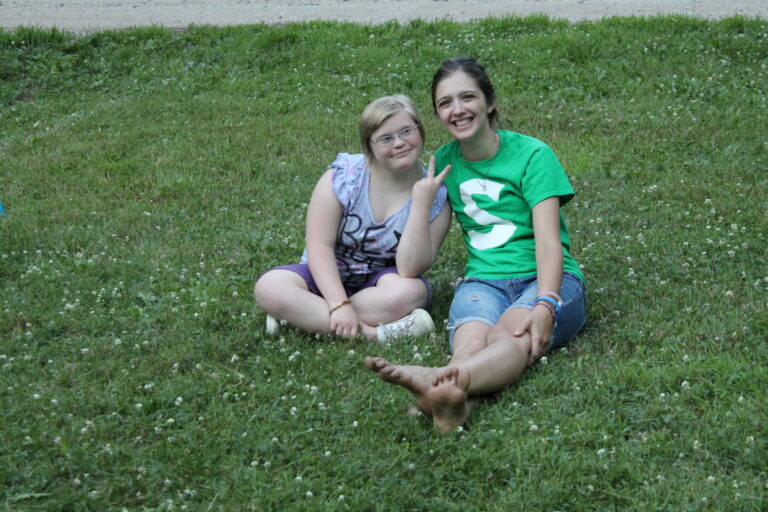
Register for this family camp for children with disabilities, June 30 – July 3!
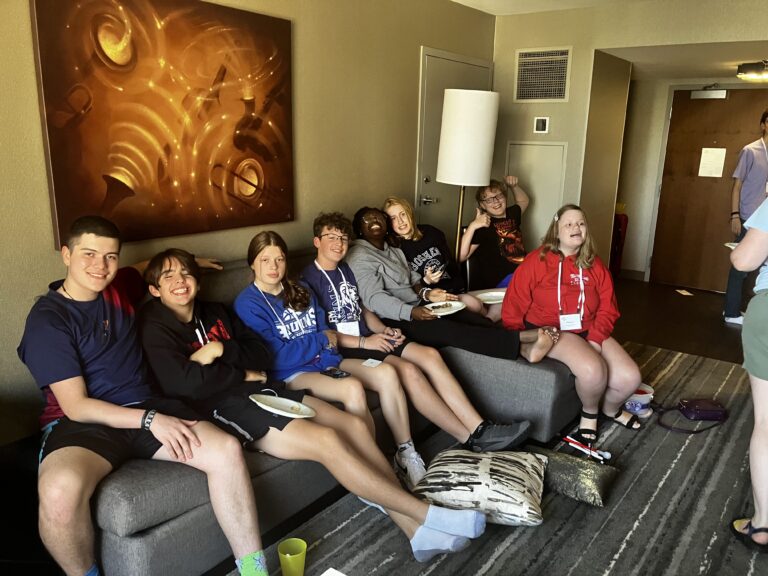
In this engaging interview, Eleanor Habecker shares stories of connection related to her blindness and faith.
As a blind pastor, Brandon Grady uses the eyes of his soul to guide him.
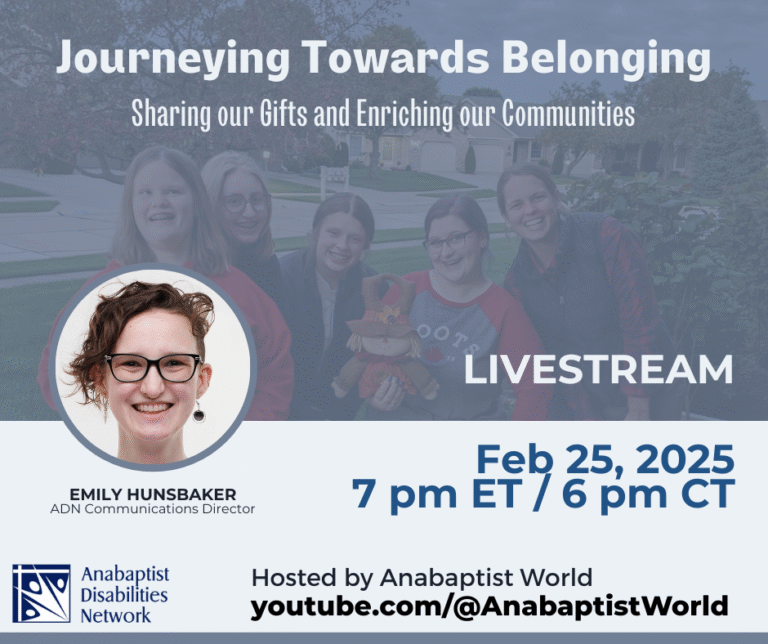
Communications Director Emily Hunsbaker presents “Journeying Towards Belonging: Sharing our Gifts and Enriching our Communities.” Incorporating the gifts of people with disabilities in our congregations, Emily welcomes viewers to begin the journey of becoming a place where people with disabilities share in the ministry of the congregation.
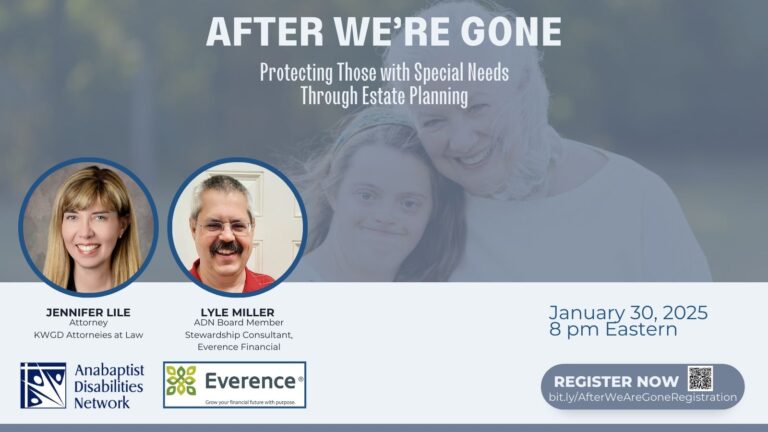
Attorney Jennifer Lile and Stewardship Consultant Lyle Miller discuss the unique aspects of estate planning for families of those with disabilities.
In this poem, Kathryn Newswanger challenges the notion that people who are neurotypical decide what is normal.
A song by Ann Hamlin acknowledges her anxiety of a future after her caregivers pass away.
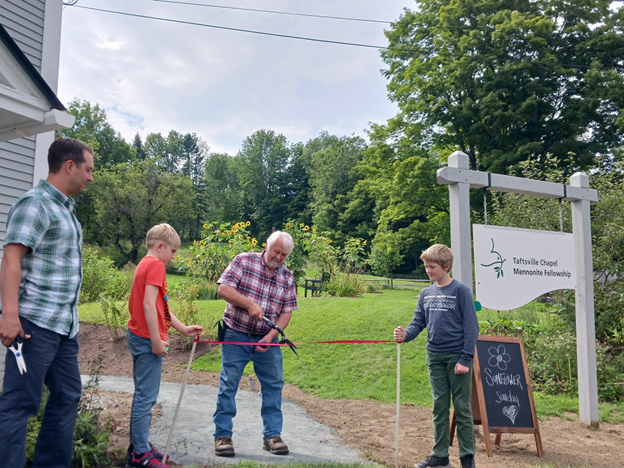
Steve McCloskey, Pastor, shares the church’s theological journey that led to the installation of the accessibility ramp.
MHS Association Estate Gift to Support Work of Anabaptist Disabilities Network

Ann Hamlin recenters us on what is truly important, God’s gift of love, in this Christmas-themed song.
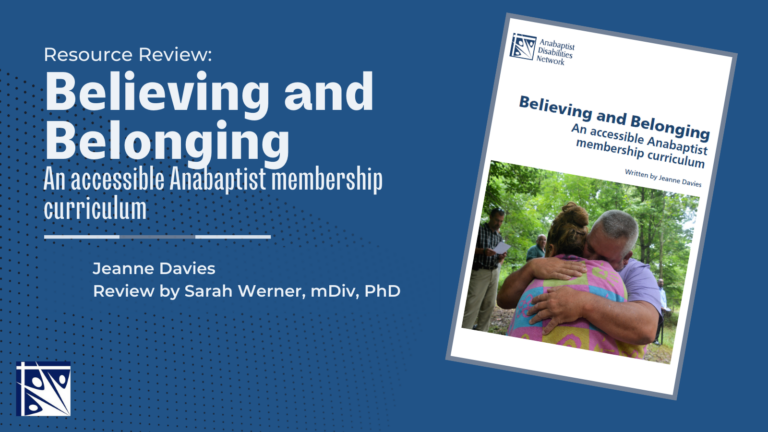
Field Associate Sarah Werner reviews the anabaptist baptism & membership curriculum for adults with intellectual disabilities.
Chris Esau and Patty Andres share their baptism testimonies, with a short reflection by Chaplain Mike Gilmore.
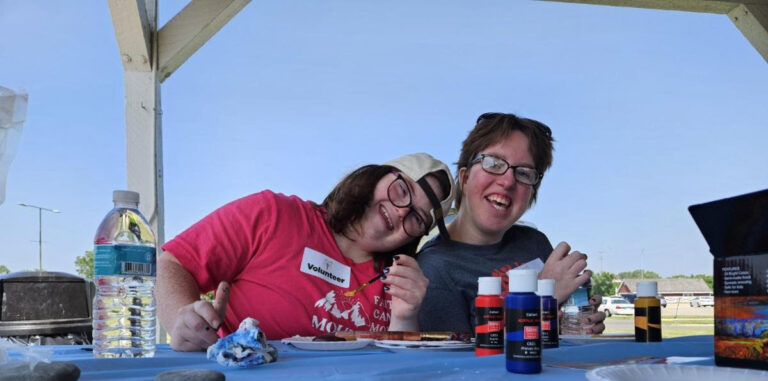
Emily Krabill talks about baptism, church, God, and what it means to belong.
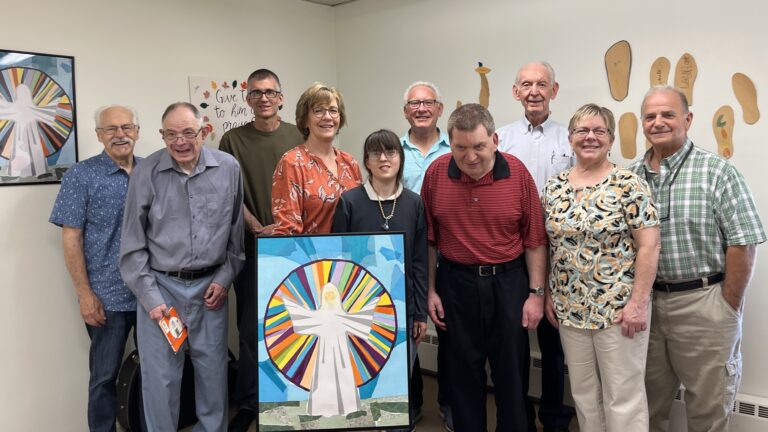
How a Sunday School class for intellectually disabled adults in PA connected with a school for disabled children in Ukraine.
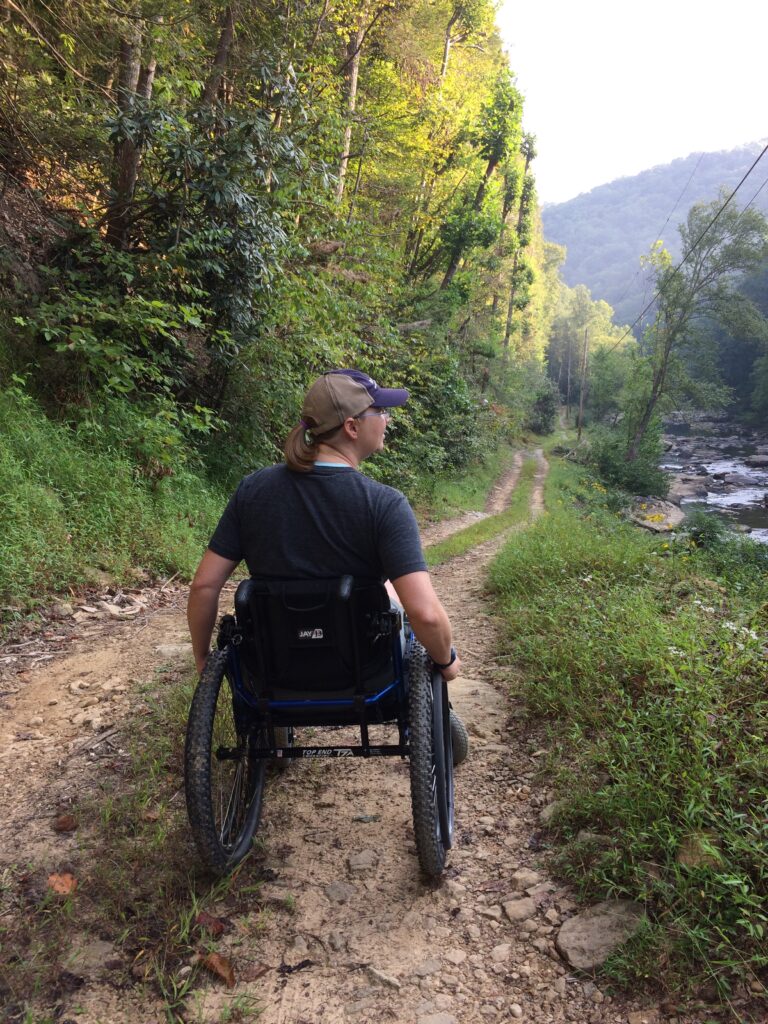
In this collaboration with Mennonite Women USA for Disability Pride Month, Sarah Werner redefines her disability as something to be proud of, not something to be ashamed of.
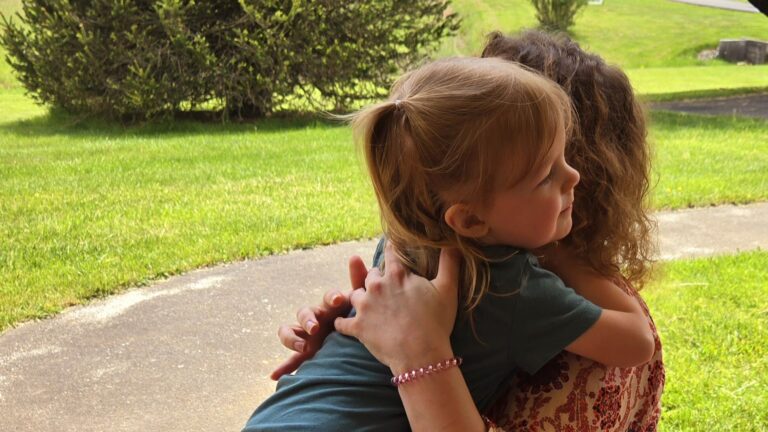
Katie Smith reflects on being fearfully and wonderfully made as a disabled person.

Tony Miller wrestles with the ideas of healing, wholeness, and love.
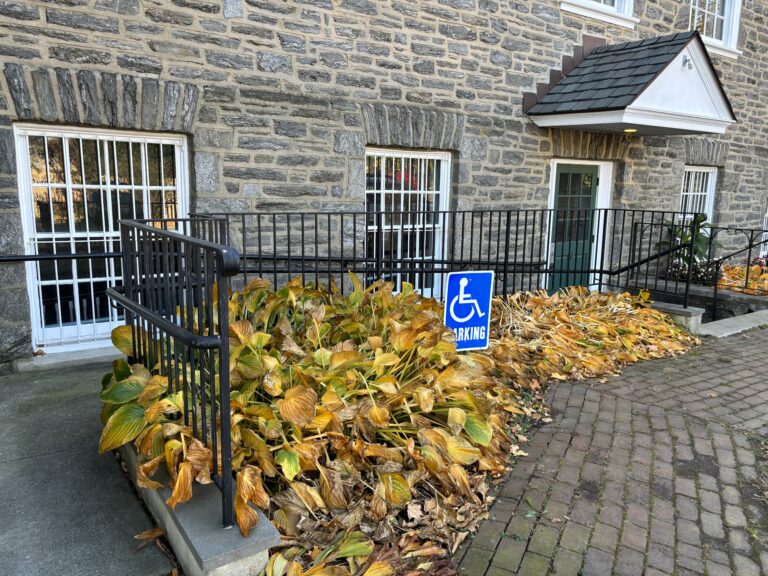
ADN’s free tool to assess a church’s accessibility to people with disabilities and mental illness.
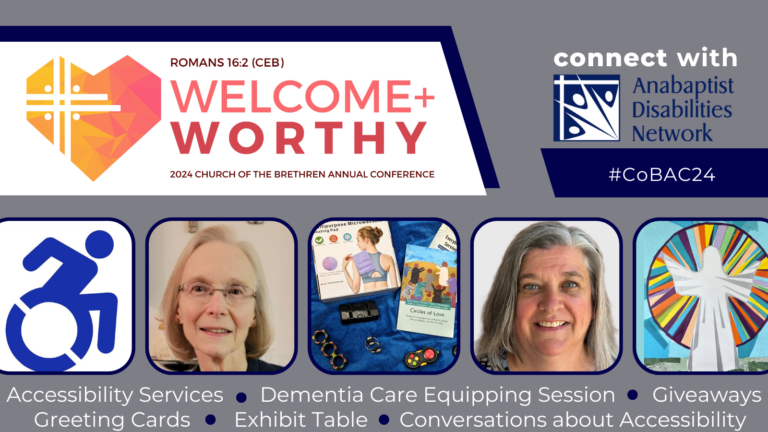
Accessibility Services, Equipping Session, Giveaways, and more!
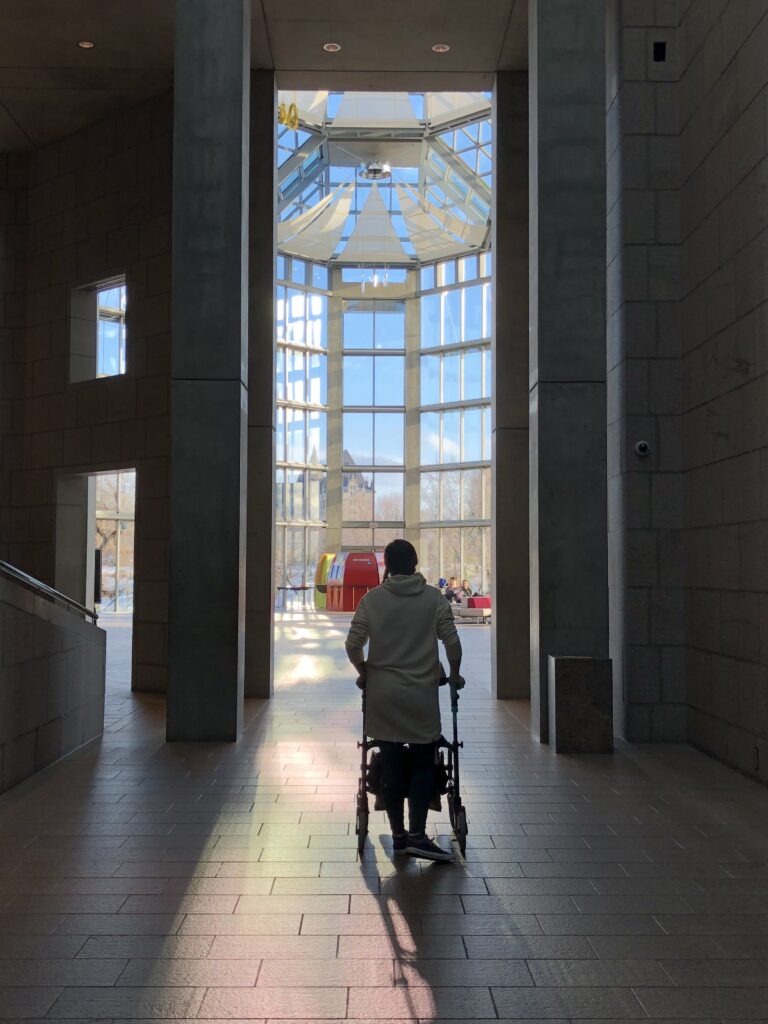
Jasmine Duckworth grapples with the idea of prayer and healing in the context of her chronic illness.

Reflecting on a chronic illness diagnosis, Laura Stone explores how she learned to surrender to a life she did not expect.
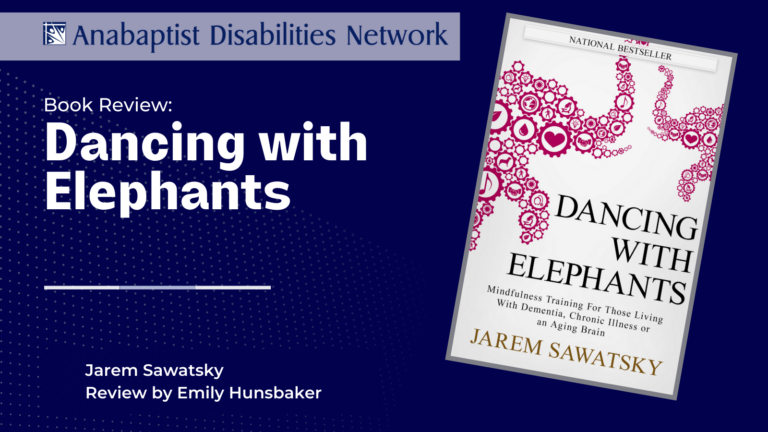
Mindfulness Training for Those Living with Dementia, Chronic Illness, or an Aging Brain.
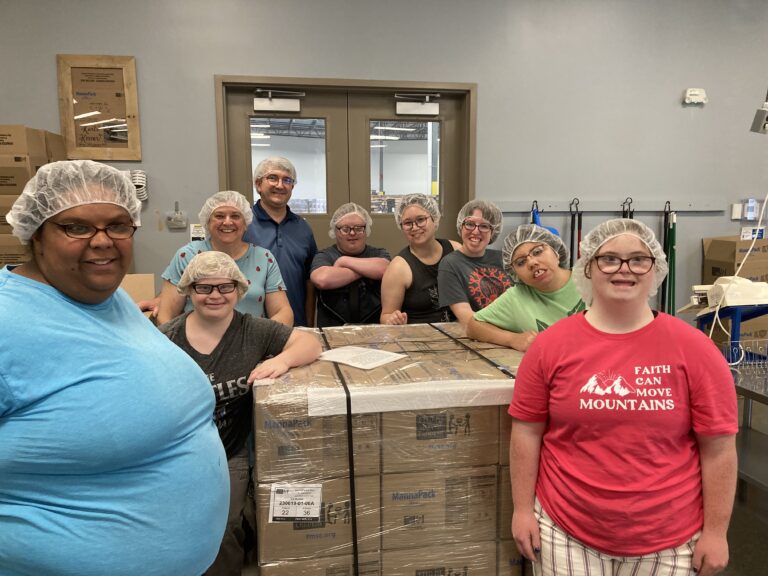
Register for We Are Able 2024
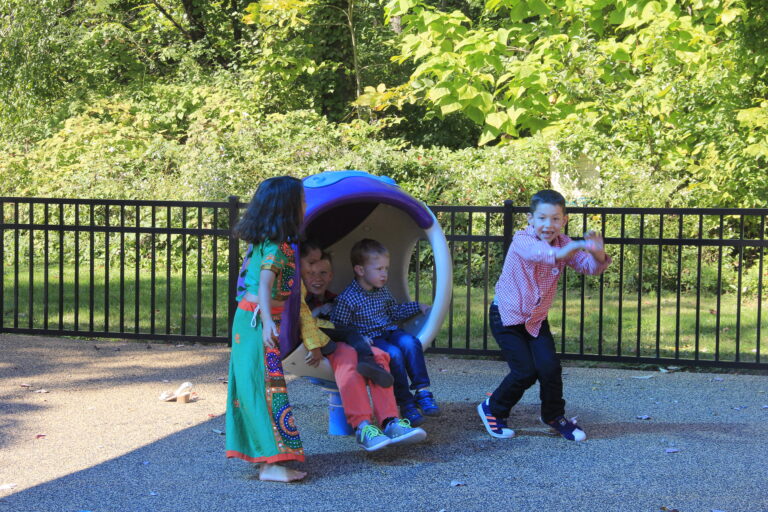
Church volunteers who work in faith formation are called to help the gifts of all children, youth, and adults shine.
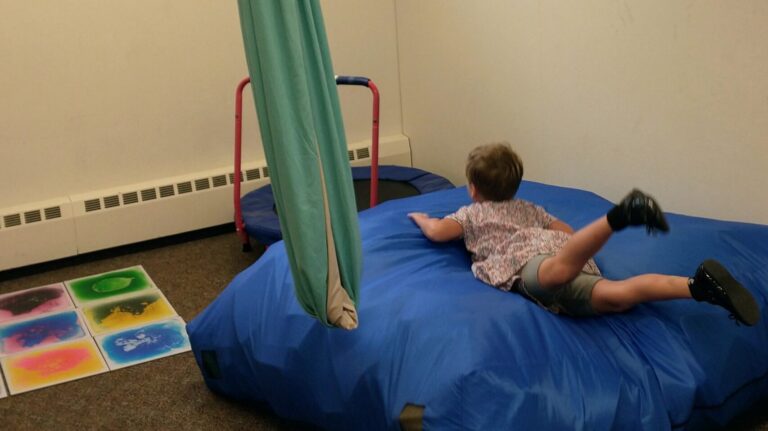
Jenn Svetlik shares tips and tricks for creating communities of support for people who are neurodivergent.

Read and Listen to Ann Hamlin’s newest song about talking with and hearing from God.
Webinar with Bonnie & Lyle Miller on welcoming families impacted by disability and neurodiversity.
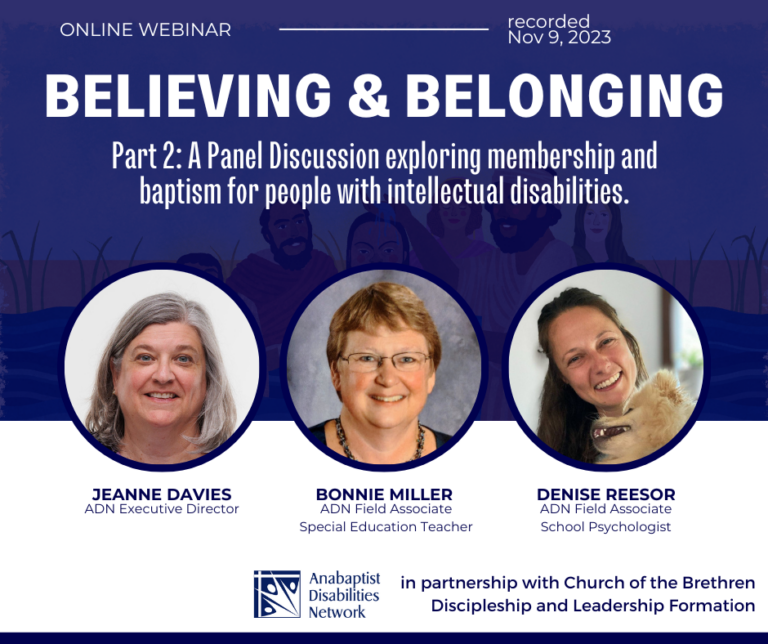
ADN field associates Bonnie Miller and Denise Reesor and executive director Jeanne Davies discuss exploring membership with people who have intellectual disabilities.
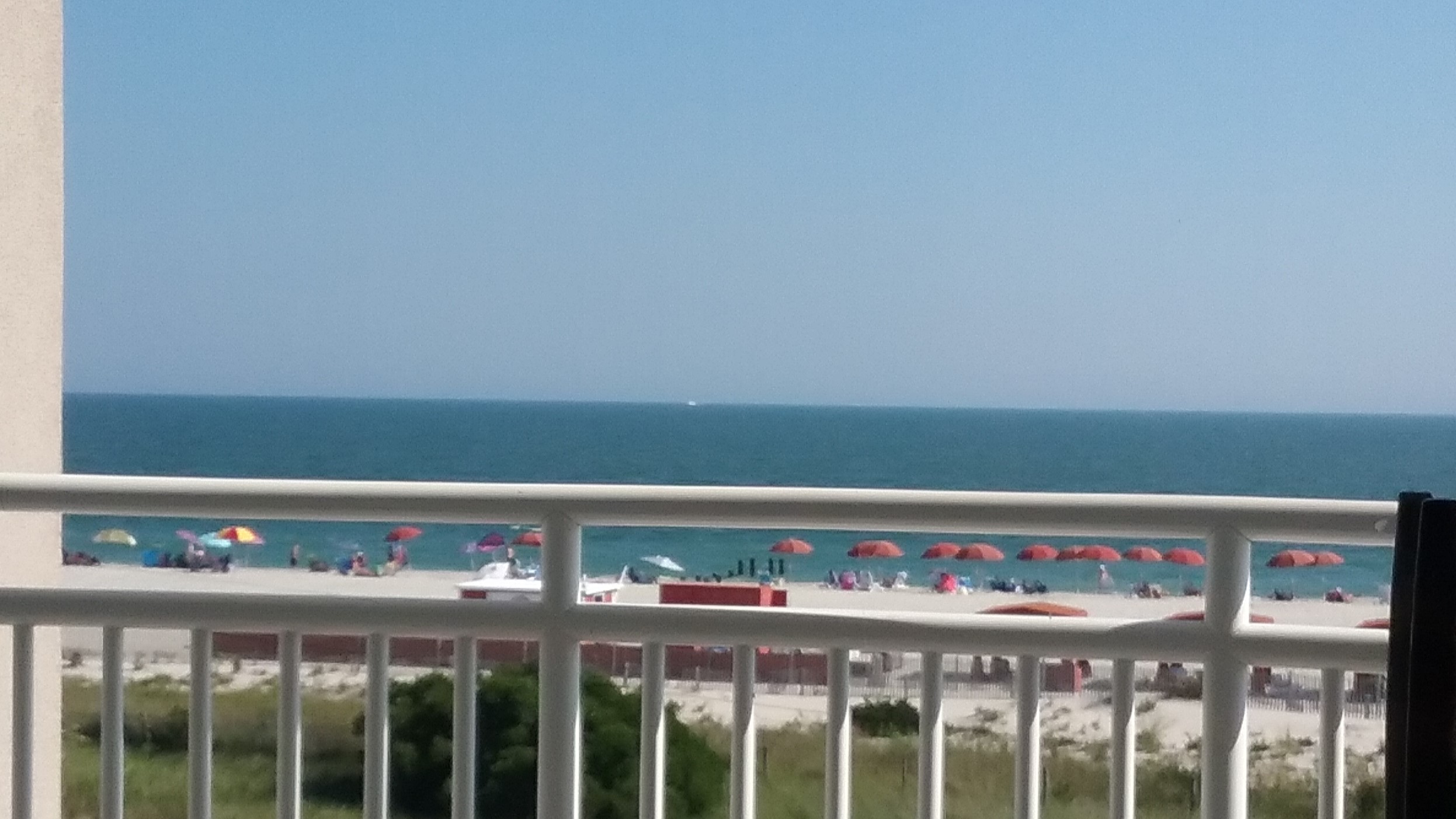
With a poignant reflection of the beauty and barriers of visiting a personally sacred place, Jill Keyser Speicher sheds light on the daily challenges faced by wheelchair users.
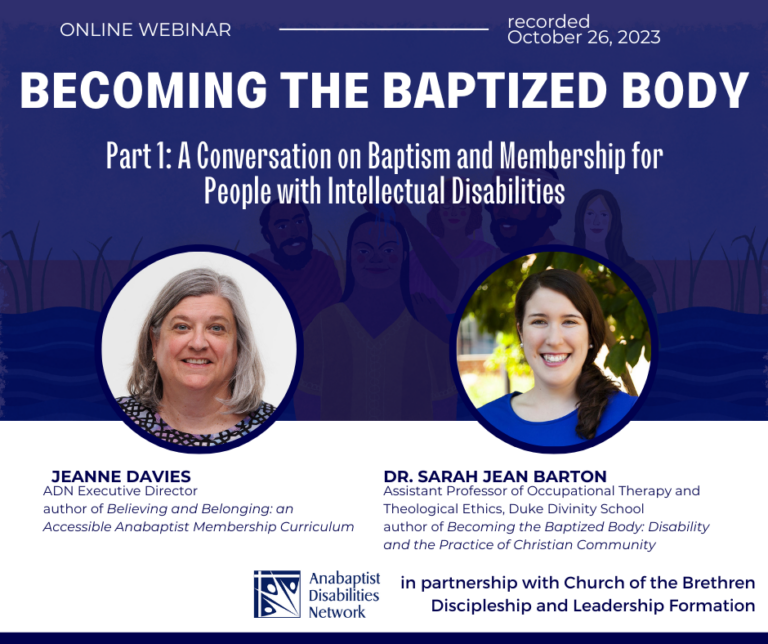
Dr. Sarah Jean Barton and Jeanne Davies discuss baptism and church membership with particular attention to people with intellectual disabilities.
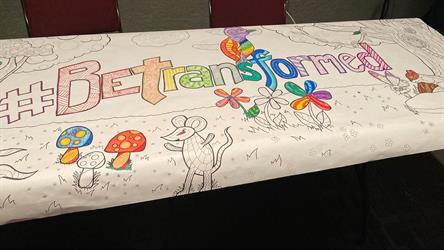
Anabaptist Disabilities Network hosted a sensory room at the national Mennonite Convention in July 2023.
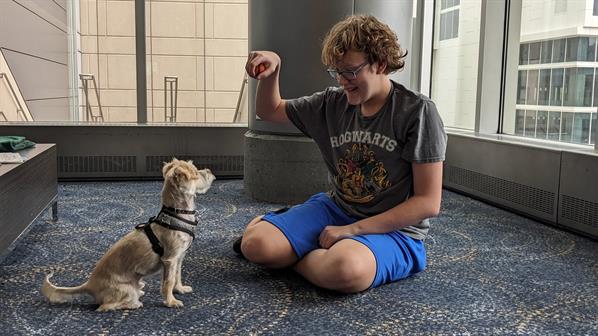
Landon Kauffman reflects on his experience at MennoCon.
Cindy Warner Baker reviews the book, Amplifying Our Witness: Giving Voice to Adolescents with Developmental Disabilities by Ben Connor
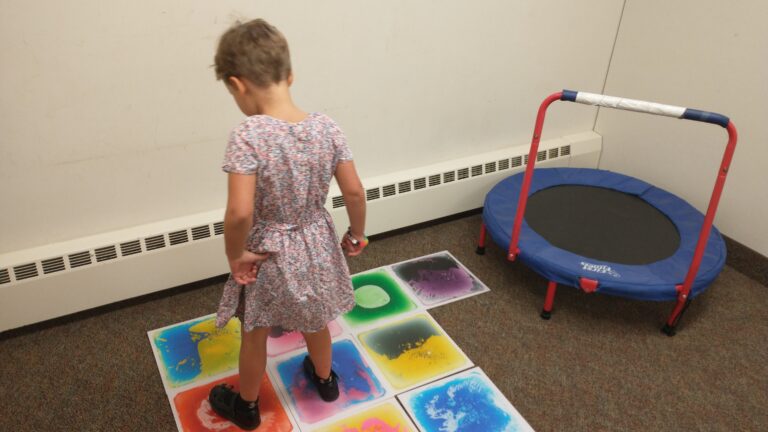
Jennifer Svetlik recounts Salford Mennonite’s initiatives toward greater accessibility and inclusion.
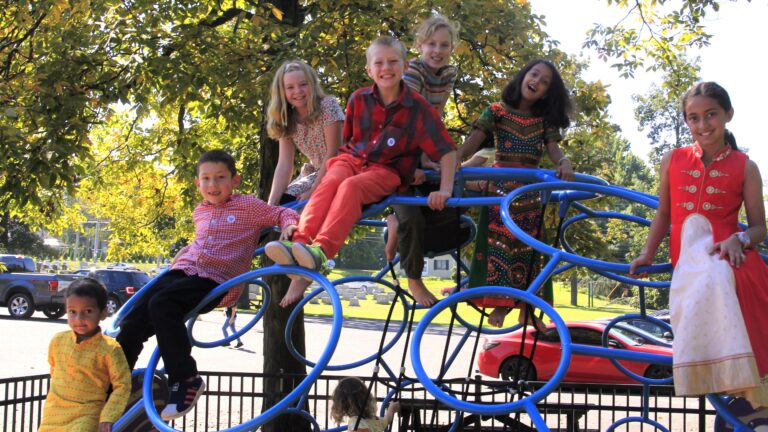
Plains Mennonite Church used a Barrier Free Grant to create a playground for all, a next step in supporting families with autistic children.
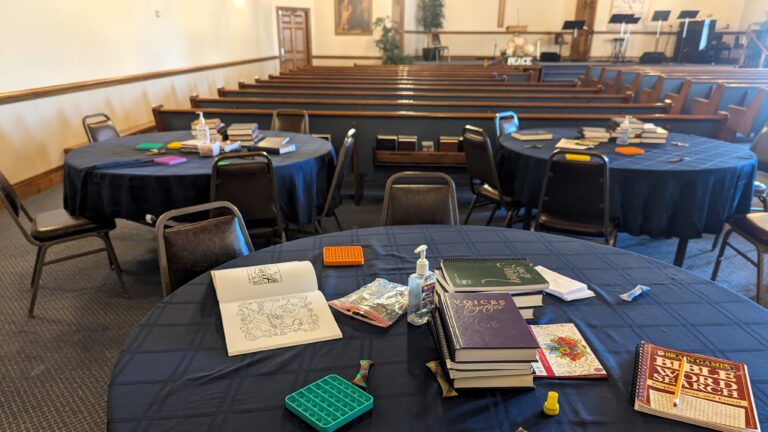
Pastor Nathanael Hofstetter Ressler offers tips for congregations beginning to accommodate for mental illness and support mental health.
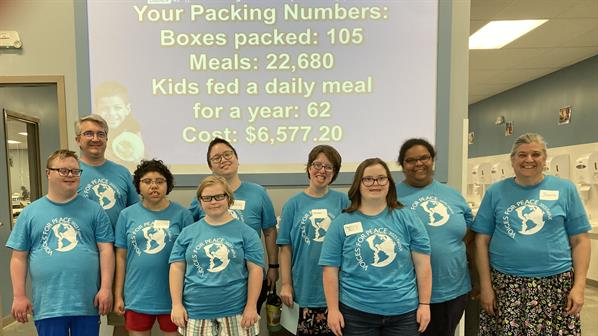
Emily Krabill reflects on the 2023 We Are Able work trip.
Jonathan Shively reflects on the blessings and growth of the 2023 workcamp week.
Believing and Belonging: an accessible Anabaptist membership curriculum
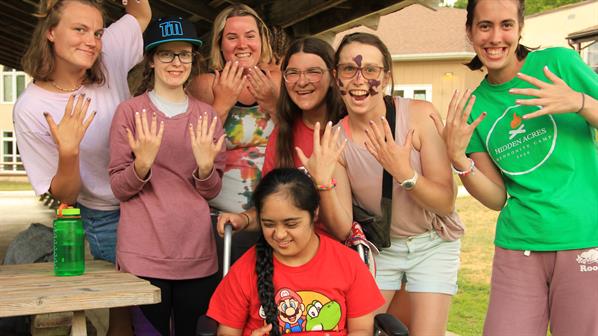
At Hidden Acres Mennonite Camp, we provide a welcoming, peaceful gathering place where diverse groups of people experience life-giving connections with God, one another, and nature.
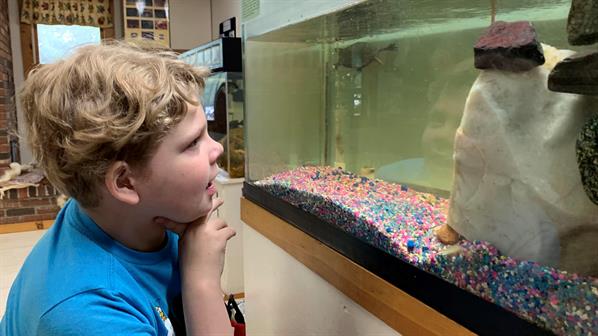
A list of accessible summer camps in the North American midwest and eastern seabord
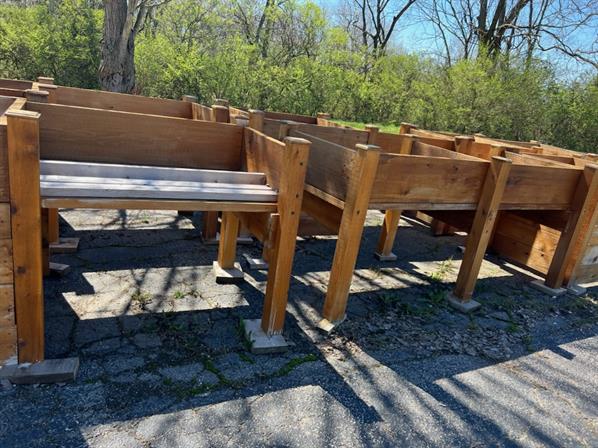
Field associate Kathy Dickson talks about accessible gardening at Methodist Theological School of Ohio.
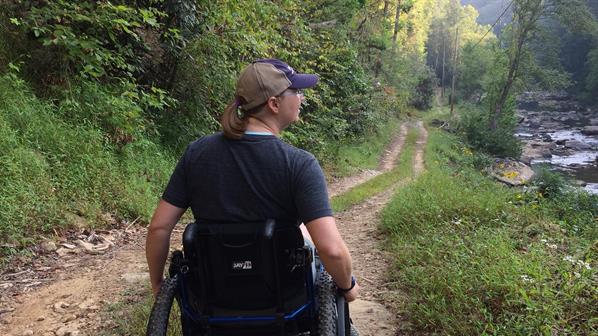
Sarah Werner shares about how she connects to God in the natural world.
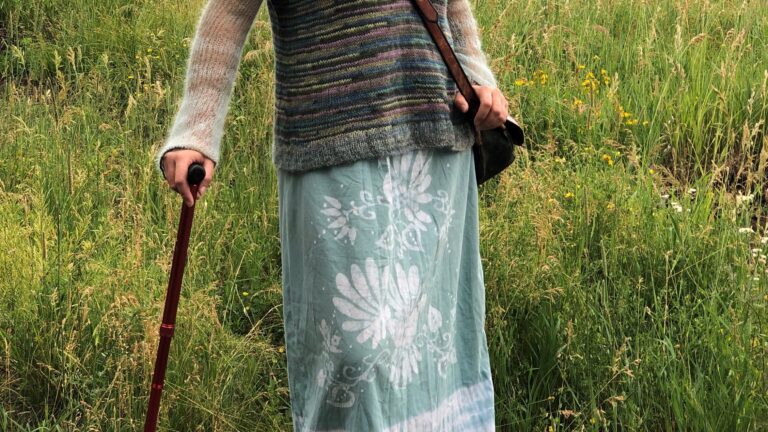
Jasmine Duckworth shares vulnerably about her struggle for self-acceptance after a chronic-illness diagnosis.
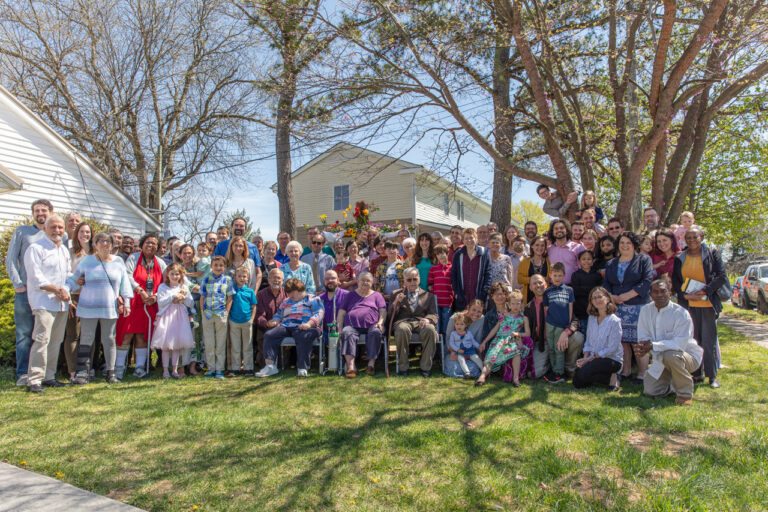
Immanuel Mennonite Church’s experiences auditing their accessibility and addressing their congregation’s barriers to belonging.
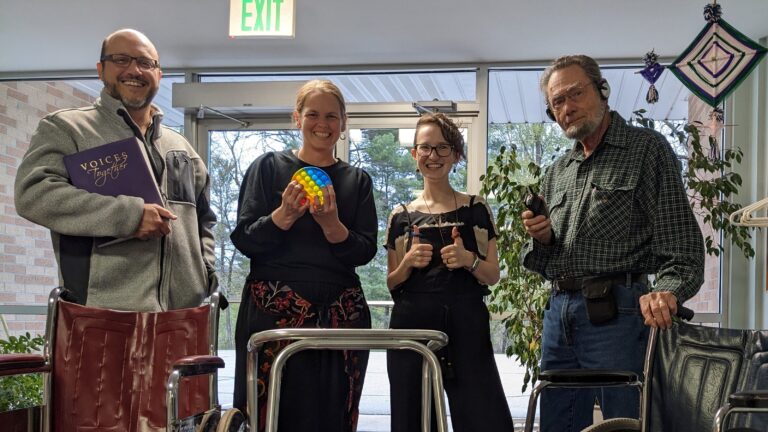
Waterford Mennonite Church’s experience forming a disabilities committee and filling out the Congregational Accessibility Survey.
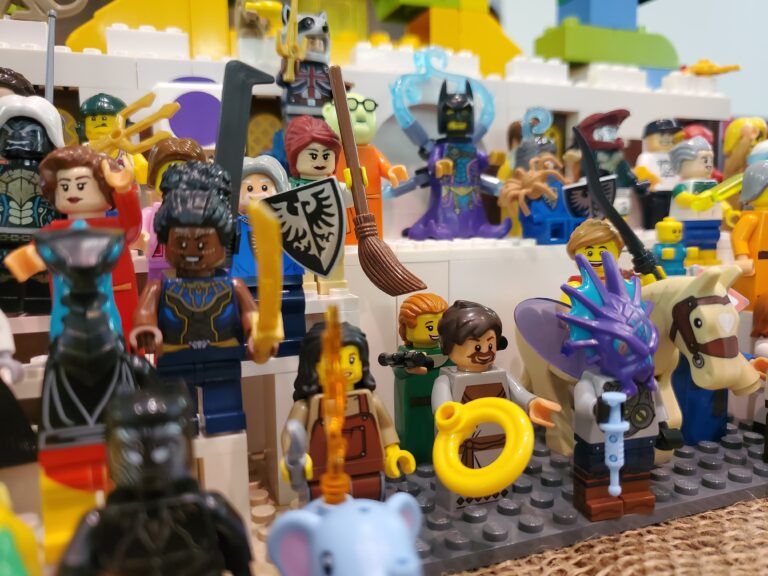
Ambler Mennonite uses Legos to engage with Scriptures across ages and abilities.

Ann Hamlin relates her experience as an autistic adult in her church community.
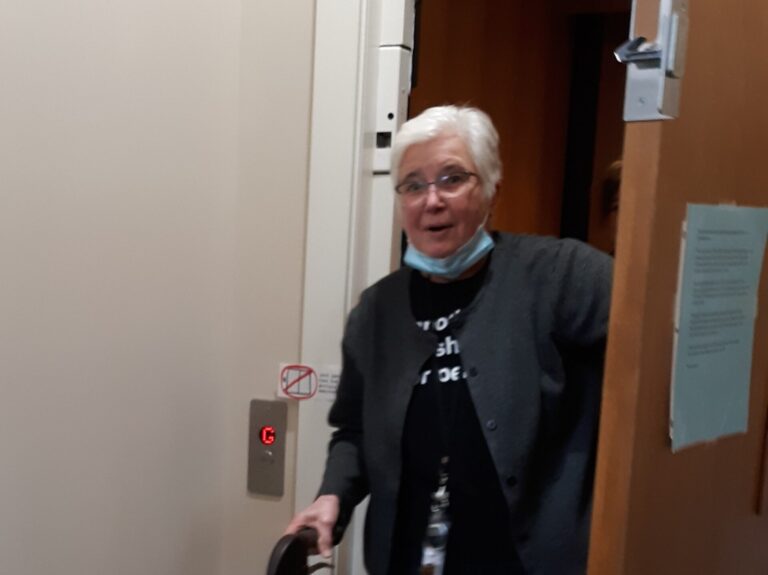
New Creation Fellowship in Newton, KS, dedicates their new lift, which makes their sanctuary accessible to all.
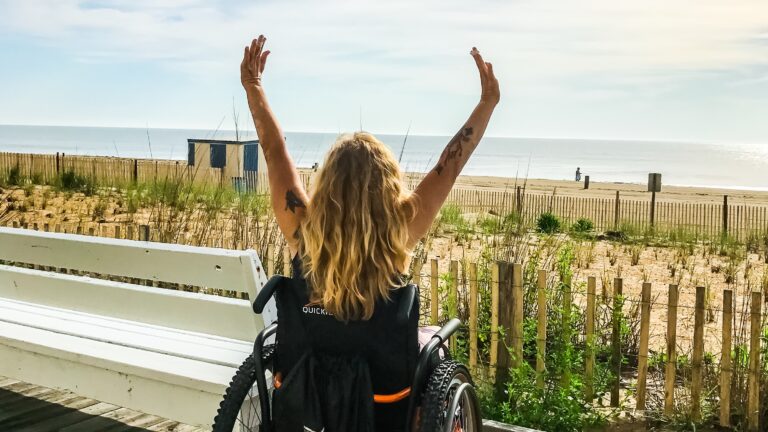
Shelly Kerchner shares her journey through addiction, illness, and disability.
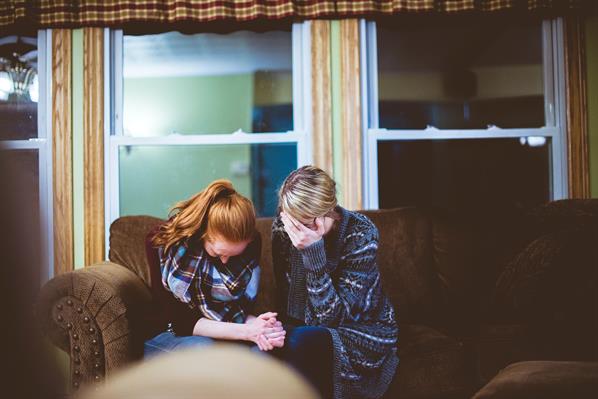
Sarah Griffith Lund discusses the importance of talking to young people about mental health.
Sam Stoltzfus reflects on her struggles with neurodivergence in navigating college.
JE Misz shares about the importance of building resiliency for mental health in youth and young adults.
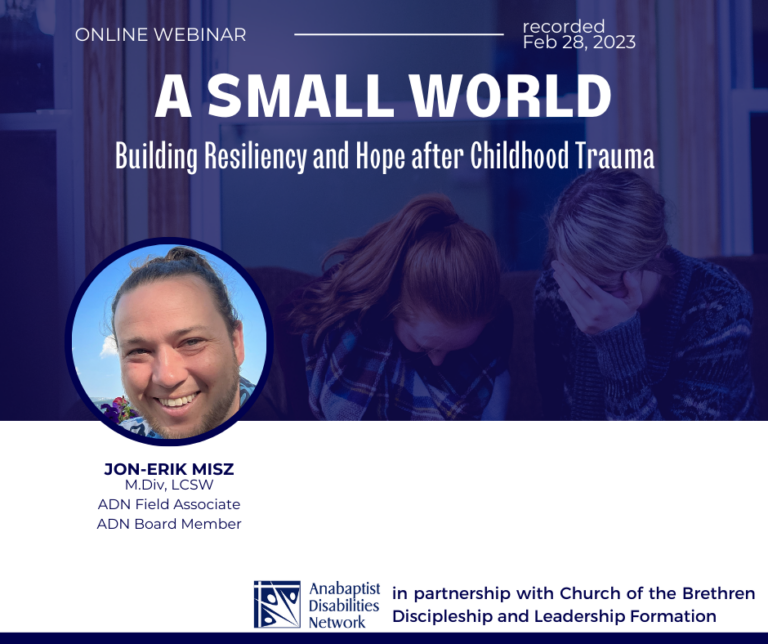
ADN field associate and board member Jon-Erik Misz, MDiv, LCSW, speaks on trauma, resiliency, and hope for children who experienced difficult times.

M.Div. student Michelle Robichaud offers a few ways churches can support lonely youth who lack a feeling of connection.
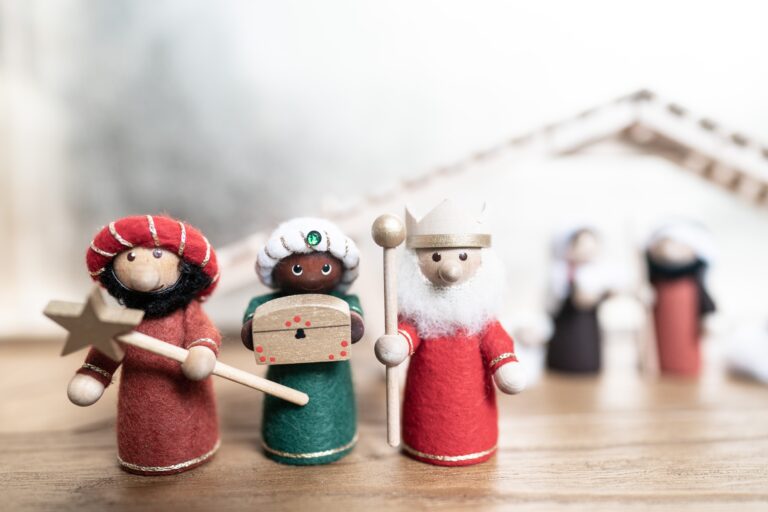
Brandon Grady draws a connection between navigating life as a blind man and searching for Jesus as a magi.
In this poem, Sarah Werner provides an eloquent imagining of what it feels like to be wholly welcomed into God’s Community.

Why does the Resurrected Jesus have wounds? Laura Stone muses in her sermon on disability and wholeness. Plus, a sneak peek of Laura and Peggy Gilbert’s performance poetry.
Sarah Werner reflects on the church’s changing beliefs about physical disabilities and calls us to a more embodied approach to worship.
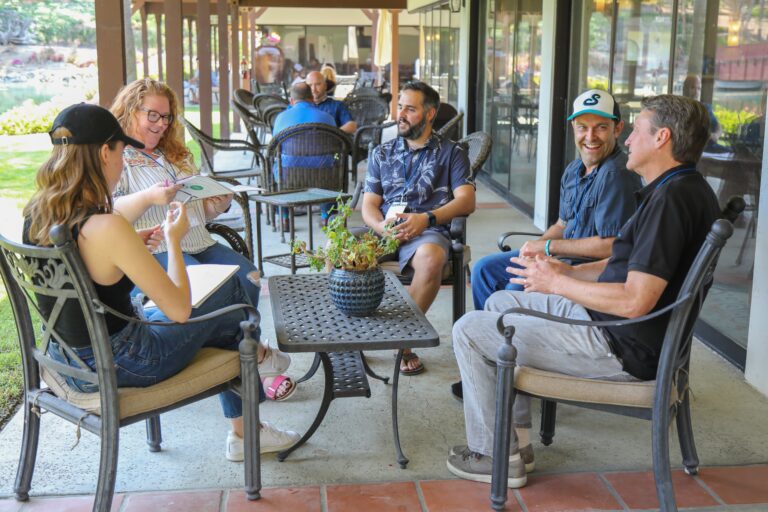
A story of moving from isolation to community with biblical hospitality by Heather Wolf

Tom Szambecki shares about his experience working with neurodivergent youth and the wisdom all youth can offer on inclusion and belonging.
An excerpt from Life on the Spectrum: Faith. Hope. Love. Autism. by Deborah Abbs.

Ann Hamlin explains what it’s like to pray as a person who is nonverbal.
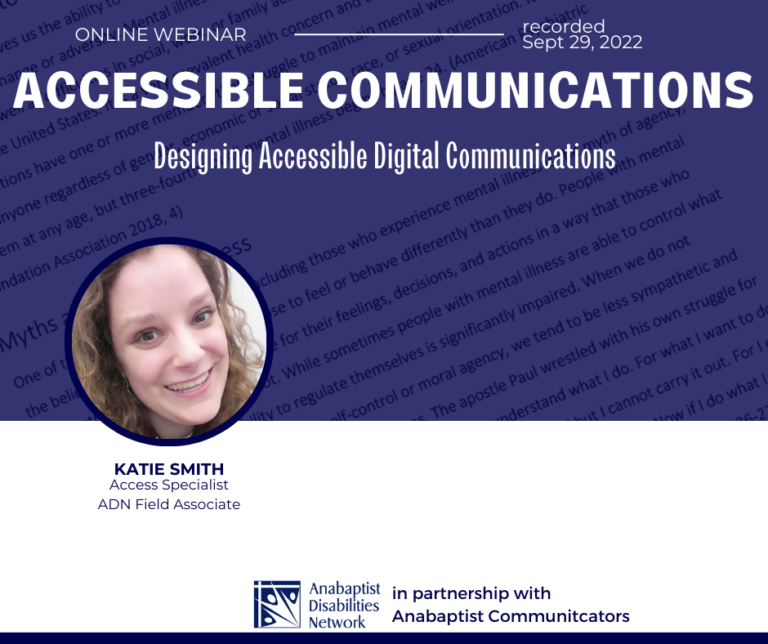
ADN field associate Katie Smith leads this workshop on creating print documents that everyone can read and access.
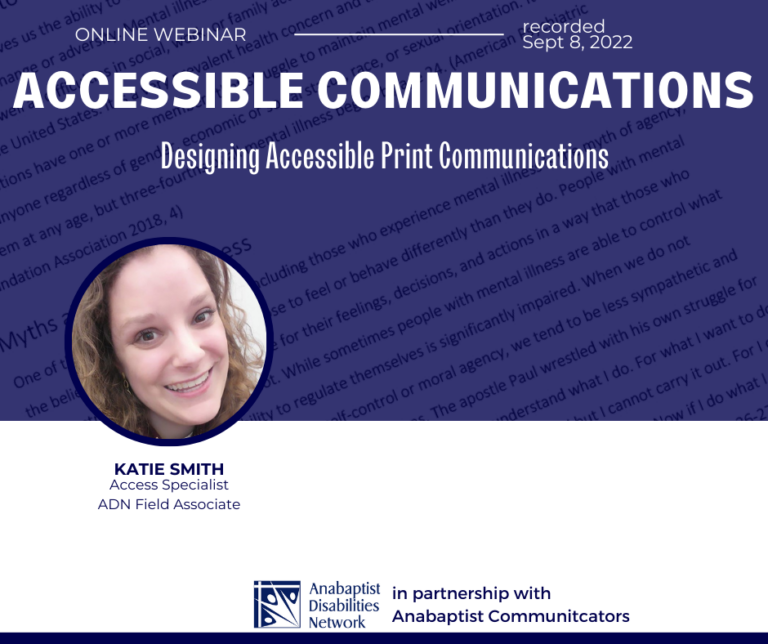
ADN field associate Katie Smith leads this workshop on creating print documents that everyone can read and access.

Naomi Epp recounts the ways her friendship with Chantel has been a blessing for both of them.
Marie Harnish shares the way her mother’s dementia has impacted the life of her family.
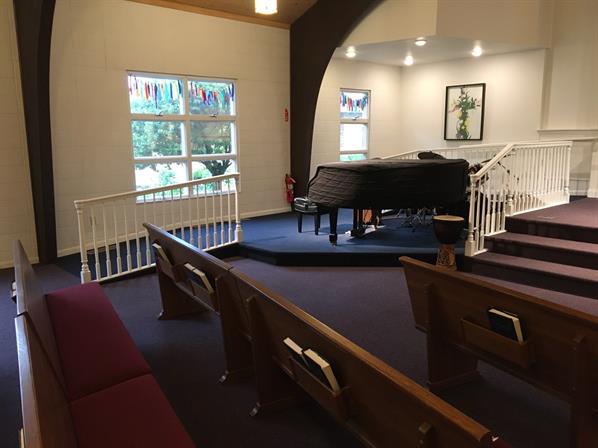
Jill Keyser Speicher writes about searching for a church as a wheelchair user.
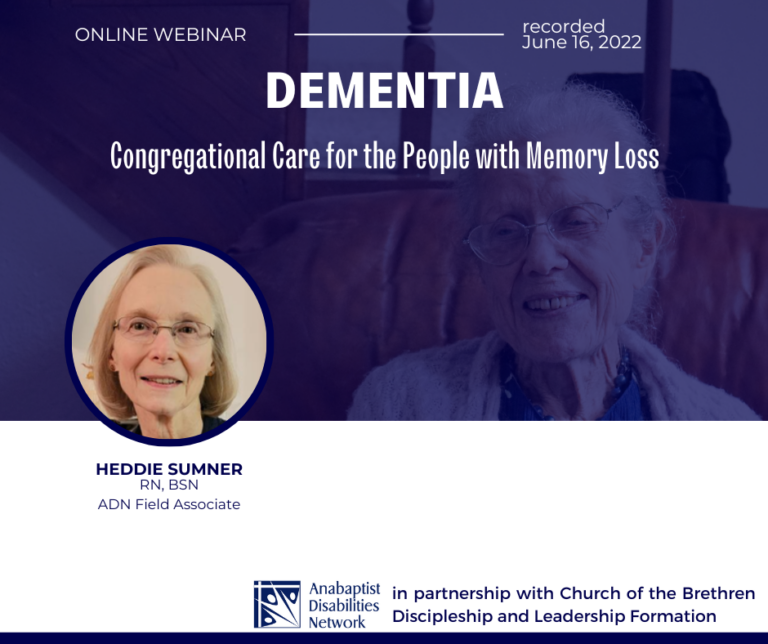
ADN field associate Heddie Sumner provides education on dementia: what it is, how to communicate with those affected, and how congregations can continue to minister to people affected and their caregivers.
Heddie Sumner offers ideas for congregations wishing to accommodate people with dementia.
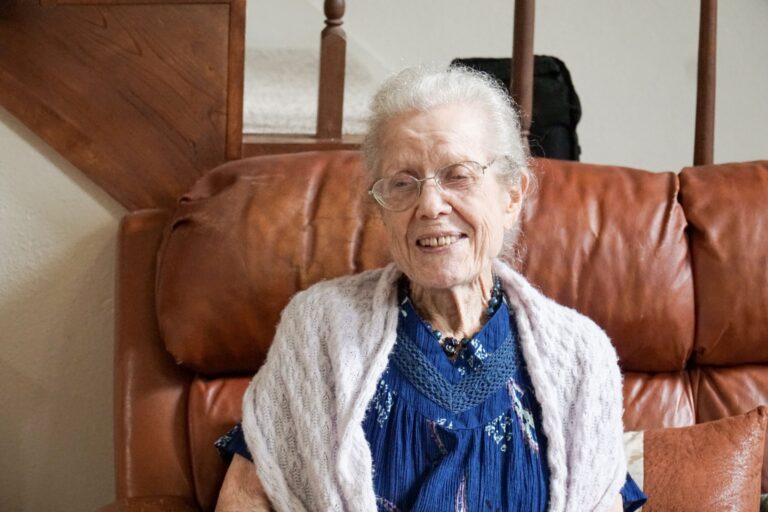
John Swinton writes on the intricate relationship between God and a person with dementia.
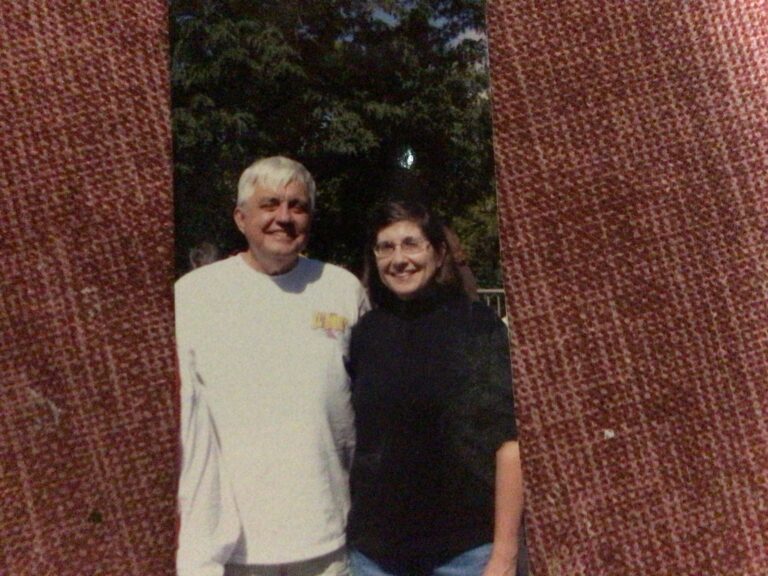
Susan and Don Jeffers draw on the strength of spiritual practices and a community of support during Don’s dementia journey.
With a poem and essay, Chou Hallegra calls congregations and individuals to consider how to support people with mental illness.
MHS awards funds for creation of inclusive membership curriculum.
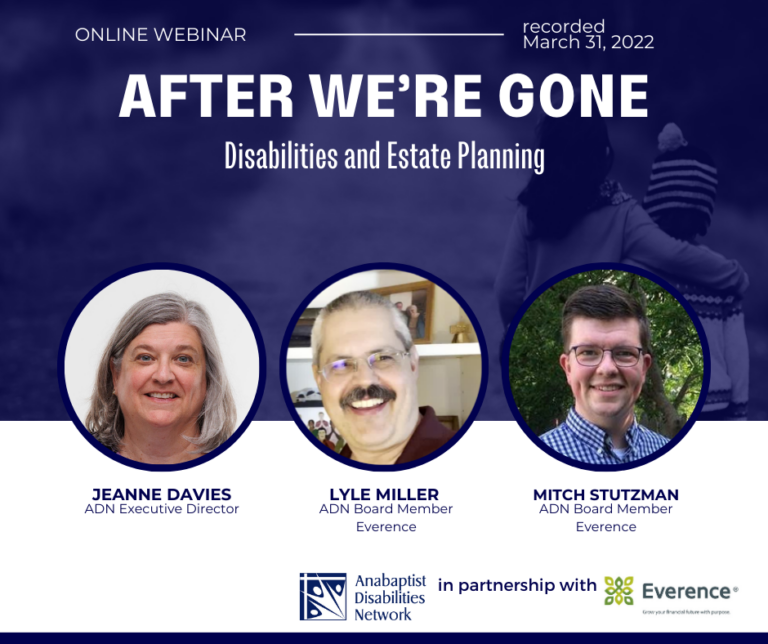
Representatives from Everence, an Anabaptist financial agency, discuss estate planning for families with a dependent disabled family member.
A song of yearning and humor by Ann Hamlin asks people to witness her humanity as a nonspeaking young adult.
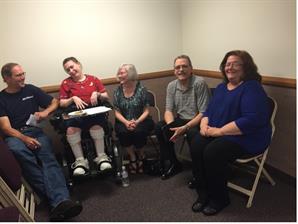
Erik Carter and Bill Gaventa discuss how churches can support employment for peopke with disabilities.
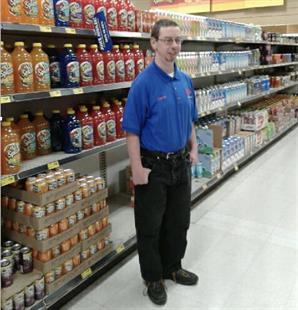
Douglas Gehr discusses strategies for employment for people with developmental disabilities.
Julie Foster offers advice for churches working to create employment opportunities for people with developmental disabilities.
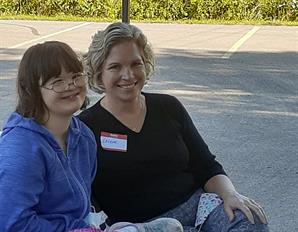
Karen Pfahler talks about the importance of meeting the needs of children with disabilities in church and the special relationships that can form.
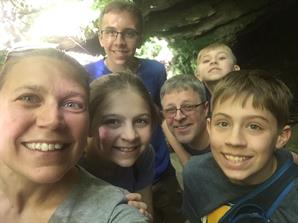
Alison Flory Reploge shares about the need for churches to help ease the load of families with children with disabilities.
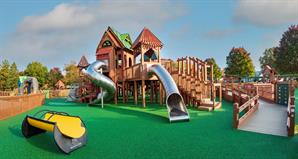
Erica Landram talks about the building of the Lititz Tree house playground, an accessible playground for people of all abilities.
Clinical social worker Jon-Erik Misz reflects on his experience with mental illness and therapy.
Janelle Bitikofer offers practical ways for congregations to engage in mutual care by reducing stigma and supporting people who experience mental illness.
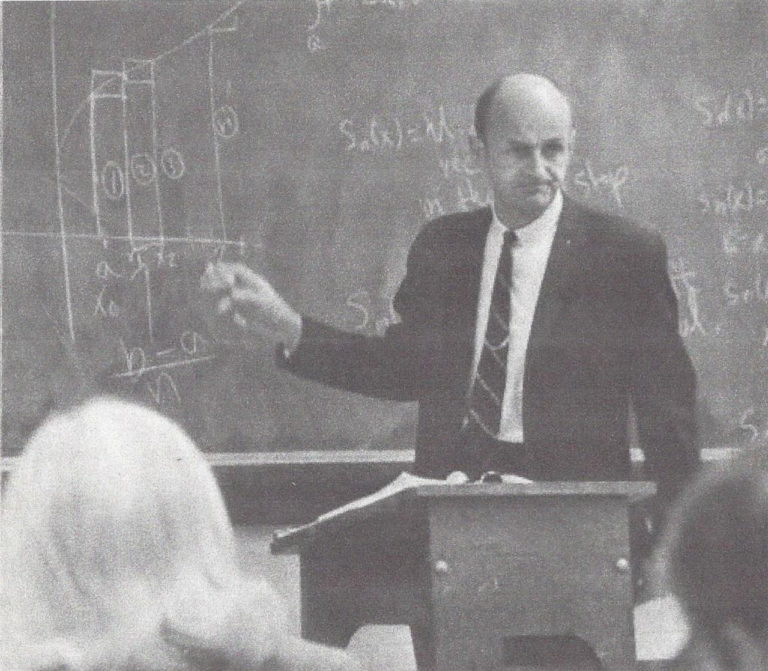
Verne Sanford relies on his faith and support from his community while he lives and leads as a person with low vision.
Bonnie Miller recounts the practical and emotional effects that a sanctuary ramp had on the congregation of Waterford Mennonite Church.
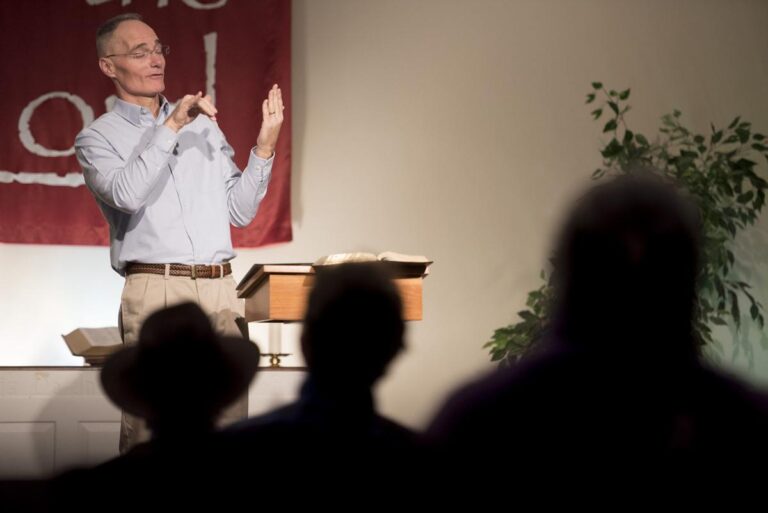
How Frederick’s deaf community finds faith and fellowship through the use of American Sign Language.
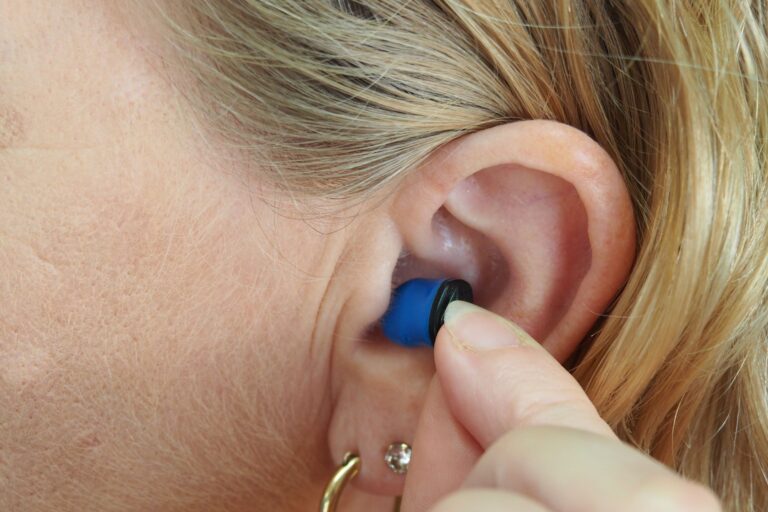
Tyler Hartford reflects on the use of hearing in the Bible and offers ways congregations can be accessible to people with hearing loss.
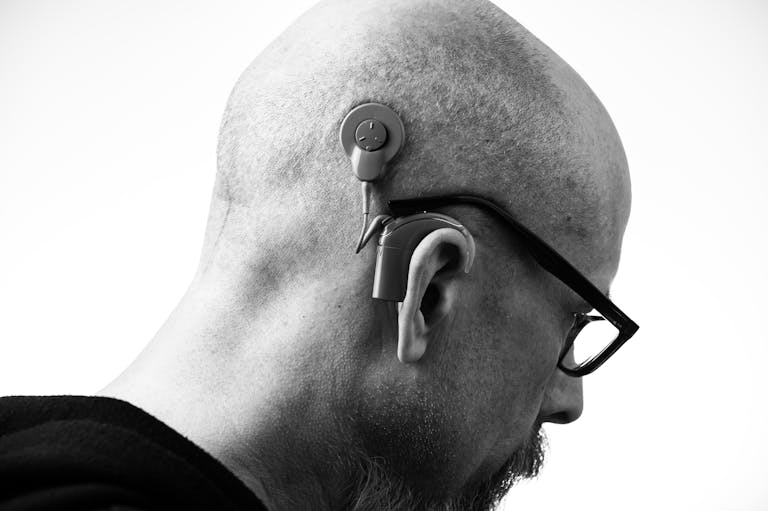
an introduction to the biology of hearing and how hearing can be damaged, as well as the options for someone experiencing hearing loss or deafness.
Janelle Bitikofer offers an introduction to mental illness: what it is, causes, symptoms, and ideas for providing mutual support to those affected in our communities.
Hannah Thompson and Peter Graber offer their honest reviews of this Sundance film.
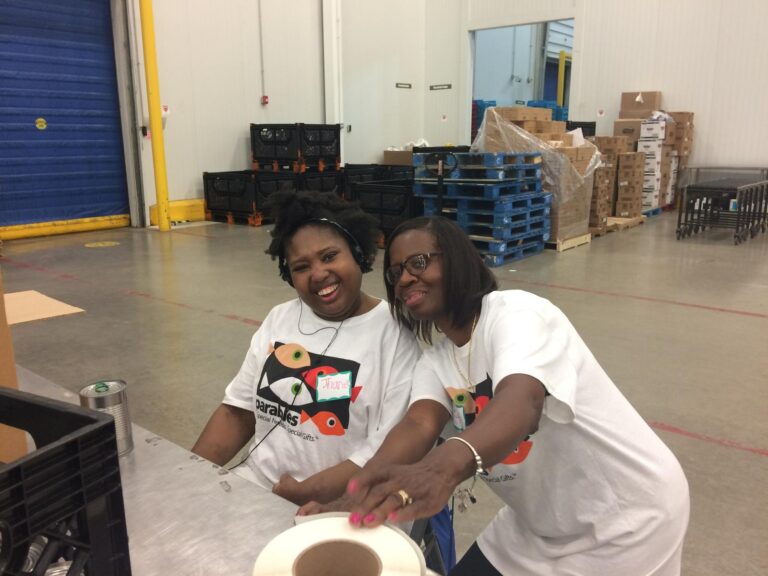
Jeanne Davies calls congregations to greater belonging and inclusion.
Here are a few resources for navigating the transition to adulthood for people who have disabilities.
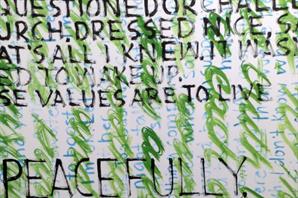
Katie Smith shares her firsthand experience of moving from adolescence into adulthood with a disability and how she now helps students navigate this change.
Julie Foster discusses the importance of meaningful work for adults with disabilities and how the church can help.
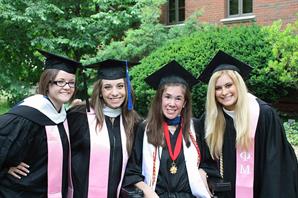
Hannah Thompson talks about how she came to the Christian faith in college.
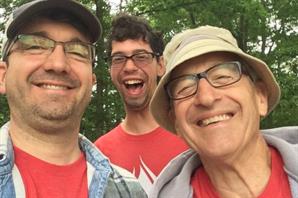
Jonathan Shively shares about his experience working to provide a meaningful life for his adult son with an intellectual disability.
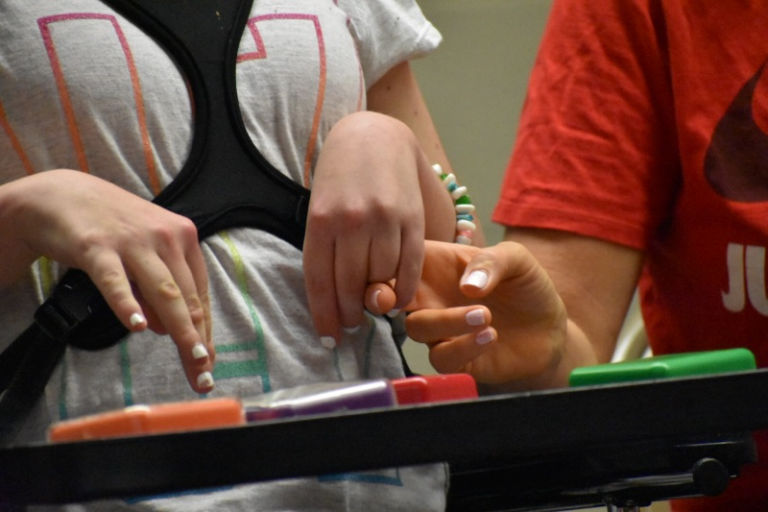
The process of beginning a disability ministry at Blooming Glen Mennonite Church, Perkasie, PA, which turned into a thriving community.
We mourn and remember Eldon Stoltzfus
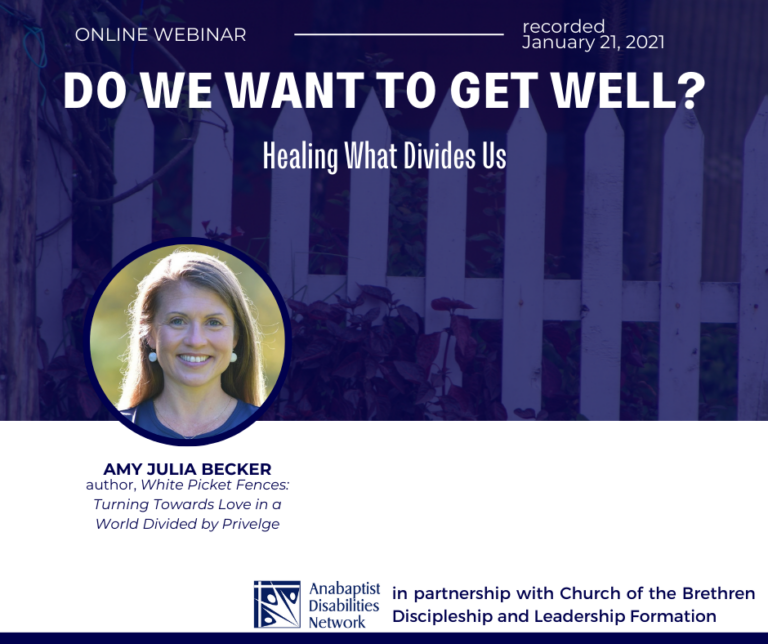
Amy Julia Becker reflects on God’s call to healing, both within ourselves and within relationships.
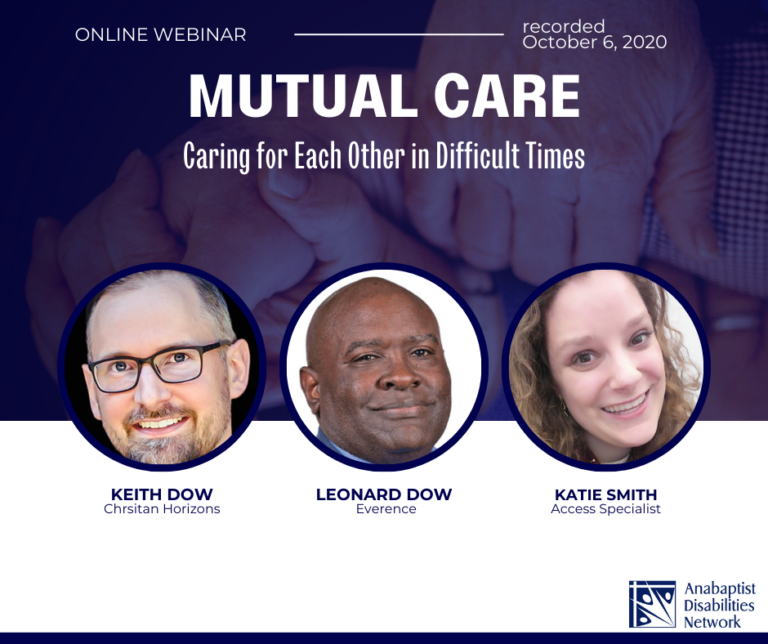
Keith Dow, Katie Smith, Leonard Dow, and Jeanne Davies discuss practices of sharing joys and hardships in the church community.

In White Picket Fences, Amy Julia Becker examines how able-bodied privilege and white privilege have affected her life.
Jeanne Davies shares practices that build resilience in the midst of the pandemic.
Amy Julia Becker recounts how her experiences of exclusion with her daughter, who has Down syndrome, helped her understand racism in the US.
Chou Hallegra Gabikiny reflects on the privileges and disadvantages that have shaped her life and her career.
Paula Ziegler Ulrich shares ideas for connecting with older adults who are sheltering in place during the pandemic.
There are those who seem to defy the limitations of aging as they grow into the last decades of life. But the reality is that aging brings inevitable disabilities for everyone.
I am 82 years old. In spite of my age-related challenges, I believe that most of the time I can honestly say life is good.
Peter Graber reflects on the realities of aging and how these relate to our use of the term ‘disability.’
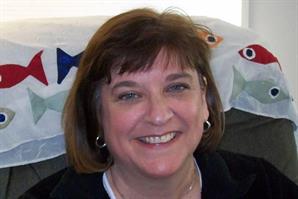
The ADN board is pleased to announce that Jeanne Davies has accepted the board’s appointment as the new ADN Executive Director, effective June 1, 2020.
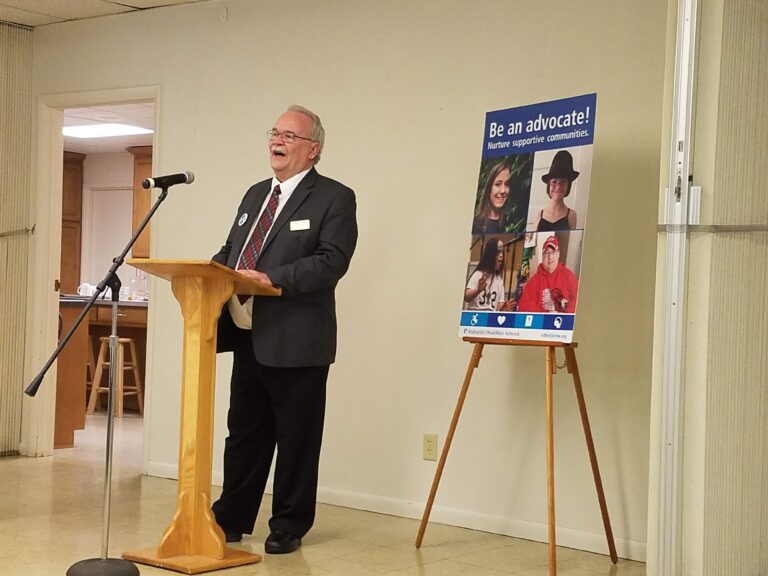
Eldon Stoltzfus resigns, Jeanne Davies appointed.
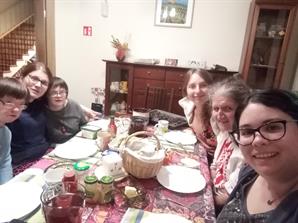
Deborah-Ruth Ferber shares about her experience visiting a L’Arche community in Warsaw, Poland and the warm welcome she received.
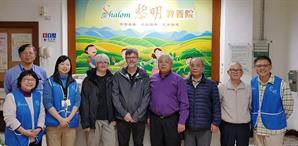
The New Dawn Educare Center is a day care, residential center and sheltered workshop in Taiwan.
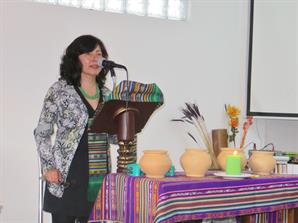
Alexandra Meneses Andrade reflects on the changing attitudes towards people with disabilities as an Ecuadorian Mennonite.
Isaiah’s prophecy about the coming Messiah, well known to so many during this Christmas season, paints a radical picture of the Lordship of Christ.
Rebekah Flores offers a reflection on celebrating Christmas in a time of loss.
Dr. Sarah Jean Barton provides resources and education for congregations seeking to provide trauma-informed care.

What to do When Your Child is Hurting from the Inside Out
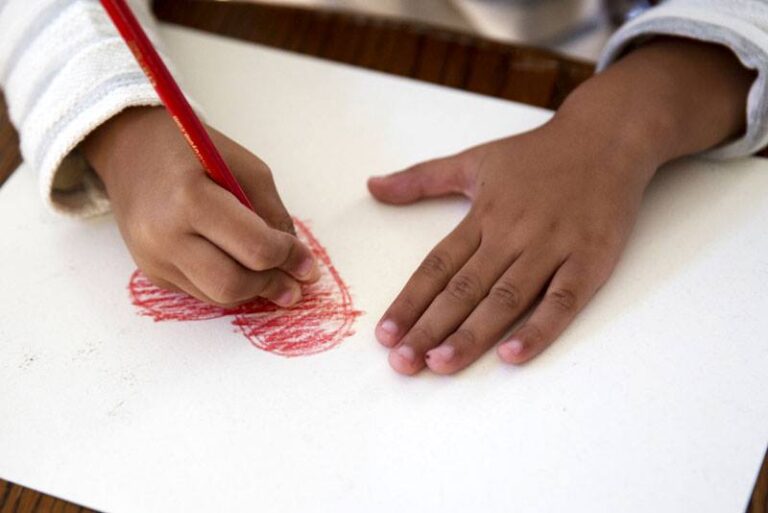
Darial Sterling introduces how adverse childhood experiences affect a person’s physical and emotional well-being.
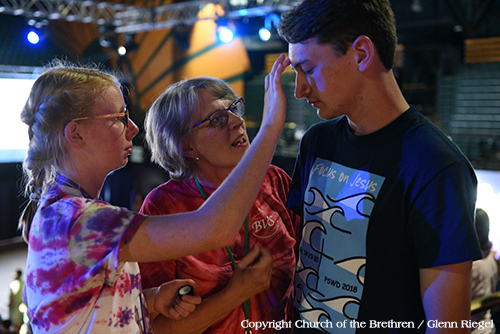
Pastor Staci Williams provides an introduction to trauma and encourages grace and compassion when interacting with people with trauma.
I’ve lived for the past six years with chronic, phantom, pain caused by scar tissue that developed after radiation treatment for a brain tumor.
Karen Norton Biddle shares about being part of the We Are Able work camp over the summer.
Rachel Joy recounts a discussion with a Colombian woman about the balance between seeking healing and valuing people with disabilities for who they are.
One of the many blessings my youngest son, Luke, who has autism and is nonverbal, has brought me is this: He helps me slow down and live in the present.
A blog about the Intersections of Poverty Culture, Race and Mental Health
We welcome Emily Hunsberger to Anabaptist Disabilities Network as a part-time Office Administrator.
No one knows why auto-immune disease comes, but it does. And when it comes we have to determine how we will deal with one disease, or perhaps several, and maybe a disability or two.
Chris Schaffner offers some practical suggestions for how the church can support those who suffer from drug dependency.
Anabaptist Disabilities Network welcomes Eldon Stoltzfus of Goshen, Indiana, as its new Executive Director beginning May 1, 2019.
“Come thou long expected Jesus, born to set thy people free,” as the Advent hymn goes. Oh yes, these weeks are full of anticipation of Christmas!
The season of Advent is about the hope of waiting. When you’re the caregiver to a child with a disability, your life is all about waiting.
Deborah Ferber reflects on finding joy during the Advent season at the L’Arche Community in Inverness, Scotland.
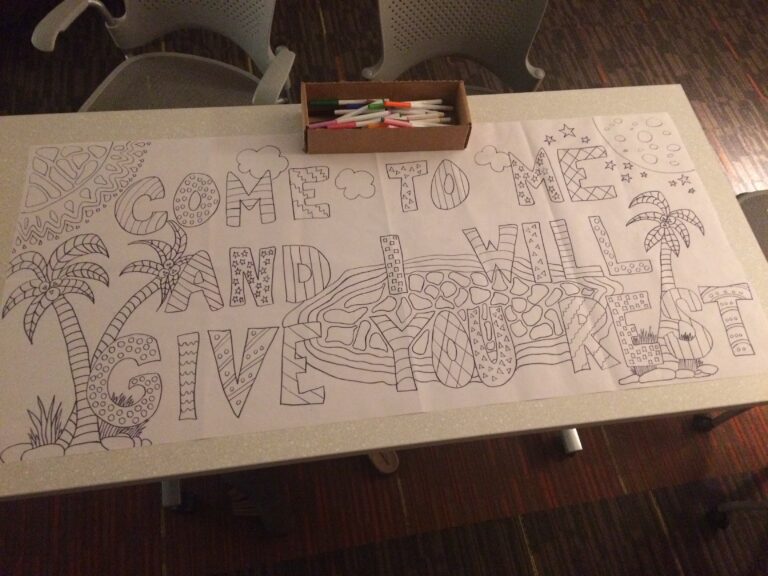
Jeanne Davies talks about “The Oasis” a sensory space created for the recent National Youth Conference of the Church of the Brethren.
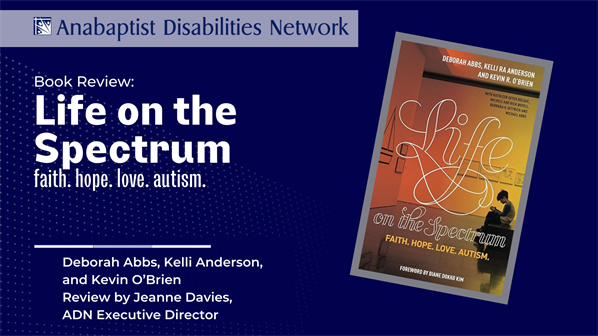
Life on the Spectrum is a collection of reflections written by parents of autistic children. These are stories of love, struggle, grief, and joy.
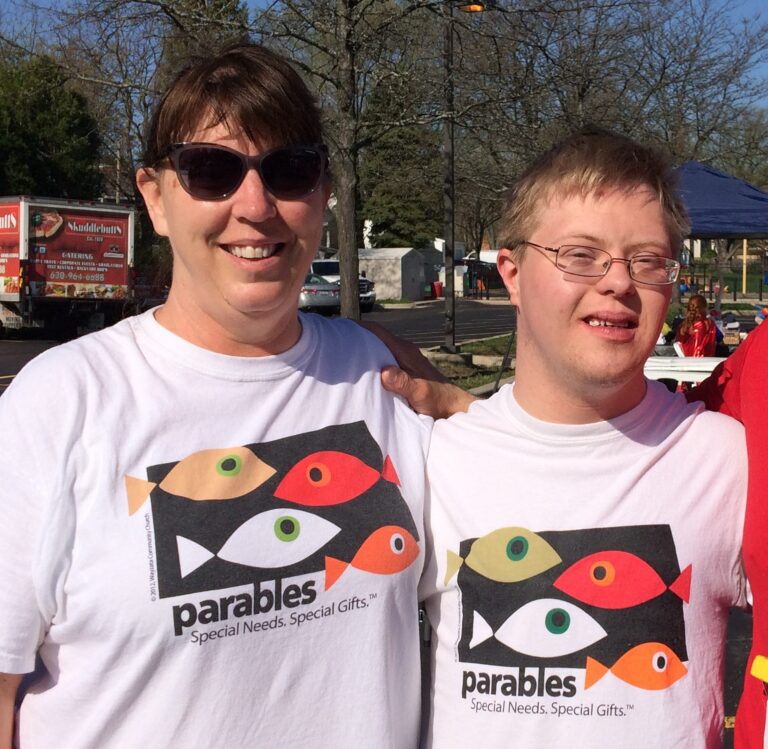
In May 1996 a baby boy was born into our family. Jonah was pink, strawberry blonde, and he had Down syndrome. We were immediately transported into a new reality.
This fall we welcome Jeanne Davies as the new Program Resources Manager for Anabaptist Disabilities Network.
It isn’t easy in the slightest to go to a funeral for someone you knew well and cherished, so why would one ever go to a funeral for someone they never even met?
Debbie Eisenbise shares resources for families on the topic of aging.
As Anabaptist Disabilities Network reaches its 15th anniversary, I’m gratified by the accomplishments of my co-laborers and predecessors; more church congregations consider accessibility and inclusion to be a part of their regular ministry.
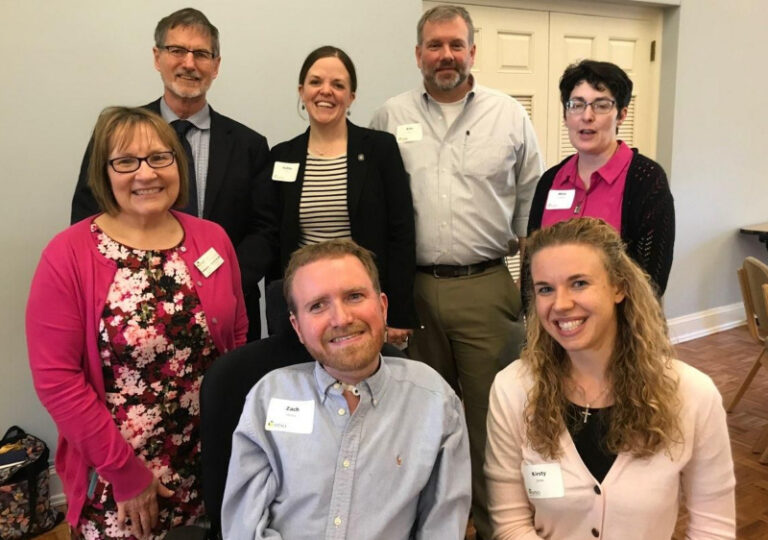
This past Spring, I worked with Bill Gaventa, a leading voice in disability theology and justice, to craft a conference about disability, theology, and faith communities.
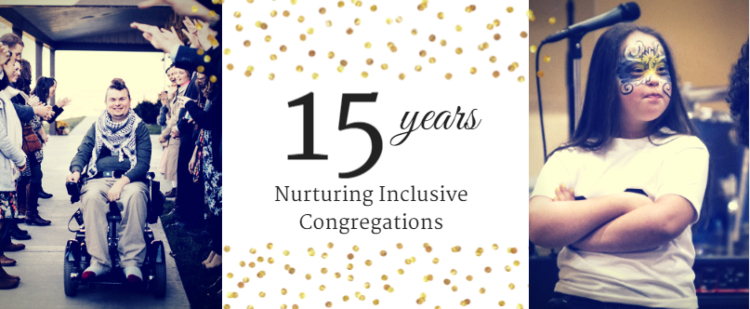
In May, Anabaptist Disabilities Network (ADN) celebrated fifteen years of helping congregations “catch the vision” of barrier-free worship, programs, leadership, and community life for everyone, regardless of their abilities.
May is Mental Health Awareness Month. A good time to beg the question…. Are our pew-mates who experience persistent darkness finding support here?
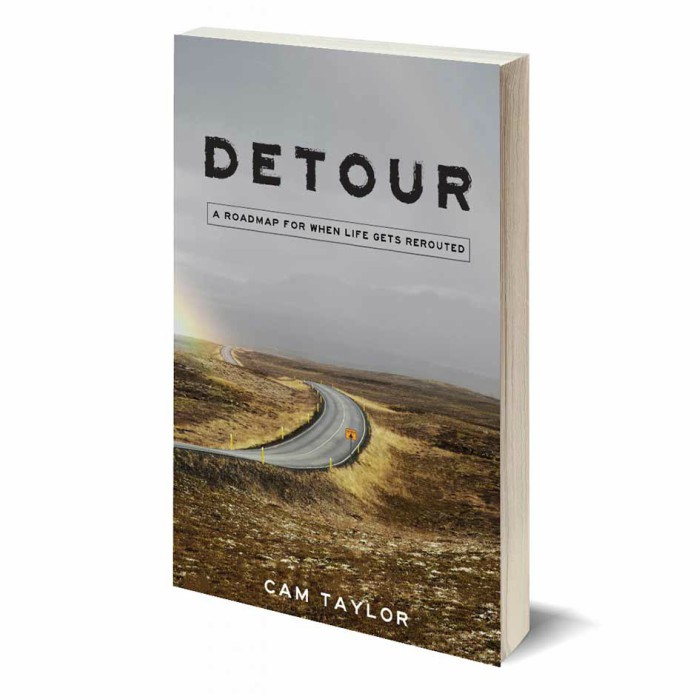
Cam Taylor’s story is a personal journey with the health struggles, emotional impact, and sense of loss that he and his wife, Vicky, faced after they were involved in a traumatic motorcycle accident.